







Introduction:At the source of the coffee industry chain, estates and cooperatives are two primary forms of cultivation. The former refers to large-scale farms operated privately, while the latter involves smallholder farmers collaborating collectively. These two models differ fundamentally in terms of resource utilization, decision-making, risk assumption, and market participation. A deeper understanding of their operational logic can help both consumers and industry professionals better grasp the complexities behind coffee production, and thus appreciate the uniqueness of each cup of coffee.
At the very forefront of the coffee supply chain, production is primarily carried out through two forms: coffee estates and coffee cooperatives. These models can be found in major producing regions around the world, especially in Central and South America, Africa, and Southeast Asia. They not only influence the quality and flavor of coffee but also directly relate to farmers' income and sustainable development. Understanding their differences helps us gain a more comprehensive view of the origins of every cup of coffee.
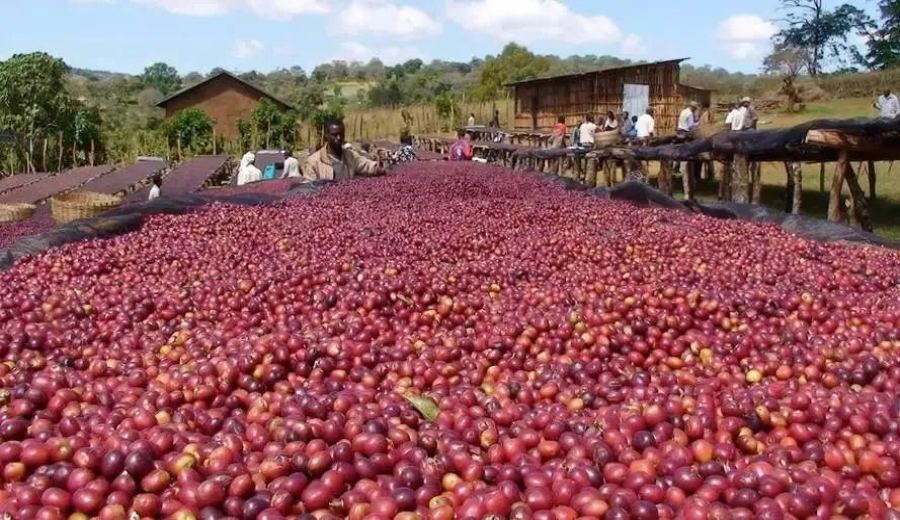
A cooperative is a collaborative model formed by numerous smallholder farmers. Generally speaking, individual farmers, due to limited land, insufficient funds, or lack of equipment, find it difficult to independently complete the entire process from planting to selling. As a result, they choose to unite, jointly invest in establishing processing facilities such as wet mills or drying stations, and share equipment and human resources.
Farmers deliver their harvested coffee cherries to the cooperative for centralized processing. The cooperative then uniformly handles grading, processing, and drying, eventually selling the coffee under the cooperative’s name. After deducting necessary expenses, the sales revenue is distributed among farmers based on the quantity or quality of coffee they contributed. This approach enables farmers to enhance their bargaining power and expand market access through collective strength.
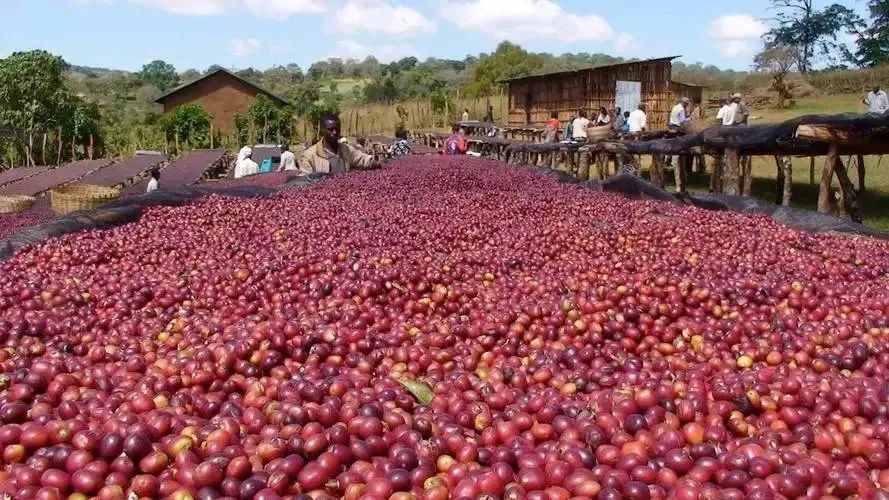
However, cooperatives also have their limitations. Although the coffee still belongs to individual farmers, decisions regarding processing methods and sales strategies are mostly made by the cooperative's management or board. Individual farmers often do not have full autonomy over how their coffee is processed—for example, whether to use washed, honey, or natural methods. Additionally, pricing is not something individual farmers can control.
In contrast, a coffee estate is a privately owned farm managed by a single operator or family, typically covering a larger area with a more comprehensive production scale. The estate owner has full control over the entire process—from planting and harvesting to processing and selling. Establishing a coffee estate usually requires significant capital investment for processing equipment, irrigation systems, land management tools, as well as ensuring adequate labor and technical support.
Many coffee-producing countries have regulations and registration requirements for estate operations, such as minimum planted area, number of coffee plants, or annual minimum yield. These thresholds ensure that estates maintain a certain level of production scale and professionalism, but they also raise the barriers to entry.

Nowadays, more and more estates are being taken over by second or third-generation family members, who often have higher education levels and international perspectives. They are able to introduce advanced planting and processing techniques, such as anaerobic fermentation, precision agriculture, or shaded cultivation. These innovations not only help improve coffee quality but also add value to the products.
Furthermore, estate owners can directly communicate with international buyers, roasters, or green coffee traders, responding quickly to market demands, flexibly adjusting product strategies, and even setting their own prices. However, this model also means that estate owners must bear all operational risks alone—including climate change, market fluctuations, rising labor costs, and international trade policies—without the shared pressure of cooperative members.
In summary, cooperatives are suitable for smallholder farmers with limited resources, enabling them to enhance efficiency and market competitiveness through collective collaboration; whereas estates are suited for operators with the capital, technology, and management capabilities to pursue higher quality control and brand value. Both models have their pros and cons and reflect the social, economic, and geographical conditions of different producing regions.
Whether you choose to support the diverse flavors of coffee from cooperatives or select estate beans with clear origin traceability, understanding these underlying operational models allows us to approach each cup of coffee with greater understanding and respect for the producers.
The above content is compiled by CoffeeHunters, a coffee news website.


