








Introduction:Since its establishment last year, Luckin Coffee has rapidly expanded overseas within just one year. Its first foray into the Japanese market has garnered significant attention from both the industry and consumers. With a low-price strategy, drink prices during the opening period were set between 100 and 300 yen, far below the market average, sparking a wave of check-ins. However, once promotions end, prices will be adjusted back to 500 to 650 yen, aligning with brands like Starbucks. What strategies has Luckin employed to establish itself in Japan’s highly competitive coffee market? This article will analyze its regional partner model, the Coffee Dreamers Program, and the market challenges it faces.
In August this year, Luckin Coffee officially announced its global expansion strategy, initially targeting multiple overseas markets including South Korea, Indonesia, Canada, and Japan. Among them, the Japanese market was the first to launch at the end of August, with two physical stores opening near the University of Tokyo and in Nishi-Ikebukuro, showcasing clear market ambitions.
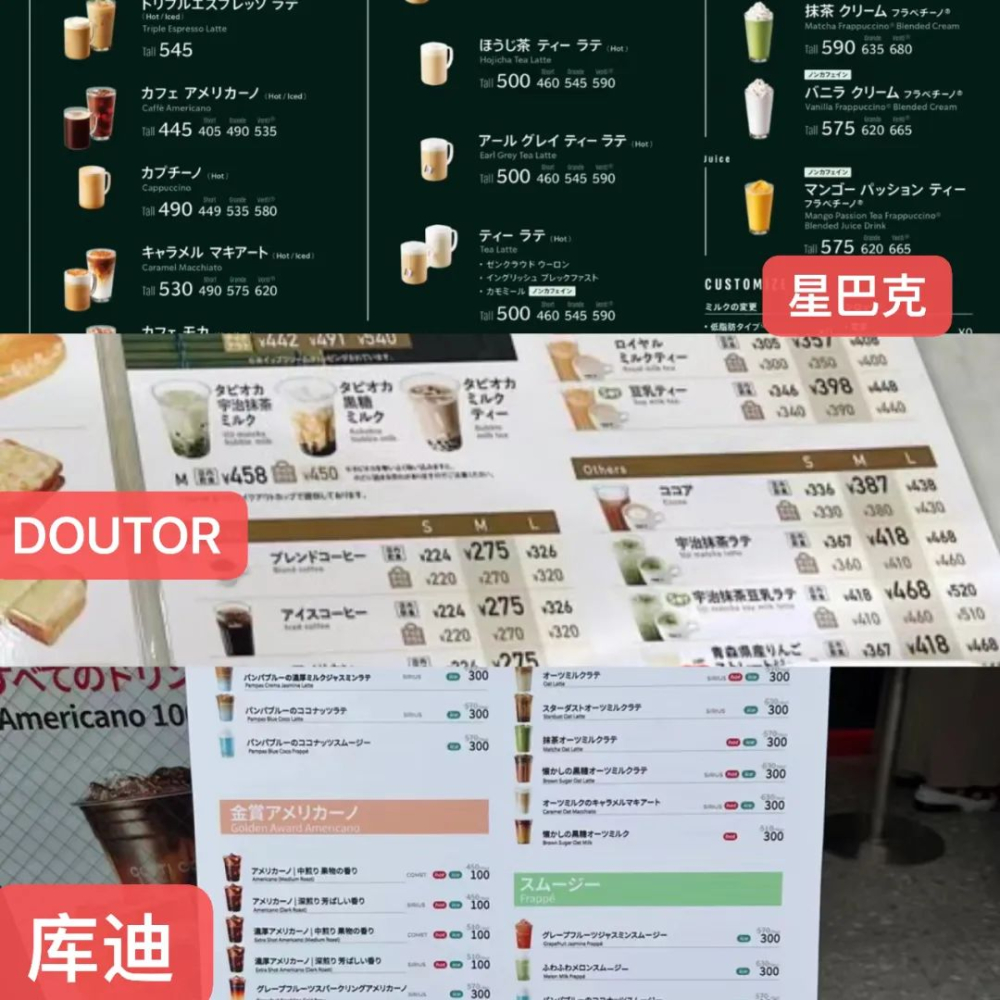
According to the current store promotion plan, drink prices during the opening period range between 100 and 300 yen, approximately 5 to 15 RMB, which is extremely rare in the Japanese market. This quickly attracted a large number of consumers to try the drinks and share their experiences on social platforms. However, this promotion is not a long-term measure, and after the campaign ends, prices will be adjusted back to 500 to 650 yen, directly competing with mainstream local brands such as Starbucks (390 to 700 yen per cup) and DOUTOR (270 to 520 yen per cup).
It is worth noting that the Japanese coffee market is not only highly competitive in terms of pricing, but the overall market environment is also very mature. There are approximately 70,000 coffee shops nationwide, and nearly two out of every three Japanese people have the habit of drinking coffee daily, indicating that while market demand is large, there are many competitors, making it difficult for new entrants to stand out.
In fact, Luckin Coffee has only been established for about a year, but it has developed rapidly in the domestic market, with the number of stores exceeding 5,000. The decision to enter a country like Japan, which has a deep coffee culture and high market barriers, raises questions about the strategy behind it. In addition to targeting local coffee consumption habits, it also aims to quickly build brand exposure and a consumer base through low-price promotions.
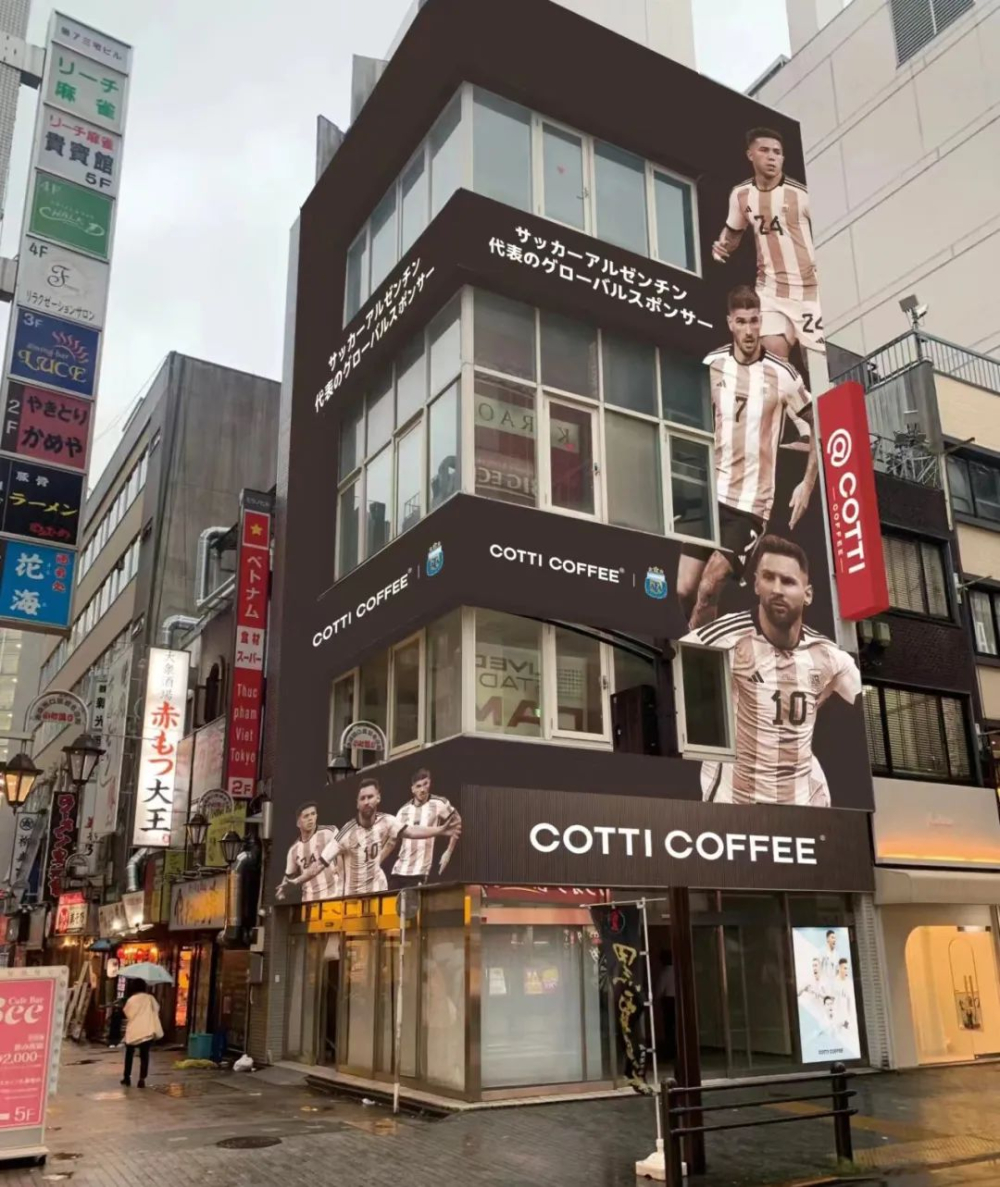
Luckin Coffee’s international expansion adopts a variety of cooperation models, including company-owned stores, joint ventures, and the regional partner program. Among them, the “Coffee Dreamers Program” is one of its key strategies. This program aims to help global small and medium-sized entrepreneurs realize their dream of owning a coffee shop, with Luckin providing branding, technology, and operational support to lower the barriers to entry. The company’s chairman and CEO, Qian Zhiya, has publicly stated that she hopes to make “there no longer be any difficulty in opening a coffee shop” through this program, further promoting the brand’s establishment and expansion in global markets.
From a regional strategy perspective, Luckin targets markets across Southeast Asia, East Asia, North America, Europe, and the Middle East, adjusting cooperation models according to local market characteristics. Especially in Asia, in addition to Japan, Seoul, South Korea also opened the brand’s first overseas store on August 8, demonstrating the brand’s high regard for the Asian consumer market. In addition, Luckin is actively recruiting regional partners in various locations, hoping to accelerate store expansion by leveraging the resources and networks of local partners.
However, the challenges Luckin Coffee faces cannot be ignored. In addition to needing to adapt to the tastes and drinking habits of consumers in different countries, maintaining customer loyalty after price adjustments and competing with well-established local chain brands under conditions of relatively low brand recognition are all issues that must be overcome during its expansion.
Overall, Luckin Coffee has quickly entered the Japanese market with a low-price strategy and is seeking rapid expansion through the regional partner model and entrepreneur program. However, whether it can stabilize its position in the fiercely competitive international market remains to be seen over time.
The above content is compiled by CoffeeHunters, a coffee news website.


