








Introduction:Have you noticed that more and more baristas nowadays have unique tattoos? From chain brands to independent coffee shops, this phenomenon seems to be becoming a trend. Is it a shift in industry culture or a need for personal expression? This article explores the evolution of Starbucks’ tattoo policy and delves into the relationship between tattoos and baristas' professional identity. It also shares how to assess a barista’s ability through professionalism and coffee quality, helping readers develop a more comprehensive perspective.
Walking into modern cafés, whether chain brands or independent shops, we increasingly see baristas in aprons with tattoos on their hands or arms. Such an image might have once been surprising or even questioned in terms of professional appropriateness. However, as social attitudes gradually become more open, tattoos are no longer just a symbol of a subculture but are increasingly part of personal style and belief.
A netizen once raised a question on a social media platform: “Why do baristas nowadays all have tattoos?” This question sparked plenty of discussions about professional image and personal expression. In reality, tattoos are neither mandatory nor mainstream among baristas, but they do reflect some shifts in the culture of this industry—especially within international chains like Starbucks, where the gradual relaxation of policies has become an important window into observing this trend.
Looking back at Starbucks’ past regulations, prior to 2015, the brand had clear restrictions on employee tattoos, particularly disallowing larger ones from being visible outside of work attire. This policy was closely tied to public expectations of professional appearance at the time. However, as the market environment changed and the demand for employee diversity grew, Starbucks later adjusted its policy to allow employees to express their personal style to a certain extent, including displaying tattoos moderately, while still requiring an overall clean and professional appearance.
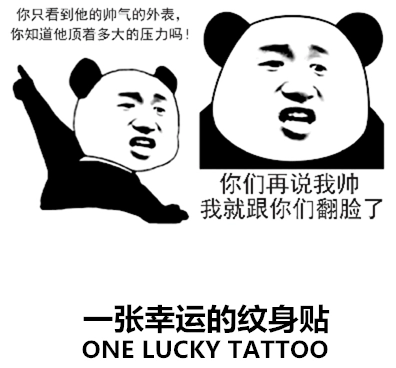
Tattoos are often misunderstood as being associated with negative imagery. This perception partly stems from past media portrayals—for example, gangster movies often link tattoos with criminal characters. Coupled with traditional values like “one should live a clean and upright life,” tattoos still carry a negative label for certain generations. However, for many baristas, tattoos are not just an aesthetic choice—they may symbolize their passion for coffee or even represent personal beliefs and attitudes toward life.
It’s undeniable that the barista profession remains relatively low-paying in many places. Those who persist in working on the front lines of coffee for the long term often have a deep love for coffee—the so-called "powered by passion." For them, tattoos may be a form of self-expression and an extension of their coffee faith.Tattoos are more than just patterns or words; they may represent a commitment to coffee culture and an affirmation of one’s identity.
Of course, we also understand that to this day, many consumers still hold biases against tattoos, which might even affect their judgment of a barista’s professional competence. But in truth, there is no direct correlation between tattoos and a barista’s professional skills. Whether a barista can brew a good cup of coffee depends on their understanding of coffee beans, extraction techniques, and flavor control—not their appearance or tattoo design. We should evaluate whether a barista is competent based on the quality of the coffee, the presentation of its flavors, and the professionalism of their service, rather than making judgments based solely on looks or tattoos.
It’s worth mentioning that getting a tattoo is a decision that requires careful consideration. Although modern tattoo technology is quite advanced, removing a tattoo later may still leave marks. Therefore, whether or not one works in the coffee industry, the decision to get a tattoo should be made thoughtfully, ensuring it aligns with one’s long-term values and life plans.
In summary, the connection between tattoos and baristas more reflects the evolution of industry culture and the space for personal expression. We should approach this phenomenon with a more open attitude while also reminding ourselves that evaluating a barista’s professional ability should focus on their technique, attitude, and the flavor presentation of the coffee—not their outward appearance. After all, the charm of a good cup of coffee comes from attention to detail and genuine passion—that’s the true standard for judging a barista.
The above content is compiled by CoffeeHunters, a coffee news website.


