







Introduction:An in-depth exploration of the three Geisha-growing regions at Panama’s Finca El Bosque (Emerald Estate)—Jaramillo, Canas Verdes, and El Velo—understanding the grading logic behind Red and Green labels, how microclimates of each plot influence flavor, along with practical pour over recommendations and brewing parameters to help you more accurately select and brew your ideal Geisha coffee.
Geisha coffee from Panama’s Emerald Estate has long been a top-tier gem in the specialty coffee world. Starting from the 2022 harvest, with the official commercial operation of Finca El Velo, the Peterson family also adjusted the Geisha grading system, and the Green Label (Private Collection) revealed its origin for the first time. This article will start from the regional plots, taking you through the three main plots under Emerald Estate: Jaramillo, Canas Verdes, and El Velo, highlighting their microclimate characteristics and sub-sections, while analyzing the selection criteria and flavor profiles of the Red Label (Esmeralda Special) and Green Label. It also includes hands-on pour over advice to teach you how to brew the best possible cup.
Emerald Estate currently has four main growing areas, three of which are dedicated to cultivating the Geisha variety: Jaramillo, Canas Verdes, and El Velo. These plots not only vary in altitude but also in climate conditions, resulting in the diverse expressions of Geisha flavors. Each major plot can be further divided into multiple micro-sections, some of which are key sources for both the Red and Green Labels.
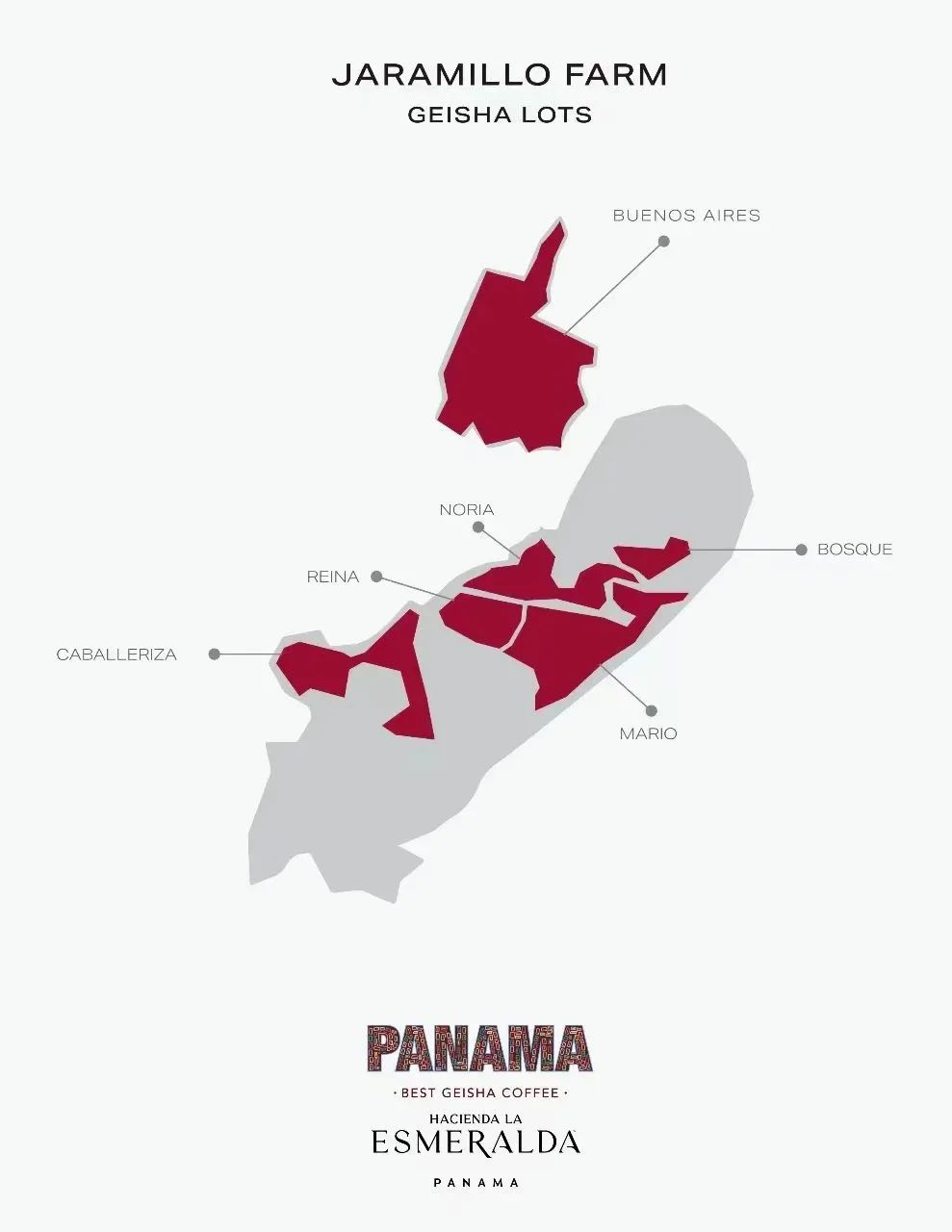
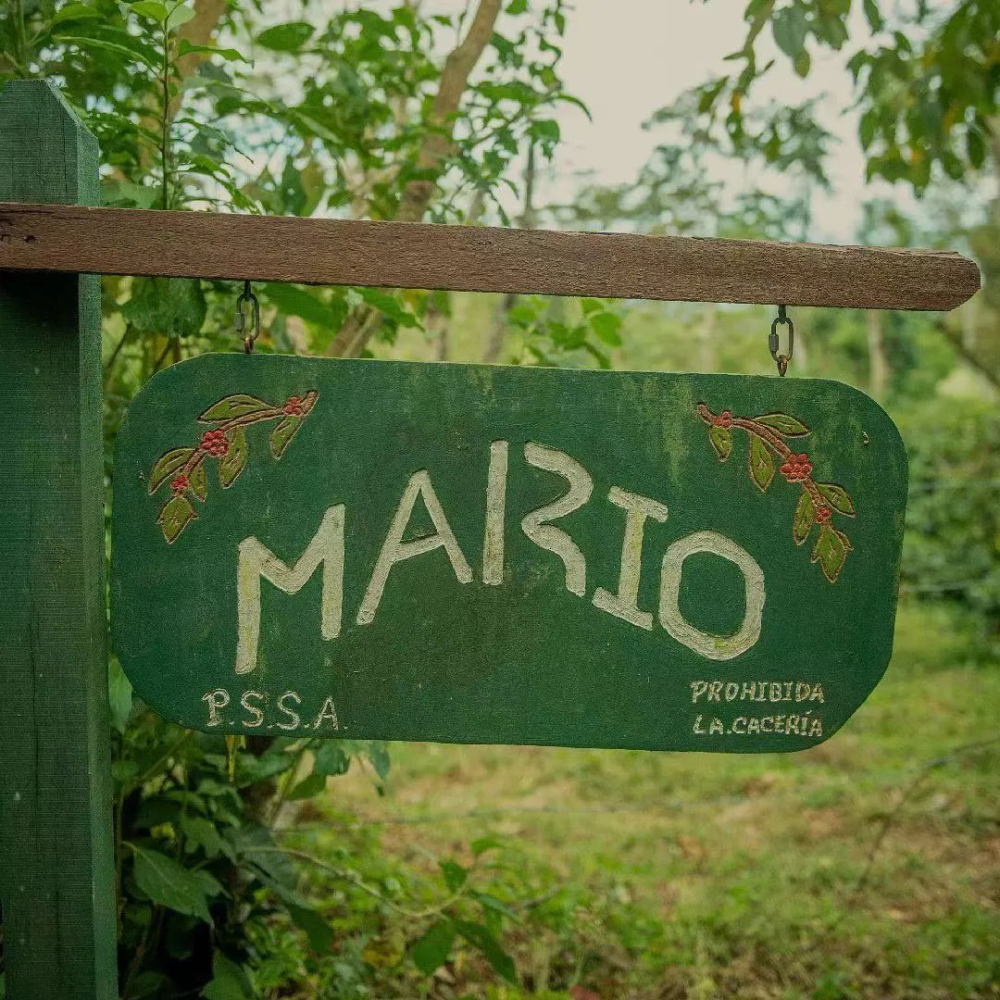
Jaramillo is the earliest plot acquired by the Peterson family and the place where the Geisha variety first appeared. With an average altitude of around 1,700 meters—not extremely high—but featuring steep slopes that increase harvesting difficulty. The area sees significant day-night temperature variation, averaging 19–25°C during the day and 11–15°C at night. Coupled with high altitude and ample shade, it helps Geisha express delicate floral notes and fruity tones.Jaramillo is currently divided into six small plots used for Red Label production, including Mario, Noria, Reina, Bosque, Buenos Aires, and the newly added Caballeriza in 2023, as well as one unreleased plot, Manantial.
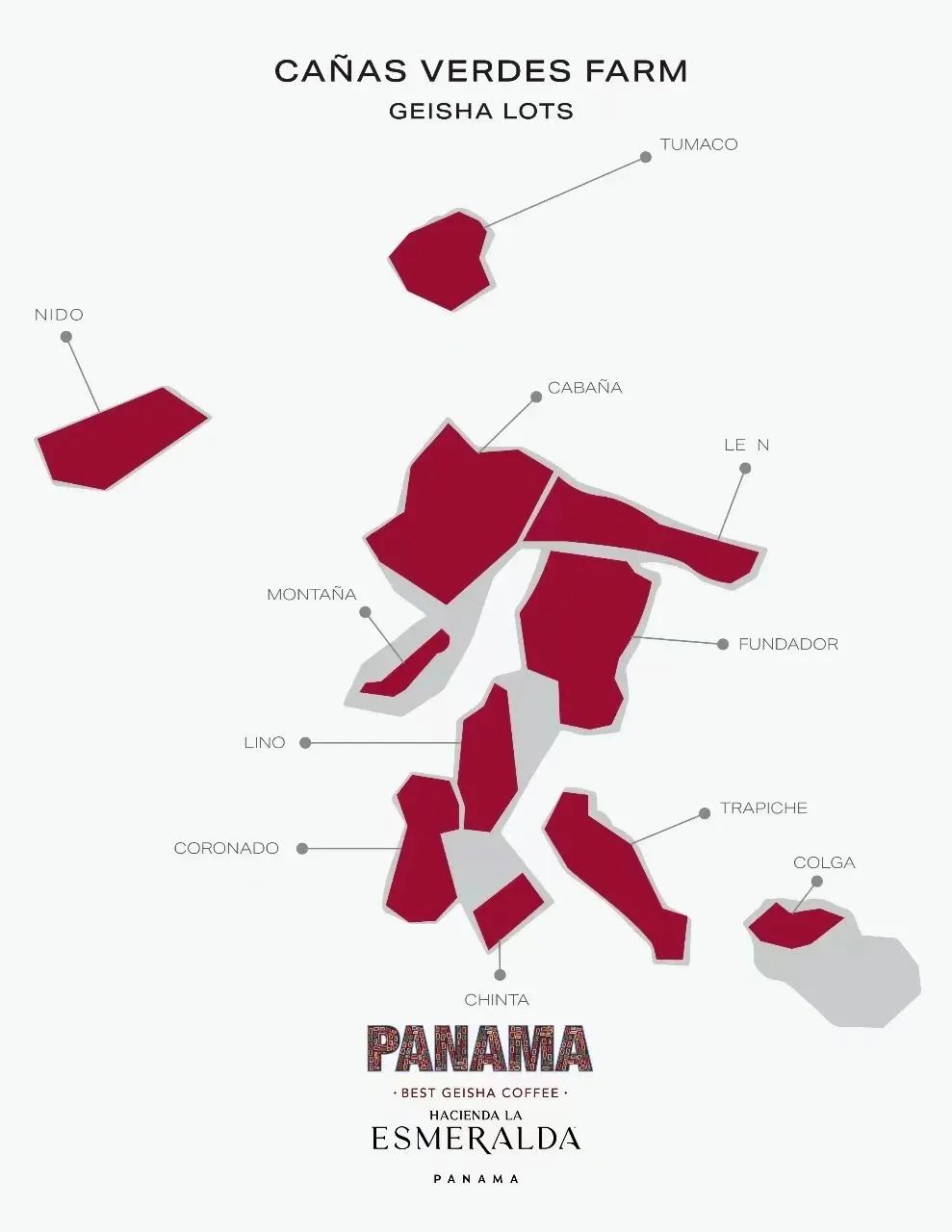
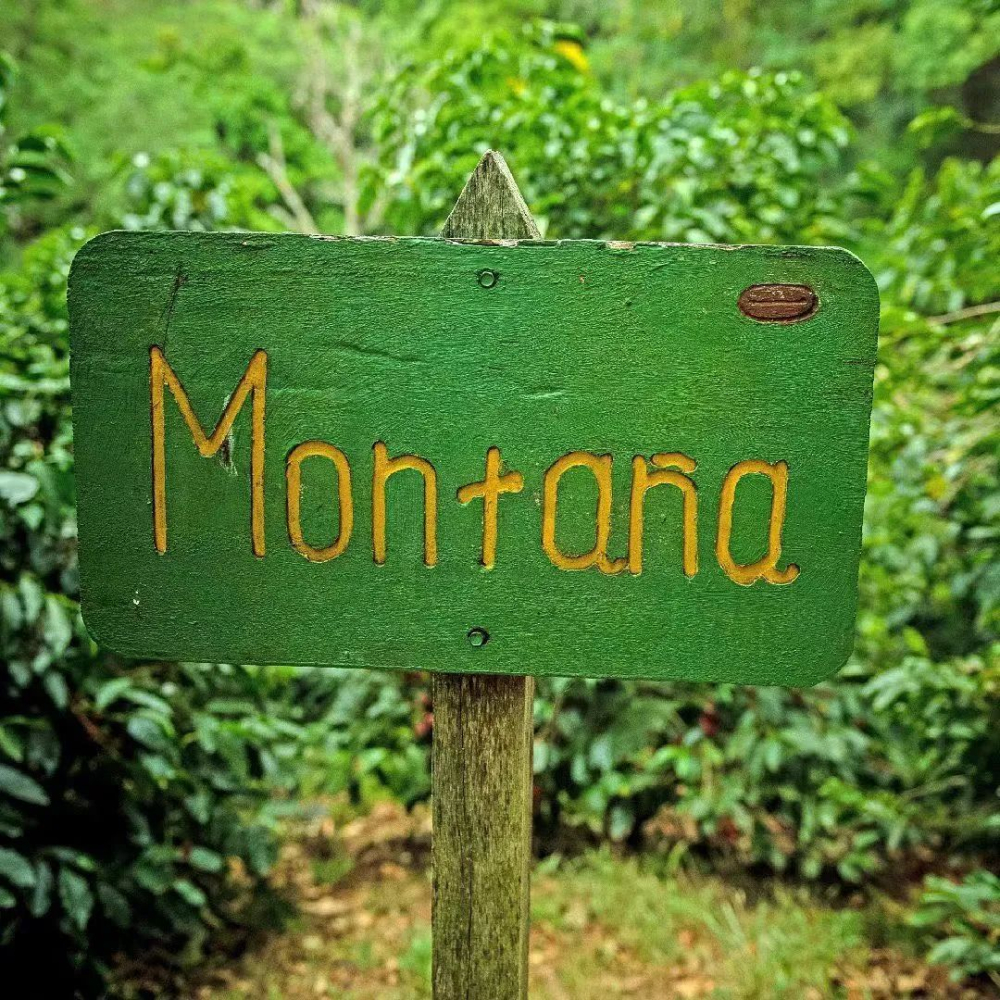
Canas Verdes, commonly romanized in Taiwan as “Canas Verdes,” means “green reeds” or “green fields” in Spanish. The terrain here is varied, serving as a prime example of Geisha’s adaptability. Part of the land was acquired as early as 1967, with the rest gradually expanded after the Geisha boom in 2004. Altitudes here range between 1,500 and 2,050 meters, the largest elevation span among the three main plots, hence fostering Geisha with diverse flavor expressions.With an annual rainfall of about 3,500 mm and day-night temperatures ranging between 16–23°C (day) and 10–15°C (night), plus nourishment from volcanic soil, Geisha here exhibits rich tropical fruit aromas and complex layers.This area currently has 11 small Geisha plots, including Lino, Coronado, Fundador, León, Montaña, Trapiche, Jacinta, Cabaña, Tumaco, Nido, and Colga.
Finca El Velo is the newest plot acquired by Emerald Estate in 2012 and is currently the highest-altitude Geisha-growing area, ranging from 1,650 to 1,900 meters. Not only is the terrain relatively flat, but management is also more meticulous. It also serves as an important site for variety trials within the estate, cultivating over 400 coffee varieties from CATIE, such as Laurina, Pacamara, Mocha, and SL28.The annual rainfall here is also as high as 4,000 mm, with day-night temperature differences of about 16–25°C (day) and 11–16°C (night). These climatic conditions are extremely conducive to developing Geisha’s delicate aromas and rich mouthfeel.Currently, there are seven small Geisha plots in the El Velo area, namely Guabo, Portón, Durazno, Mural, Higo, Buena Vista, and Guila.
Additionally, although the Palmira farm mainly grows Catuai (covering about 30 hectares), it also serves as the administrative and green coffee processing center for Emerald Estate, playing an indispensable logistical role.
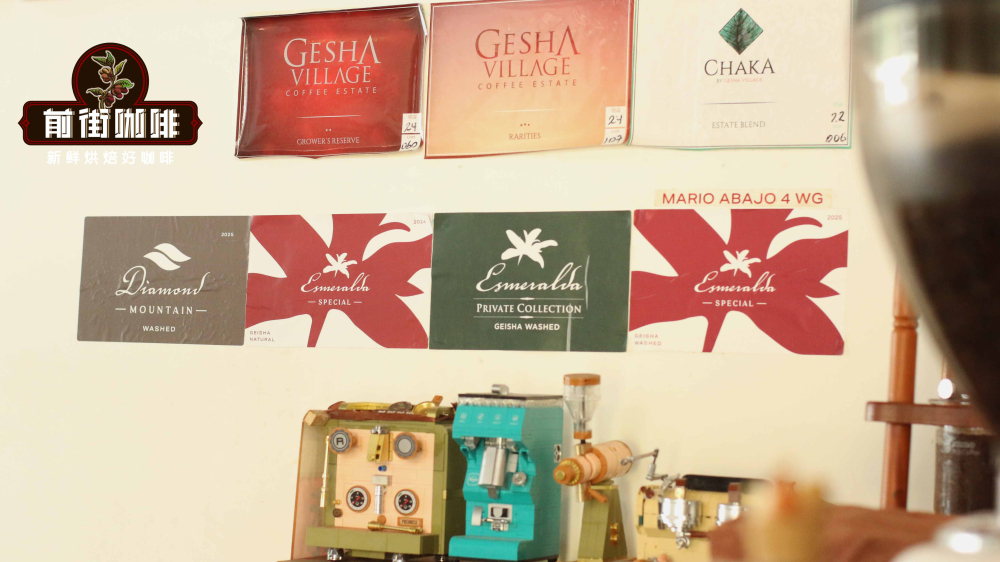
Within Emerald Estate’s Geisha grading system, the most representative are the Red Label (Esmeralda Special) and the Green Label (Private Collection). The Red Label represents Emerald’s special selections—that is, the top-tier representatives beyond the commonly known high-bid auction lots.These Geishas are grown at altitudes between 1,600 and 1,800 meters, must score 91 points or above in cupping, and each batch comes with detailed origin information, including plot name, altitude, temperature difference, latitude and longitude, tree age, harvest time and frequency, processing method, and total yield.For example, a Red Label Geisha from the “Trapiche” plot in Canas Verdes, harvested on February 13, 2024, being the 7th harvest, processed using the natural (sun-dried) method and slowly dried over 25 days, exhibits captivating aromas of jasmine, cranberry, passionfruit, citrus, and cinnamon.
The Green Label (Private Collection) refers to non-auctioned but still high-quality Geisha batches, mainly consisting of blends from the three major regions—Jaramillo, Canas Verdes, and El Velo—at similar altitudes of 1,600–1,800 meters. Starting from 2022, the Green Label also began indicating origin sources, making it easier for consumers to understand the flavor background.Green Label from Jaramillo often features pronounced jasmine and rose aromas; Canas Verdes leans toward tropical fruit notes; whereas El Velo is known for its lemongrass and fresh floral characteristics.
If you’ve acquired a Red Label Geisha, here is a set of tried-and-true pour over parameters that help bring out its delicate and fascinating layers:
- Filter: V60
- Water temperature: 92°C
- Coffee dose: 15 grams
- Coffee-to-water ratio: 1:16
- Grind size: Fine sugar-like (recommended to use a #20 sieve to achieve about 80% extraction)
In terms of brewing steps: First, wet the filter paper and fit it to the V60, discard the excess water, then add the coffee grounds. Gently tap to level the coffee bed. The first pour is 30 grams of water for a 30-second bloom; then the second pour is a circular pour up to 125 grams; finally, when the water level drops by half, pour the remaining water up to 240 grams. The total brew time is recommended to be around 2 minutes.
The brewed Red Label Geisha, upon tasting, delivers clear notes of citrus, jasmine, and tropical fruit acidity. As it cools, layers gradually unfold, with a finish that offers delicate floral tea notes and a mild sweet aftertaste—perfect for slow savoring.
The above content is compiled by CoffeeHunters, a coffee news website.


