








Introduction:Vienna coffee is a classic beverage that perfectly blends strong coffee with smooth cream. Originating from the ingenious combination created by carriage drivers during the Austro-Hungarian Empire era to keep warm and refreshed, this article will delve into its historical background and guide you step-by-step in making both the most representative original version and the popular modern latte cream version, allowing you to enjoy the rich flavors and layers created by the interplay of coffee and cream in the comfort of your home.
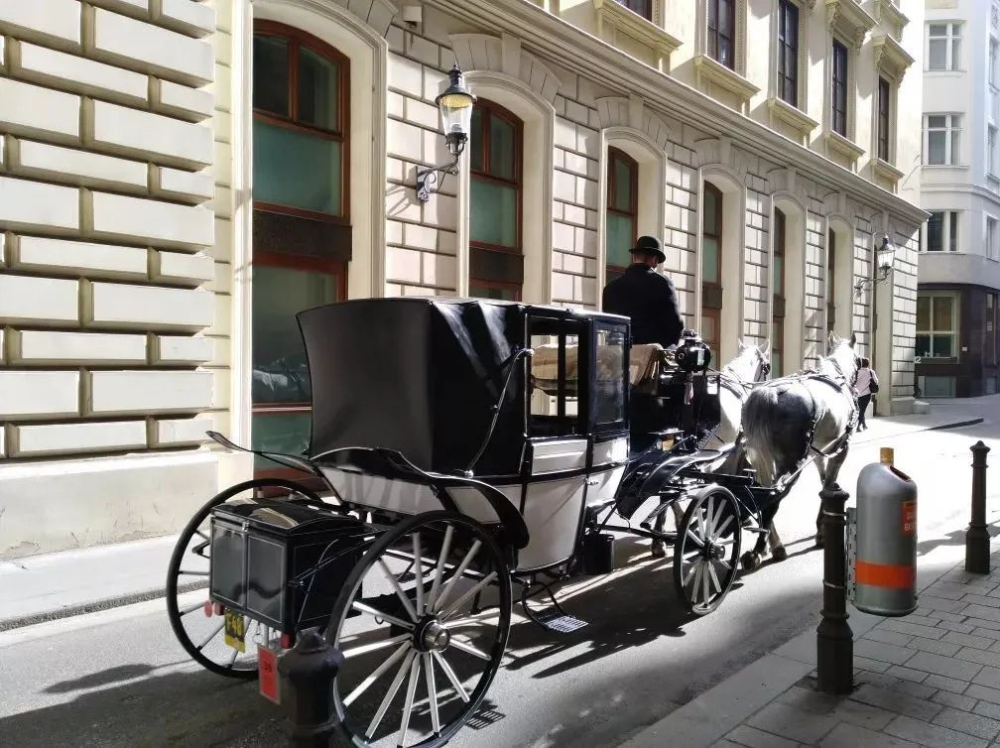
Vienna coffee is one of the representative drinks of Austria’s capital, Vienna. On the menus of local cafés, you’re more likely to see it referred to as “carriage driver’s coffee.” This endearing name hides a heartwarming story related to the street carriage drivers of the Austro-Hungarian Empire era. It is said that during long and cold winter nights, to maintain energy, resist the chill, and stay alert, a carriage driver combined strong black coffee, sugar, and cream to create this classic drink that warms the body and invigorates the mind.

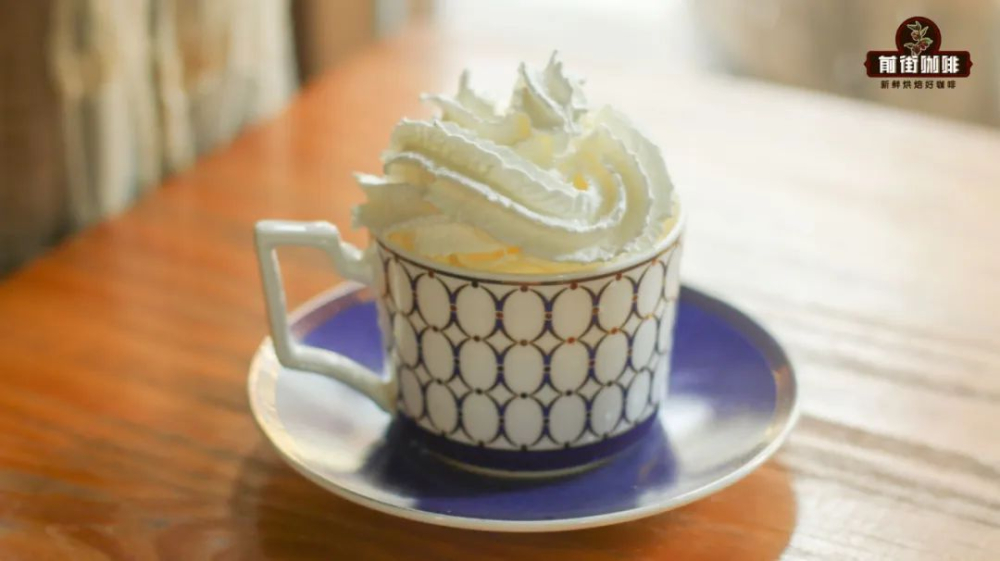
What makes Vienna coffee special is its bold use of a generous layer of cream on top of the coffee, creating a double surprise in both visual appeal and taste. This method not only preserves the richness of the coffee but also adds another layer of smooth experience through the creamy aroma and velvety texture of the cream. Today, Vienna coffee has evolved into various versions, among which the most popular is the simplified method using a modern latte as the base, topped with whipped cream, making it easy for anyone to recreate this Austrian flair at home.

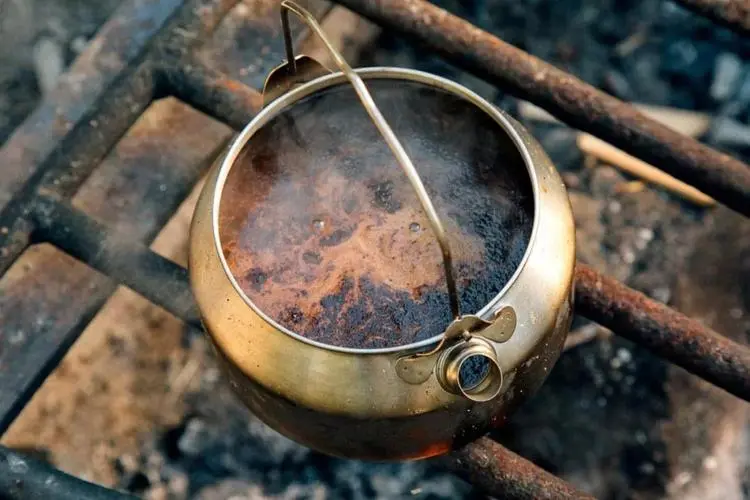
The earliest prototype of Vienna coffee actually originated from the era of the Austro-Hungarian Empire when Italian coffee machines were not yet widespread. At that time, people mostly ground coffee beans by hand and extracted coffee by boiling it in pots. This technique often resulted in a stronger, even slightly bitter flavor. Due to the generally low quality of coffee and high extraction efficiency, adding sugar and cream was necessary to balance the taste. The cream not only reduced the bitterness of the coffee but also provided additional calories to help carriage drivers maintain their stamina in the harsh cold. In addition, to prevent the coffee from becoming bitter again after the cream was consumed, the original creator also deliberately added white sugar at the bottom of the cup to ensure the entire drink maintained a balanced sweetness from start to finish.
When it comes to Vienna coffee, it is often confused with con panna, but in fact, the two have clear differences in form and origin. Con panna typically refers to a minimalist version where fresh cream is simply added on top of an espresso, whereas Vienna coffee developed a more distinctive style of cream coverage over time, with some versions even sprinkling chocolate powder or caramel crumbs on the surface to add flavor layers.
Next, we’ll guide you in making two classic versions of Vienna coffee: the original-style “carriage driver’s coffee” and the more commonly consumed modern “latte cream version.” When preparing, in addition to the basic espresso ingredients, don’t forget to prepare whipped light cream, which is key to shaping the unique texture of Vienna coffee.
[Original Version Vienna Coffee Preparation]
First, prepare a tall glass. Place about 10 grams of white sugar at the bottom of the glass as a base. Then, use about 20 grams of coffee beans to extract 40 ml of espresso via pour over, moka pot, or espresso machine, and mix it with 80 ml of hot water at around 60°C. Pour the mixture into the glass. Finally, using a piping bag or spoon, gently drizzle a generous amount of whipped light cream on top of the coffee until the entire liquid surface is covered. For added visual and flavor layers, you can sprinkle a little chocolate powder or caramel crumbs on the cream.
[Modern Version Vienna Coffee: Latte Cream Style]
The modern version of Vienna coffee caters more to popular tastes, often using a latte as the base and garnished with fresh cream. First, place about 60 grams of ice cubes in a glass, pour in 120 ml of fresh milk, and replace the original white sugar with any flavored syrup (such as vanilla, caramel, or hazelnut) to ensure the syrup blends evenly with the milk. Then, extract 40 ml of espresso and slowly pour it over the milk. Finally, according to your preference, pipe a generous amount of fresh cream in the center of the drink until the cup is full, and you can also sprinkle chocolate powder or caramel crumbs to enhance the aroma.
If you prefer a hot drink, you can also make a hot latte version of Vienna coffee: use 40 ml of espresso, 10 ml of flavored syrup, and 160 ml of hot milk to make a non-art hot latte first. After it’s done, pipe a generous amount of fresh cream on top of the hot latte to enjoy a steaming cup of Vienna coffee with creamy richness. While drinking, you can gently stir to let the cream and coffee fully blend, experiencing a distinctly different richness and smoothness.
No matter which version you choose, Vienna coffee offers you the dual enjoyment of strong coffee and creamy aroma. Making it at home not only allows you to explore the charm of this classic drink more deeply but also lets you freely adjust the proportions to your personal taste, creating your own perfect Vienna coffee.
The above content is compiled by CoffeeHunters, a coffee news website.


