







Introduction:As the demand for naturally low-caffeine coffee rises, the AC1 variety—originating from Ethiopia—has garnered significant attention due to its exceptionally low caffeine content. This article introduces the background, botanical characteristics, research progress, and analyzes its commercial potential and challenges, offering you an in-depth look at the future trajectory of this unique coffee bean.
Naturally low-caffeine coffee has become increasingly common in recent years in both coffee shops and green bean auction markets. Varieties such as Laurina, Aramosa, and the Ethiopian AC1 have all drawn industry interest. Notably, AC1 contains only about 0.76 mg of caffeine per gram—far lower than the 8–12 mg/g found in typical Arabica varieties—thus classifying it as a naturally low-caffeine variety.
The seeds of AC1 originally come from Ethiopia, part of the region’s rich coffee genetic reservoir. About sixty years ago, the Food and Agriculture Organization of the United Nations (FAO) collected 621 Arabica seeds and distributed them to research institutions around the world, with some sent to the Tropical Agricultural Research and Higher Education Center (CATIE) in Costa Rica. It wasn’t until 1973 that experts from the Brazilian Agricultural Research Corporation (IAC) applied to FAO to introduce some of these seeds to the Santa Elisa Farm in the Campinas region of São Paulo State for cultivation research.
After years of cultivation and observation, around 1999, IAC researcher Maria Bernadete Silvarolla successfully identified three varieties with extremely low caffeine content from this germplasm collection, named AC1, AC2, and AC3. Among them, AC1 became the focus due to its unusually low caffeine level.
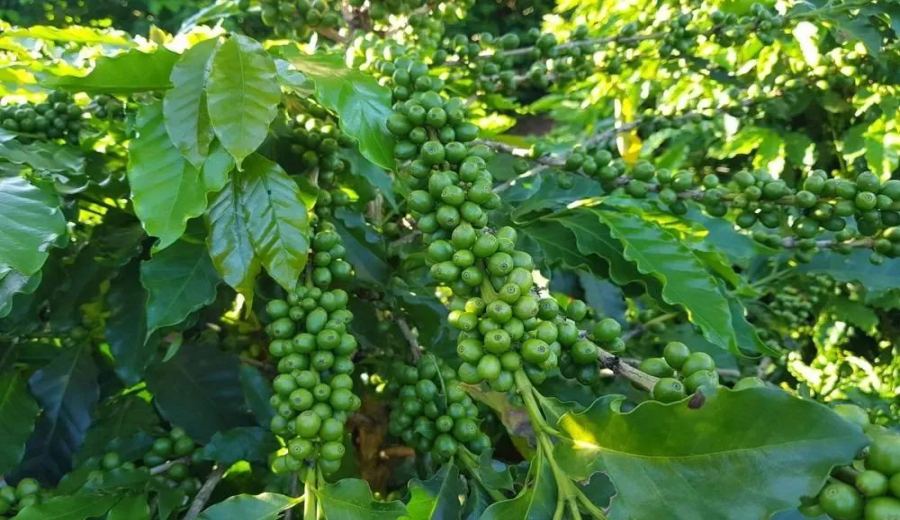
According to IAC researcher Julio Mistro, the AC1 plant exhibits distinct morphological traits compared to mainstream commercial varieties. It has a taller tree structure, relatively fewer lateral branches, and an overall more upright appearance, but yields are low. Additionally, while AC1 shows good resistance to leaf rust, it has poor tolerance to high temperatures and drought, limiting its potential for cultivation in tropical or arid regions.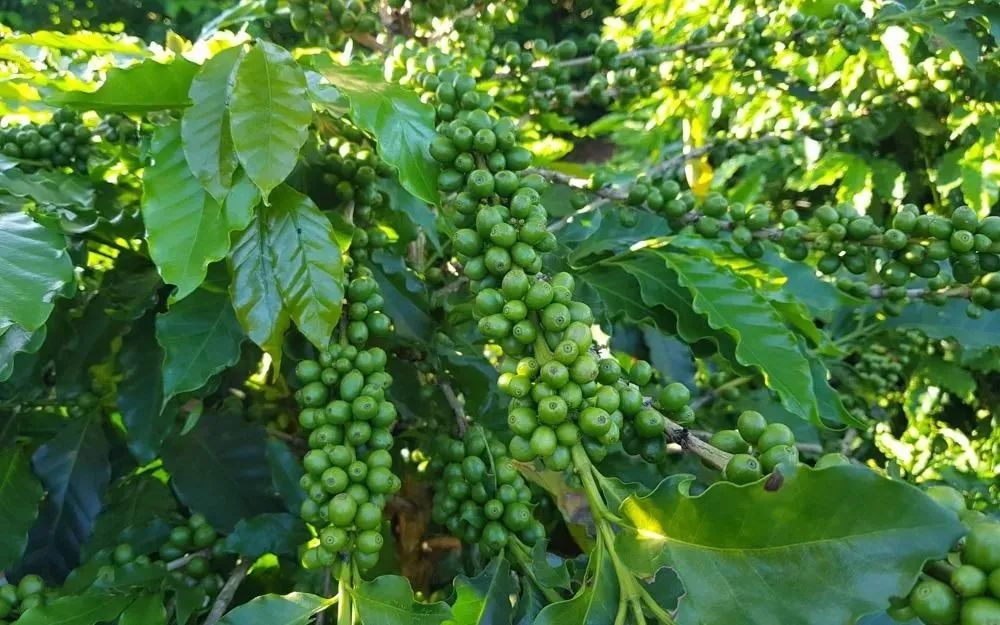
To better understand the characteristics of AC1, the IAC team published a research report in 2011 titled “Characteristics of AC1: A Naturally Low-Caffeine Coffee,” which provided a detailed comparison between AC1 and the common Brazilian variety ‘Mundo Novo’ (New World). Mundo Novo is a natural cross between Sumatra Typica and Bourbon, widely cultivated in Brazil since the 1940s, with a caffeine content of about 1% to 1.2%, already on the lower end of the scale.
The study analyzed multiple dimensions, including fruit development, sugar composition, organic acids, amino acids, and phenolic compounds. The results showed that although AC1 coffee cherries are smaller in size, they share many chemical similarities with Mundo Novo, indicating a certain foundation for flavor potential and adaptability. The study ultimately concluded that AC1 has the potential to become an important low-caffeine variety in the market.
However, naturally low-caffeine coffee currently remains a niche segment in the market, with less recognition and acceptance compared to artificially decaffeinated coffee that uses chemical solvents. Nevertheless, an increasing number of consumers—due to health concerns such as palpitations, insomnia, or aversion to chemical additives—are seeking natural low-caffeine alternatives. For these consumers, naturally low-caffeine varieties like AC1 offer a safer, additive-free solution.
There are still significant challenges to the large-scale production of AC1. IAC experts have clearly pointed out that due to its extremely low caffeine content, AC1 has reduced natural defenses, making it more susceptible to pests and diseases. As a result, it requires more frequent weeding, insecticide, and disease management. In addition, the variety also demands relatively higher inputs of fertilizer and water, significantly increasing overall cultivation costs, and even with optimal management, yields remain difficult to improve.
Julio further explains: “We do not recommend commercial cultivation of AC1 at this stage, as its requirements for environment and management are too stringent. Compared to mainstream Brazilian varieties, AC1 demands more refined cultivation techniques and inputs, yet offers limited returns.”
Despite this, research has not stopped. To combine AC1’s low-caffeine advantage with the high-yield traits of commercial varieties, IAC has conducted hybridization using stable, high-yielding varieties such as Catuai and Mundo Novo as either pollen donors or receptors to pollinate AC1. The goal is to develop new varieties with caffeine content between 0.03% and 0.1%, along with good yield and disease resistance.
These next-generation low-caffeine coffee varieties have now entered regional trial phases. It is expected to take another six to seven years before the most commercially viable options can be selected. If successful in the future, we may see more high-quality, naturally low-caffeine specialty coffee beans originating from Brazil entering the market.
The above content is compiled by CoffeeHunters, a coffee news website.


