







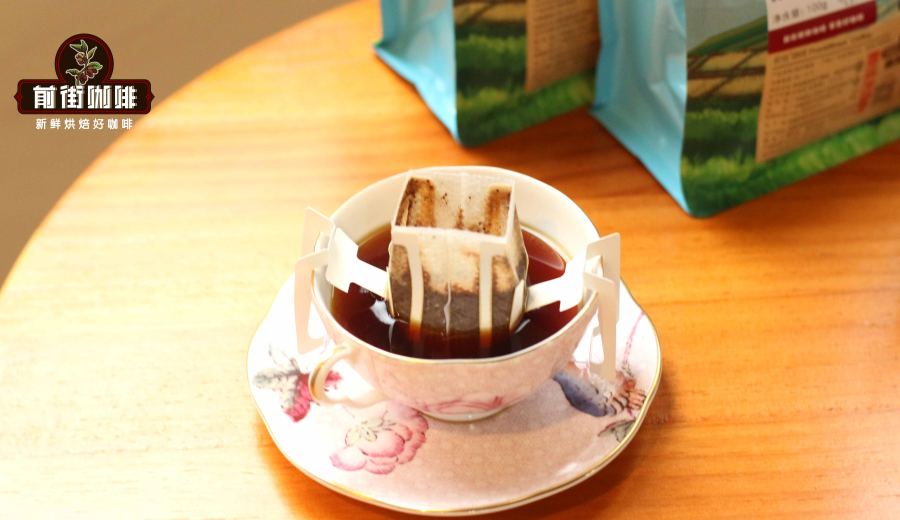
Introduction:When using drip coffee bags without professional equipment, it's common to encounter issues such as weak or overly bitter flavors. In fact, by paying attention to the cup's capacity and shape, and adjusting the water volume and temperature according to the common 1:15 coffee-to-water ratio, you can significantly improve extraction quality. This article will teach you how to find the most suitable brewing method based on your everyday cup, so that every drip bag produces a clean and balanced cup of coffee.
With the National Day holiday approaching, many coffee enthusiasts prepare drip coffee bags in advance, looking forward to easily enjoying a pour over-style black coffee during the break. The original design of drip coffee bags is to allow people to enjoy the rich taste of filtered coffee without the need for complicated equipment. However, if you simply grab any cup and pour hot water over it, not only might you overlook key parameters, but an inappropriate cup choice could also lead to uneven extraction—resulting in overly thin or bitter flavors.
To improve this situation, you don’t actually need expensive equipment. By simply observing the cup you usually use for brewing and considering both its capacity and shape, you can determine the appropriate pouring height and water temperature, thereby fine-tuning to achieve the right concentration and a well-balanced coffee flavor.
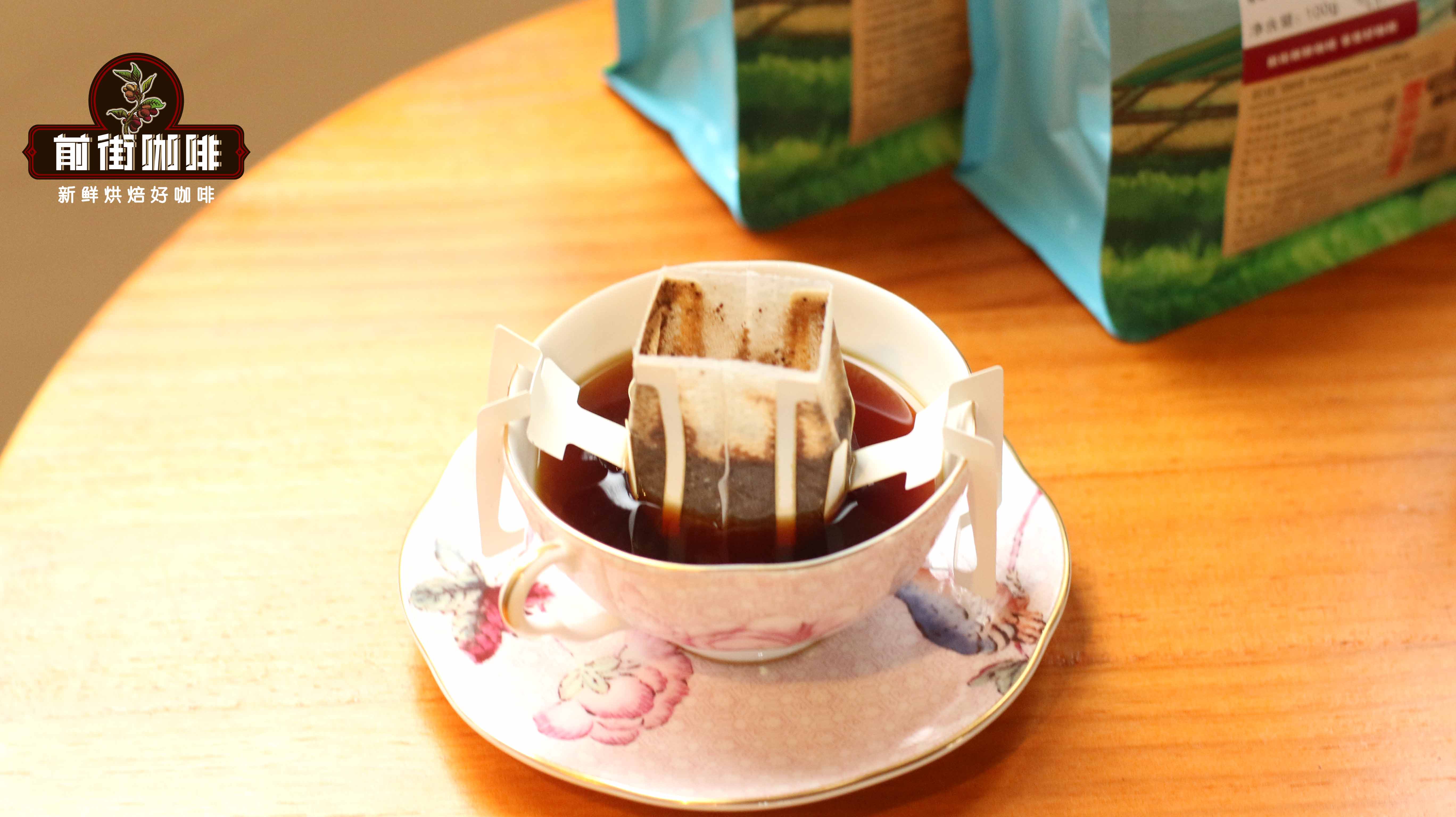
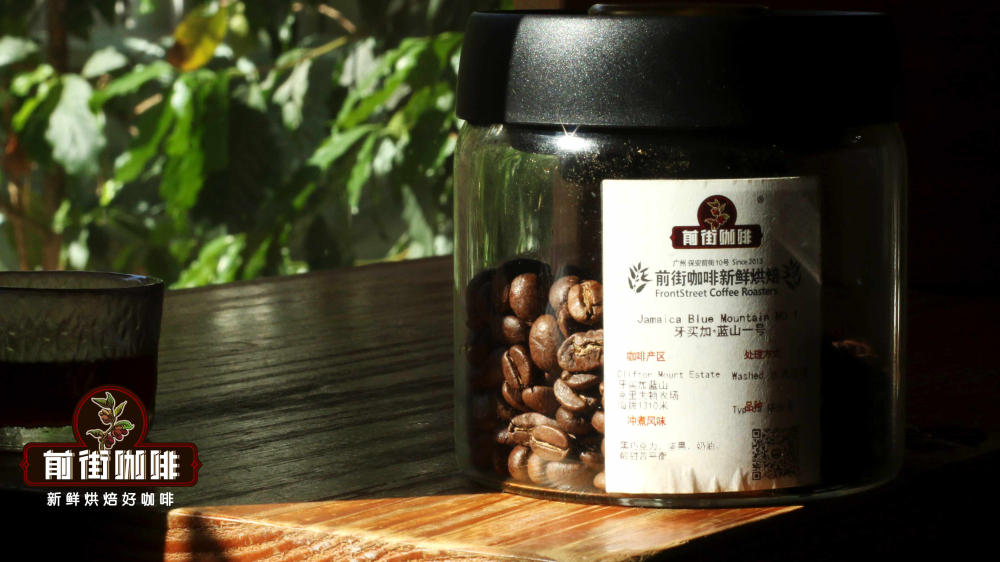
Common drip coffee bags mostly use Arabica beans, which can be divided into two main categories based on roast level: light roast and dark roast. Readers who prefer bright fruity and floral notes can prioritize drip bags with flavors like Yirgacheffe, Huakui, or Geisha; those who favor richer, more robust coffees with caramel and nutty aromas may find Mandheling, Blue Mountain No.1, or Brazilian seasonal beans more to their liking—these are generally better suited for those who are less tolerant of acidity.
However, many people at home often brew drip bags without using an electronic scale or temperature-controlled kettle, simply pouring hot water by feel and letting the drip bag steep in the cup. This approach can easily lead to two extremes: either too much water is poured, resulting in diluted, flat flavors; or the steeping time is too long, causing over-extraction that makes the coffee taste bitter and astringent, losing its intended aroma and subtle notes.
To avoid these issues, you can actually start by adjusting based on the cup you use most often. First, understand the total capacity of your cup in milliliters, then calculate the appropriate amount of water to pour in—and how high up the cup it should reach—according to the common 1:15 coffee-to-water ratio (e.g., 10 grams of coffee grounds to 150 milliliters of hot water).
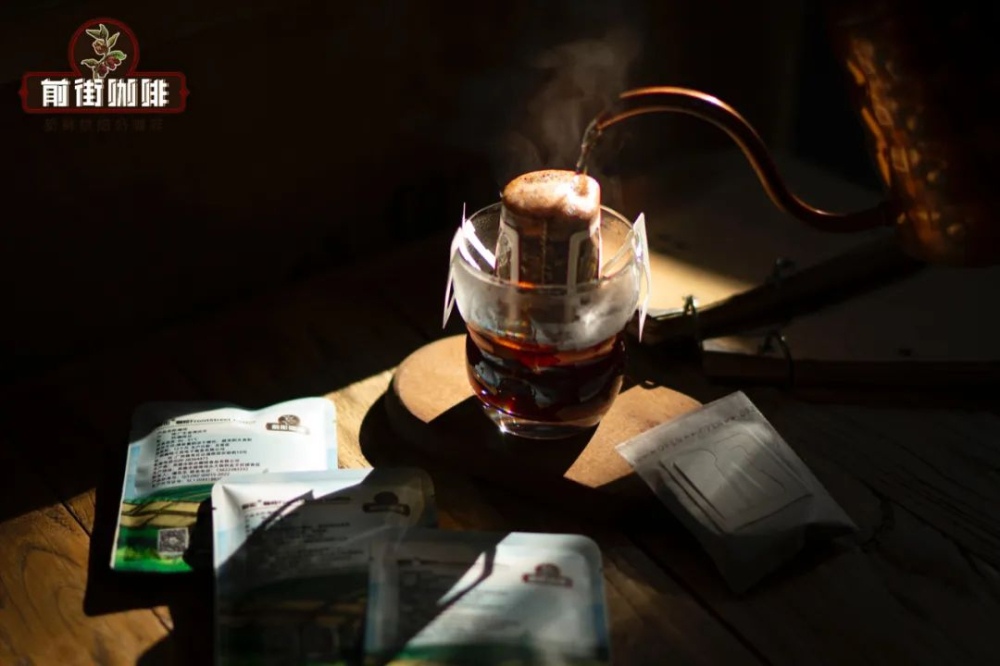
For example, if your usual cup has a total capacity of 400 milliliters, pouring hot water up to about one-third higher, roughly around 150 milliliters, would meet your target water volume. If your cup is 300 milliliters, filling it to about halfway will achieve a similar extraction volume. With such simple calculations, even without a measuring cup, you can roughly control the right amount of water and thus manage the coffee’s concentration and flavor expression.
In addition to cup capacity, the shape and height of the cup can also affect how the drip bag is steeped, thereby altering the extraction results. If you’re using a relatively short cup, the drip bag may directly touch the bottom. When hot water is poured in, the coffee grounds at the bottom can become overly concentrated, leading to over-extraction and resulting in noticeable bitterness and a rough mouthfeel.
In such cases, it’s recommended to slightly lower the water temperature to reduce extraction intensity. A practical way to do this is to boil the water, then leave the kettle uncovered to sit for about two minutes (approximately 120 seconds), after which the temperature typically drops to around 90°C. Brewing with water in this temperature range can preserve the coffee’s aroma and flavor while reducing the risk of over-extraction.It is suggested that when brewing with a short cup, the water temperature be controlled at around 88–90°C..
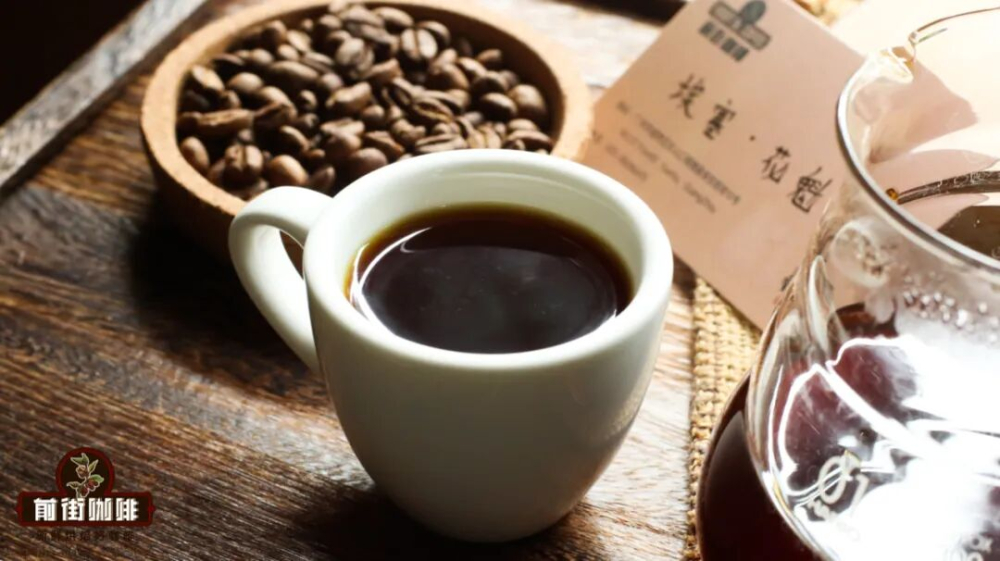
On the other hand, if you’re using a taller cup, even when pouring 150 milliliters of hot water, the water level might not reach the middle or lower parts of the drip bag. This can result in some of the coffee grounds not being fully saturated, leading to under-extraction—the coffee may taste weak and lack complexity. In this case, consider using a slightly higher water temperature, in the range of 92–94°C, which can help improve extraction efficiency and allow the coffee’s flavors to fully develop.
If you don’t have a professional gooseneck kettle at home, you can also creatively use small tools around you to assist in extraction. For example, using chopsticks, a spoon, or a toothpick to gently stir in a circular motion at the center of the drip bag while pouring water can help the coffee grounds absorb water evenly and enhance overall extraction balance. This simple action can noticeably improve flavor inconsistencies caused by uneven water flow, making the coffee taste smoother and more layered.
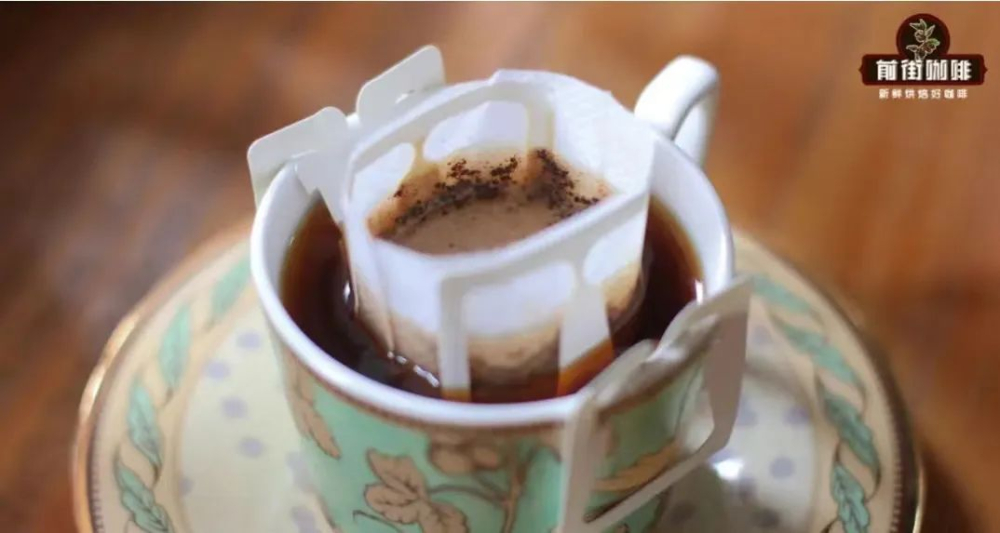
Overall, even without professional pour over equipment, by mastering a few basic principles—understanding your cup’s capacity and shape, adjusting water volume based on the 1:15 coffee-to-water ratio, tuning water temperature according to cup type, and adding simple stirring techniques—you can greatly improve the brewing quality of drip coffee, producing a black coffee with balanced flavors and a refreshing mouthfeel.
Next time you pick up a drip coffee bag, take a moment to observe the cup nearby. Start by considering its capacity and height, adjust your brewing strategy accordingly, and let each cup of coffee showcase its full detail and flavor charm.
The above content is compiled by CoffeeHunters, a coffee news website.


