








Introduction:The milk temperature setting for lattes has a significant impact on overall flavor performance, yet most consumers are unaware of the differences. This article compares lattes made at three different milk temperatures—40°C, 60°C, and 80°C—through practical testing, evaluating aroma, sweetness, milk foam texture, and overall balance in detail. It helps you understand why the industry commonly adopts around 60°C as the standard and provides practical advice so you can brew lattes at home that come closer to professional standards.
As temperatures drop, the demand for hot lattes rises. Many delivery coffees raise the milk temperature close to boiling point to ensure the drink remains warm when it reaches the customer, far exceeding the generally recommended 65°C. But does such an adjustment really enhance flavor? This article prepares lattes at three different milk temperatures—40°C, 60°C, and 80°C—and compares them from multiple perspectives to identify the optimal milk temperature setting, while analyzing why most coffee shops are reluctant to change the standard milk temperature.
First, let’s understand how different milk temperatures affect the milk itself. The lactose in milk gradually breaks down and releases sweet substances when heated to between 55°C and 65°C, which is why this temperature range is often considered the “sweetness golden zone.” What happens to sweetness beyond this range? And what different sensory experiences does a milk temperature below this range bring? We frothed milk at 40°C, 60°C, and 80°C in practice, using the same blend (a warm sun blend commonly used by a coffee shop, with 20g of coffee grounds yielding 40ml of espresso) and Bright Dairy fresh milk (210ml per cup) to make lattes, conducting a comprehensive comparison.
During the milk frothing process, experienced baristas can judge the stopping point by the feel in their palm, while beginners are advised to use a thermometer for more precise control.40°C Milk TemperatureStop when it feels slightly warm to the touch;60°C Milk TemperatureStop when you start to feel slightly hot; as for80°C Milk Temperature, since the milk begins to expand rapidly even without intentional frothing once it reaches around 70°C, it is recommended to stop immediately after about five seconds of expansion when it feels extremely hot, to avoid overheating.

Next, observe the pure milk drinking performance:40°C Milkhas a more subdued aroma but still has noticeable sweetness;60°C Milknot only has a clear aroma but also more pronounced sweetness; whereas80°C Milkhas a rich aroma when hot, but due to the excessively high temperature, it is not suitable for immediate drinking. After cooling, there is a decrease in sweetness and a slight milky off-flavor.

When the above three milk temperatures are used to make lattes, the flavor differences become even more obvious.40°C Lattehas a coarser milk foam, with relatively light aroma upon entry. Although some sweetness remains, the overall performance feels somewhat thin;60°C Latteshows the best balance—the milk foam is fine and dense, the flavors of coffee and milk complement each other without overpowering each other, and the sweetness is particularly outstanding;80°C Lattedue to the excessively high milk temperature, is not only scalding upon entry, but the milk foam and coffee liquid tend to separate. Even after cooling, the sweetness is still inferior to the 60°C version, and the bitterness is more pronounced, resulting in an overall unbalanced mouthfeel.
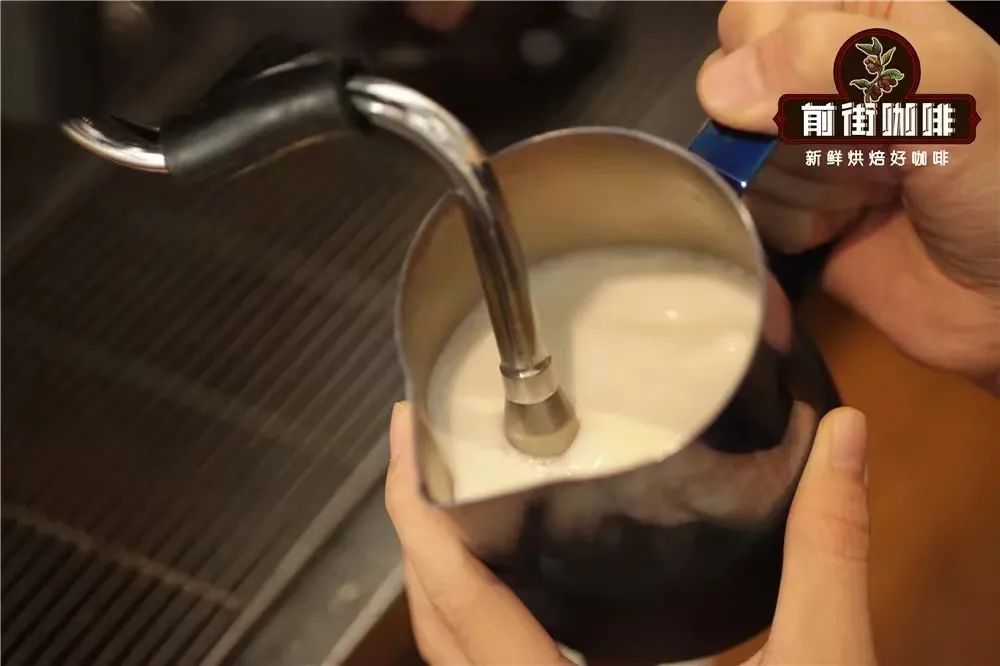
Overall,a milk temperature around 60°Cnot only brings out the best sweetness and aroma of the milk but also achieves the ideal state of fine and smooth milk foam, making it the golden temperature for making lattes. In comparison, 40°C milk temperature fails to fully activate the foam texture and aroma, while 80°C causes protein denaturation due to the high temperature, affecting not just mouthfeel but also potentially creating undesirable flavors.
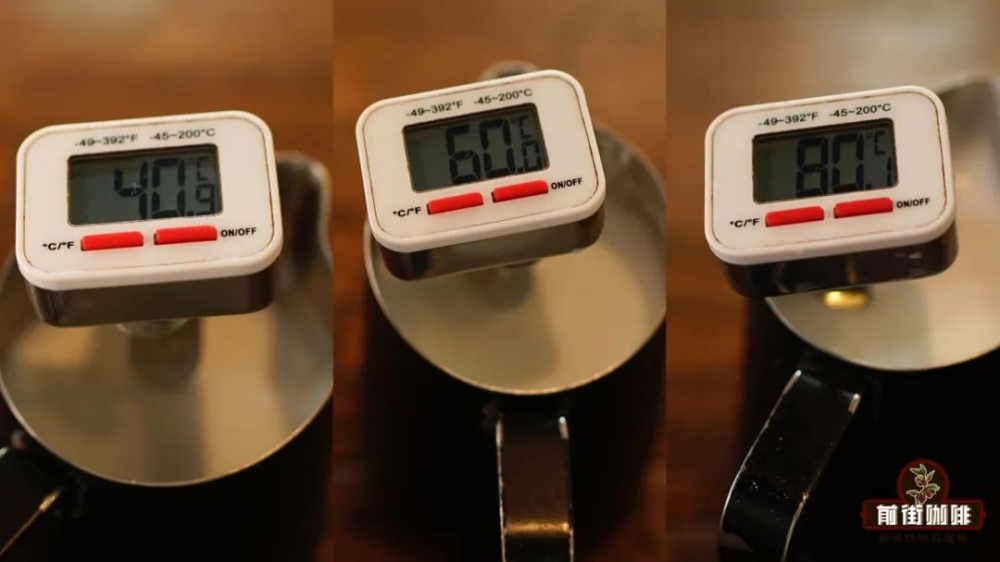
Therefore, unless for special needs such as delivery, most professional coffee shops do not easily adjust the milk temperature setting, aiming to present a latte with balanced flavor and smooth mouthfeel. Mastering the correct milk temperature not only improves the overall quality of the coffee but also allows you to get closer to professional-level results when brewing at home.
The above content is compiled by CoffeeHunters, a coffee news website.


