







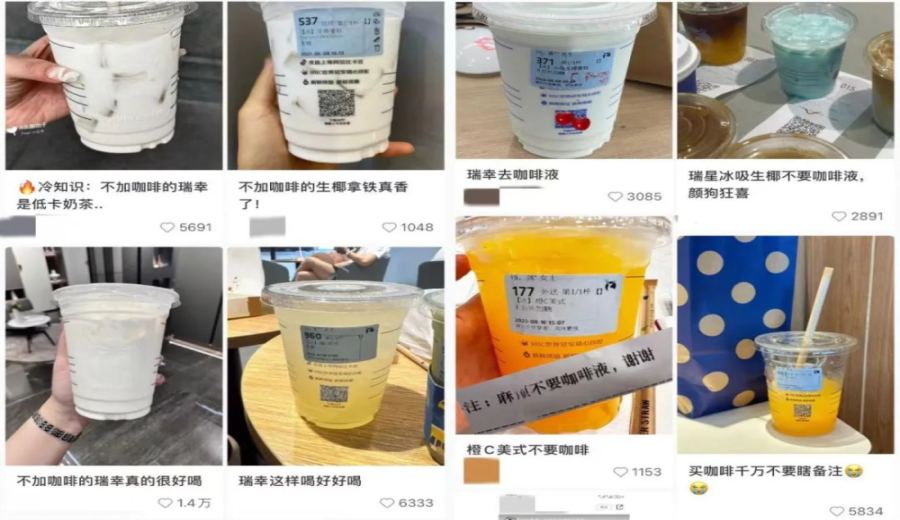
Introduction:In recent years, social media platforms have seen a peculiar trend of people "ordering coffee but not wanting the coffee liquid." Although such posts receive high levels of engagement, they also create operational challenges for frontline baristas. What is driving this ordering behavior? What impact does it have on staff? This article delves into the background of the incident, online suggestions, and explores the tension between standardized processes and customers' personalized needs at chain coffee brands.
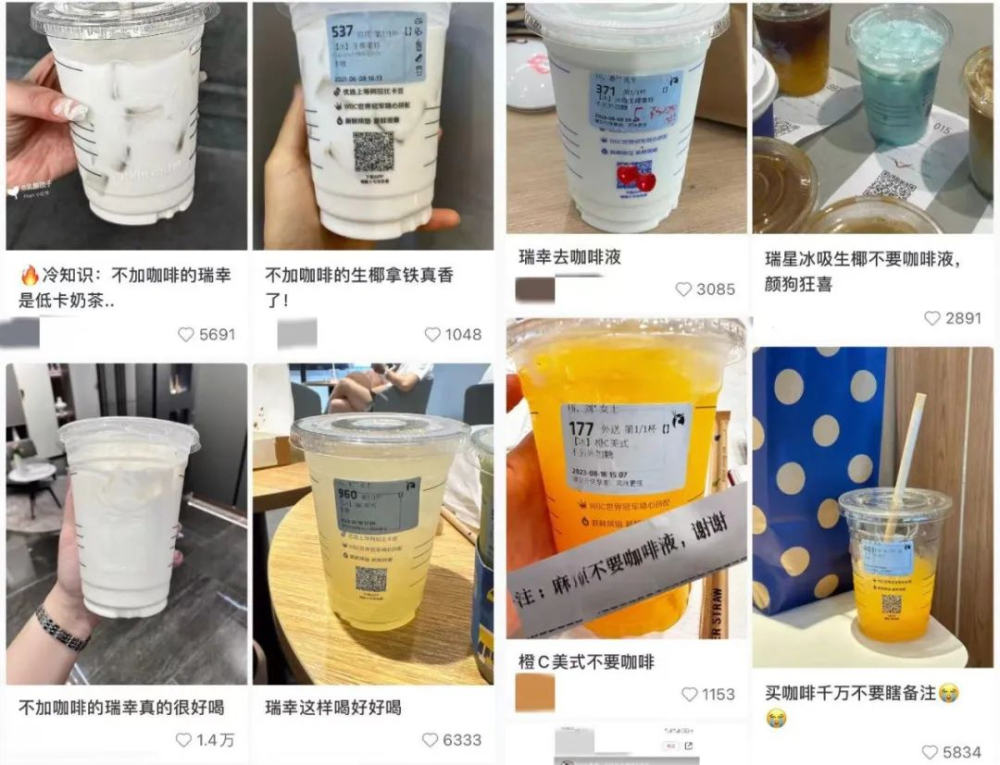
Recently, on social media, an unusual consumer behavior—ordering coffee but requesting that the coffee liquid be removed—has become a trend. Whether on Xiaohongshu or other sharing platforms, creative order requests like this abound, often easily garnering thousands or even tens of thousands of likes. However, this novel approach has put frontline baristas in a dilemma.
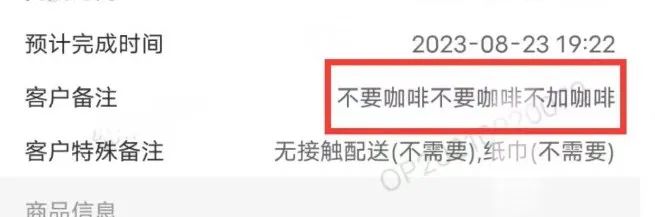
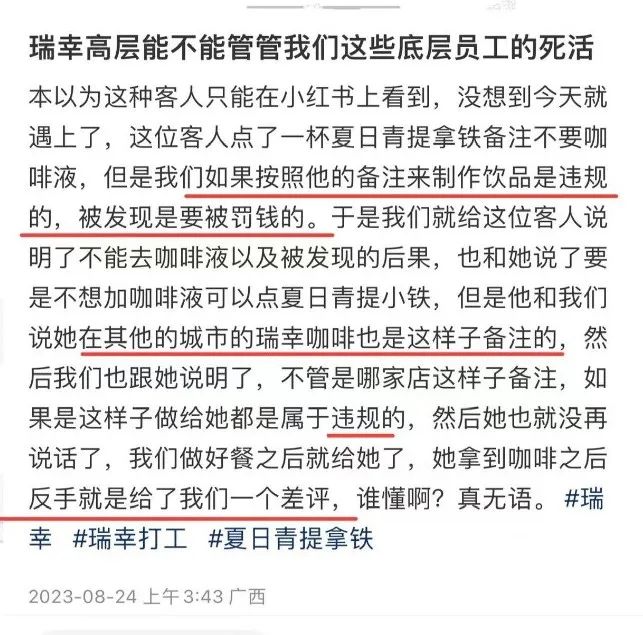
A netizen claiming to be a staff member at a Luckin Coffee store recently posted online about encountering customers who ordered drinks like green grape latte but specifically requested in the notes, "no coffee liquid." For baristas, such requests go beyond normal preparation procedures. Adjusting the recipe in a way that does not meet the official product standards, according to standard store operating procedures, constitutes a violation. If discovered by headquarters or auditors, it could even lead to penalties.
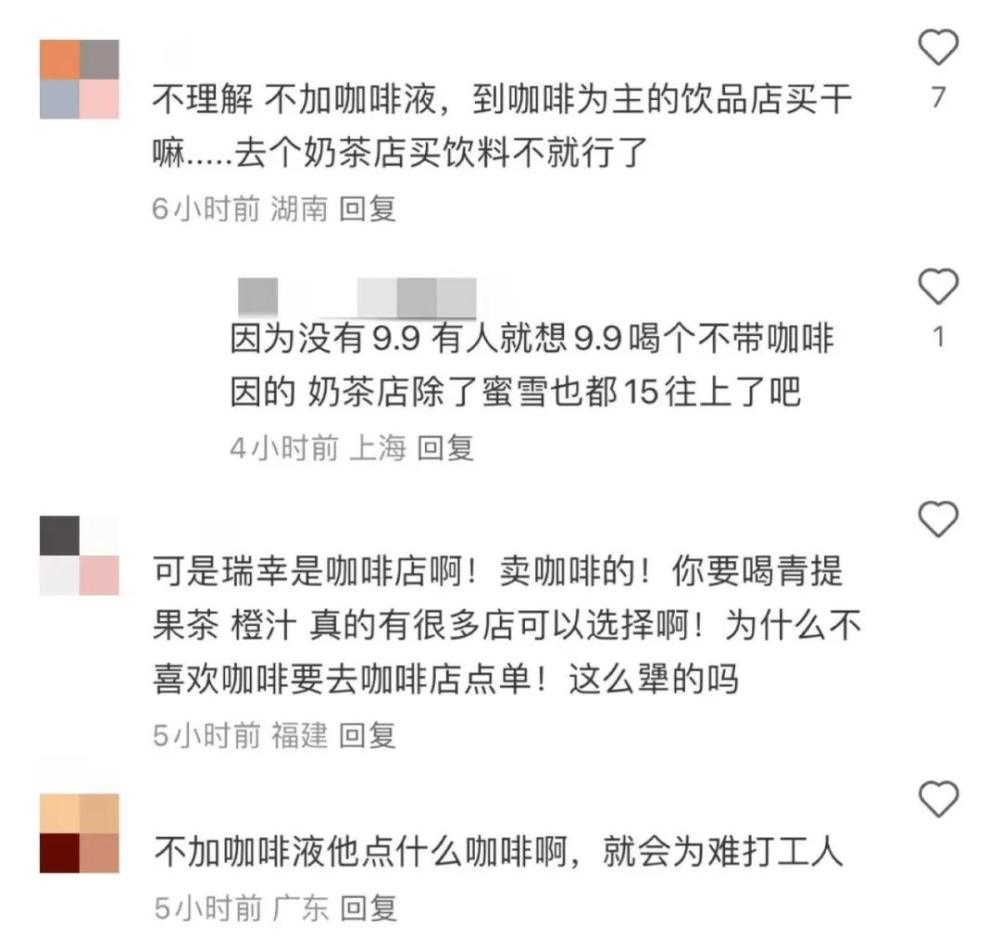
Faced with such customer demands, baristas are often caught between a rock and a hard place: accommodating the request may violate company policy, while outright refusal can easily provoke customer dissatisfaction or even negative reviews. One netizen commented that many ordering behaviors that seem fun actually directly increase the operational pressure and psychological burden on staff.
In response to such situations, many netizens have also offered improvement suggestions. Some believe brand sides could consider directly noting in their systems things like "this drink cannot be made without coffee liquid," similar to existing reminders such as "iced brew series cannot be made without ice" or "Rinse cannot have ice amount adjusted." This would allow customers to fully understand limitations before ordering, reducing friction in on-site communication.
Additionally, there have been suggestions to offer a "coffee liquid separation" option—allowing customers who truly do not want to consume the coffee part to have the coffee liquid packaged separately. This retains the integrity of the drink while addressing personal preferences. However, this approach involves more operational steps and hygiene management, so brands need to carefully assess it before implementation.
In fact, although these "no coffee liquid" ordering requests have gained attention online and might even bring short-term brand exposure, they pose real operational pain points for frontline service staff. How to balance consistency in product preparation with the customer service experience remains a long-term challenge for chain coffee brands.
This incident also highlights that although creative orders on social platforms can attract attention, a lack of understanding of the actual operational environment can exacerbate the difficulties faced by service personnel. Whether brands will adjust policies or introduce more flexible options in response to such demands remains something to watch.
In summary, as playful ordering becomes a trend, brands need to not only pay attention to market topics and online popularity, but also take into account internal workflows and employee feelings. Establishing clearer guidelines, flexible communication mechanisms, and even moderate option adjustments can effectively alleviate the conflict between standardization and personalization.
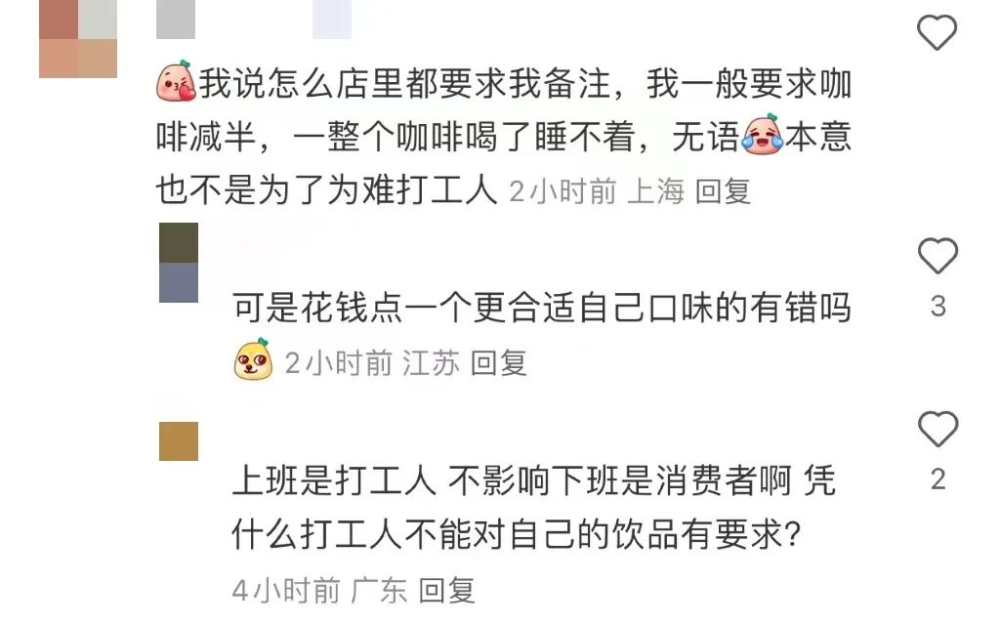
Although this incident originated from a single employee’s heartfelt post, it reflects the real challenges chain coffee businesses face when dealing with new types of consumer behavior. Whether it's brand owners, consumers, or service staff, more understanding and communication are needed to jointly create a more user-friendly coffee consumption environment.
The above content is compiled by CoffeeHunters, a coffee news website.


