







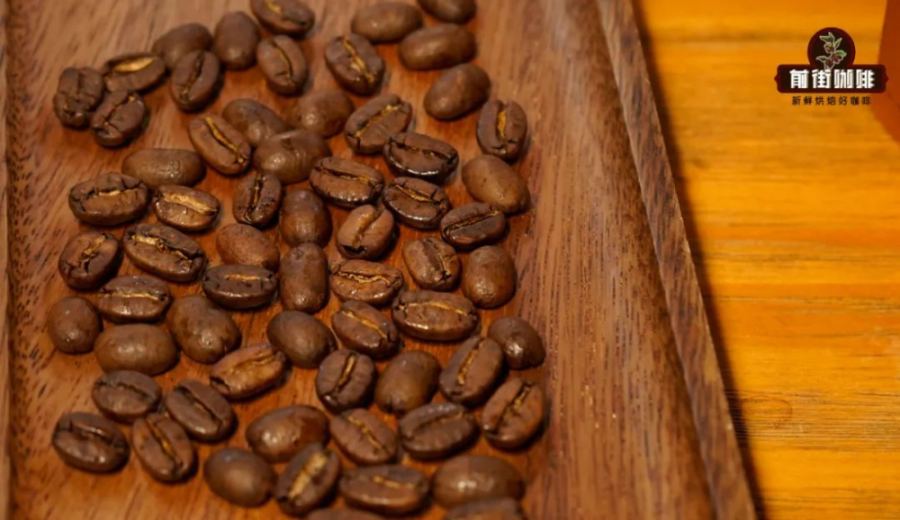
Introduction:How can you estimate 15 grams of coffee beans when you don’t have an electronic scale for pour over? Actually, you can get a general idea by counting the beans too. This article tests five types of coffee beans from different origins and varieties—including Yirgacheffe, Blue Mountain No. 1, Brazilian Yellow Bourbon, Panamanian Geisha, and Golden Mandheling—and for each type, we weighed three sets of 15-gram samples and counted the beans precisely. We’ve compiled a practical reference range to help you more accurately gauge your coffee dose even without weighing tools.
When brewing pour over coffee at home, an electronic scale is almost an essential tool. But what if you can't find one at home or forget to bring it while traveling? In fact, with a few small tricks, you can still roughly estimate how much coffee to use. This article walks you through testing five representative coffee beans—including Yirgacheffe, Blue Mountain No. 1, Brazilian Yellow Bourbon, Panamanian Green Label Geisha, and Indonesian Golden Mandheling. For each, we weighed three separate 15-gram samples and counted the actual number of beans. The result is a useful reference that allows you to make a more accurate estimation of your target dose based on the beans' appearance and count—even without an electronic scale.
First, it’s important to understand that coffee beans from different regions and varieties vary in size, shape, and density due to differences in variety characteristics, growing environments, and processing methods. Therefore, even if the weight is the same, the number of beans can vary significantly. For example, smaller Ethiopian heirloom beans may exceed 120 beans per 15 grams, whereas fuller-bodied Brazilian Yellow Bourbon beans might only be around 108 to 112 beans per 15 grams.
Let’s start with Ethiopia, the birthplace of specialty coffee. The sample used here is Yirgacheffe regular beans, washed processed, using the local heirloom variety. Ethiopian coffee beans are typically not graded by bean size but focus on controlling defect rates, so there's noticeable variation in bean size. In our test of three 15-gram samples, the number of beans ranged roughly between120 and 130 beans—one of the smallest among the tested items. When you grab a handful, you’ll clearly feel that the beans are finer and denser.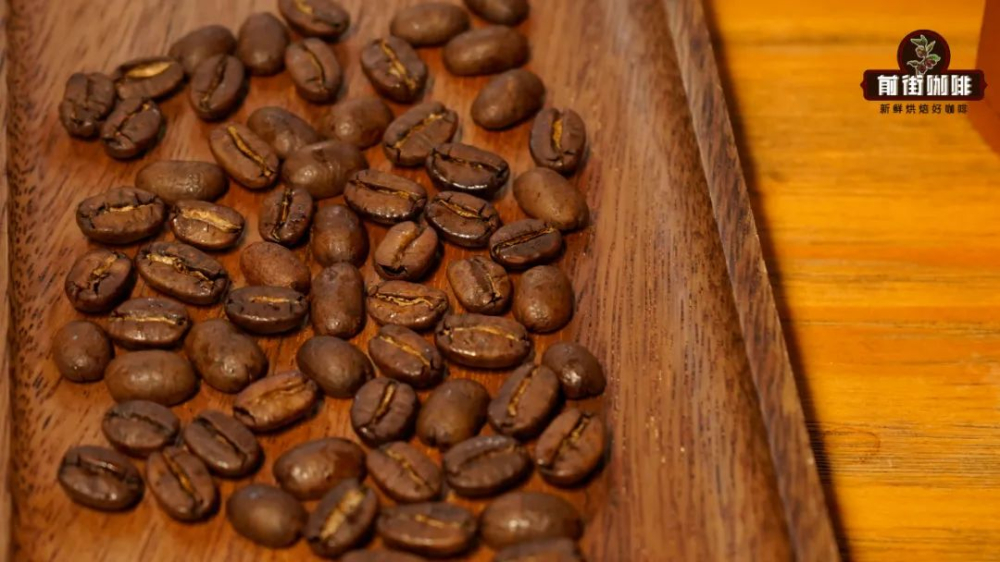
Next up is the classic representative of specialty coffee—Jamaican Blue Mountain No. 1. This bean uses the globally recognized, traditional, and premium Typica variety, grown only in specific sections of the Blue Mountains and strictly controlled for defect rate and bean size. It’s considered a dream coffee for many enthusiasts. The washed Blue Mountain No. 1 beans are medium-sized. In our test, the number of beans in the three 15-gram samples didn’t vary much, ranging approximately between100 and 102 beans. The difference between Group A and Group C was just one bean, showing very high uniformity in bean size.
Next, let’s introduce Brazilian Yellow Bourbon from South America. Brazil is the world’s largest coffee producer, and its grading system is mainly based on defect count, bean size, and cupping performance. Yellow Bourbon is an important branch of the Bourbon family, known for its sweetness and full body. The Yellow Bourbon tested here is from Fazenda Rainha and is sun-dried. The beans are relatively uniform and plump. The three 15-gram samples had bean counts of112, 108, and 110 beans, falling within the overall range of 108 to 112 beans. You can feel their distinct roundness and heft when handling them.
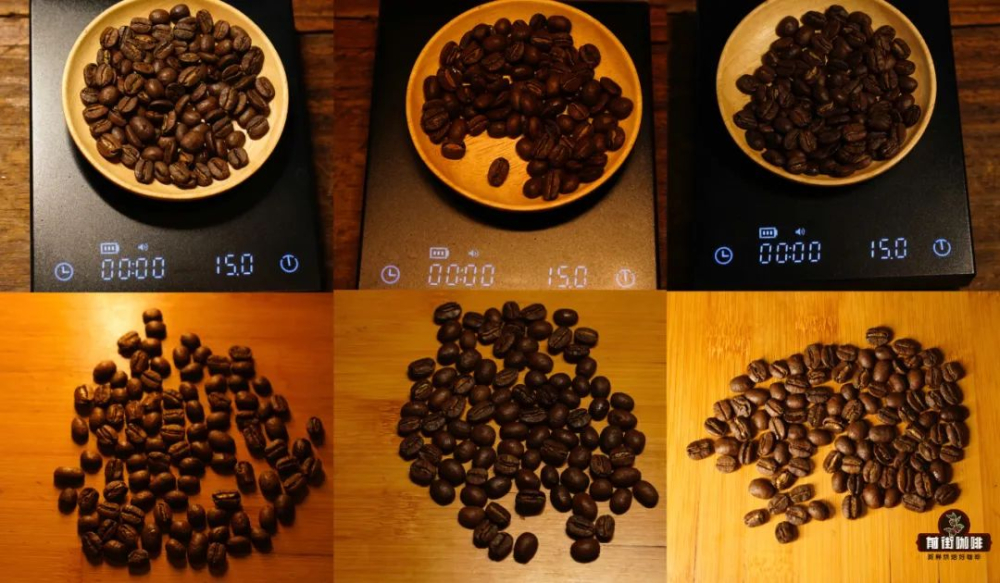
When talking about top-tier specialty coffees today, you can’t miss Panama’s Geisha variety. The sample used here is the Green Label Geisha from Hacienda La Esmeralda, washed processed, grown at altitudes of 1600 to 1800 meters—well above Panama’s official highest grade of SHB (above 1400 meters). As a result, the beans are more plump and firm, with a uniquely slender shape that’s highly recognizable.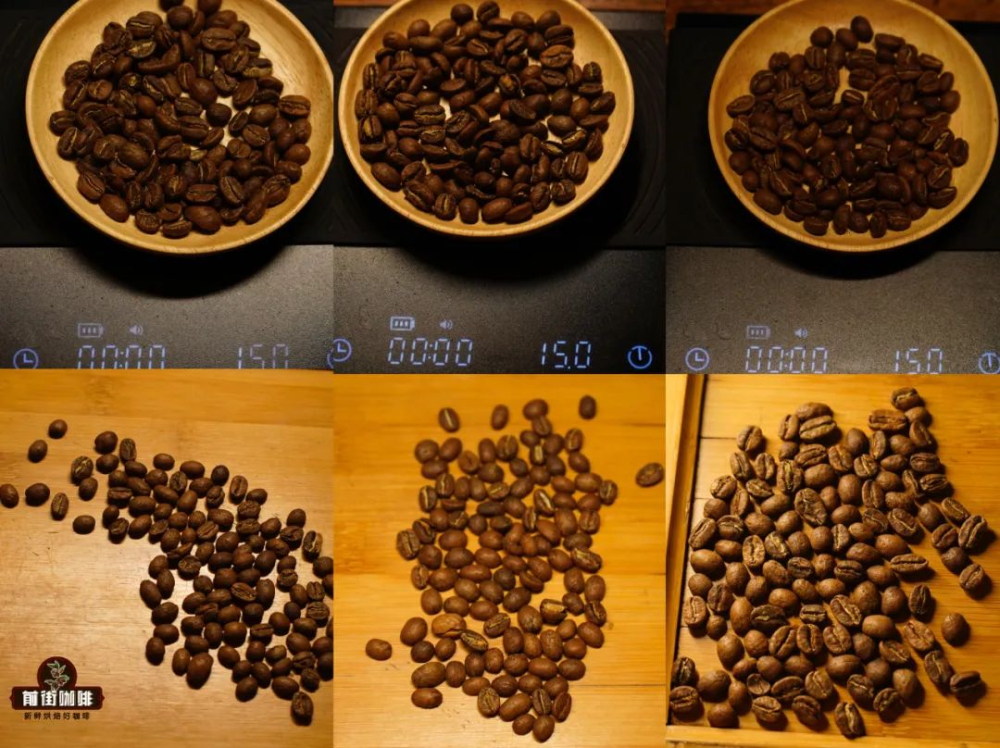 The three 15-gram samples had a bean count range of approximately96 to 98 beans—a relatively low number. Observing the bean shape alone makes it easy to distinguish this variety from others, making it a good reference point for estimation.
Finally, let’s look at Indonesian Golden Mandheling, which has a slight Robusta genetic background. This bean uses the Ateng variety and is processed via the wet-hulled method. Although not pure Arabica, it still holds a place in the specialty market. The sample is PWN Golden Mandheling, with strict selection criteria—only G1 grade beans over eighteen mesh and with fewer than three defects per 300 grams are chosen. The beans are dark green and flat in shape. The three 15-gram samples had bean counts of97, 93, and 96 beans, with an overall range of 93 to 97 beans—the lowest count in our test. They feel noticeably denser and heavier to the touch.
In summary, even without an electronic scale, you can still estimate the approximate number of 15 grams of coffee beans more accurately by observing the beans’ size, appearance, and feel, along with the reference ranges provided here. Of course, while counting beans is a fun and practical method, it’s still recommended to use weighing tools regularly to ensure consistent extraction results—especially in pour over brewing where flavor consistency is key, and precise dosing remains one of the crucial factors.
The above content is compiled by CoffeeHunters, a coffee news website.


