








Introduction:The crema (foam) on the surface of espresso is not just a visual highlight, but also an indicator of extraction quality. By observing the color, thickness, and texture of the crema, you can quickly diagnose common issues during extraction, such as beans being too fresh, under-roasted, or using improper parameters. This article delves into the nature of crema, helping you assess the espresso extraction status by appearance, and provides practical adjustment suggestions to help stabilize the quality of your output.
The delicate golden foam on top of espresso is called crema in Italian, and coffee professionals in Taiwan and Hong Kong often refer to it as "oil." This layer of crema is not just an element that makes espresso more appealing—it is actually a direct reflection of the extraction result. Understanding the principles behind crema formation and its visual characteristics can help you quickly identify abnormalities during extraction, adjust parameters accordingly, and improve coffee quality.

So, is this “oil” on espresso really oil? In fact, if you let freshly extracted espresso sit for a short while, you’ll notice that the lighter-colored upper part is mainly composed of countless tiny bubbles. These bubbles are formed during high-pressure extraction, when the espresso machine traps carbon dioxide and insoluble oils from the coffee grounds together. This is what we call crema. Over time, as carbon dioxide is gradually released, this bubble structure slowly disappears, and what you then see is the actual shiny film formed by oils on the coffee surface.
To produce a beautiful and expressive crema, multiple factors must come together. Ideal crema should exhibit a uniform golden-yellow color, have a fine and dense texture, and possess good adhesion and fluidity. When you gently shake the cup, the crema should spread smoothly like cream. Such crema not only enhances visual appeal but also adds layers of aroma and richness to the drinking experience, positively impacting latte art and milk foam integration.

To achieve ideal crema, bean selection is crucial. It is recommended to choose medium to dark roasted blends that are at their optimal flavor window (approximately 45–60 days) and contain an appropriate amount of Robusta beans. These types of beans usually have sufficient carbon dioxide content and strong oil release capabilities. Additionally, using freshly ground coffee, maintaining stable high water temperature, ensuring adequate extraction pressure, and using the proper grind size are all essential conditions for creating rich crema. Overall, the fresher the beans, the darker the roast, and the more stable the equipment performance, the better the crema typically performs.
Next, we’ll start with practical observations to teach you how to quickly assess espresso extraction status through the appearance of crema and identify potential issues.
Scenario one: No crema or extremely thin crema
If you find that the espresso you’ve extracted has almost no crema, or the crema is so thin it’s nearly transparent, this is usually because the coffee beans have been stored for too long or the storage environment was poor, leading to significant loss of carbon dioxide. Additionally, insufficient extraction pressure from the espresso machine, low water temperature, overly coarse grind size, or insufficient tamping pressure can also result in a weak crema layer. It is recommended to check the beans’ shelf life and storage method, and reconfirm whether the extraction parameters are reasonable.
Scenario two: Crema appears white, lacking golden hue
When the crema looks pale in color and has decent thickness overall, but the flavor profile is overly bright or unbalanced, it’s likely due to using coffee beans that are roasted too lightly. Light-roast beans usually have pronounced acidity, and if under-extracted, this characteristic can be amplified. For example, certain fruit-acid-forward blends may exhibit uneven extraction due to incorrect grind size, resulting in pale-colored crema along with an unpleasant sour or astringent taste.
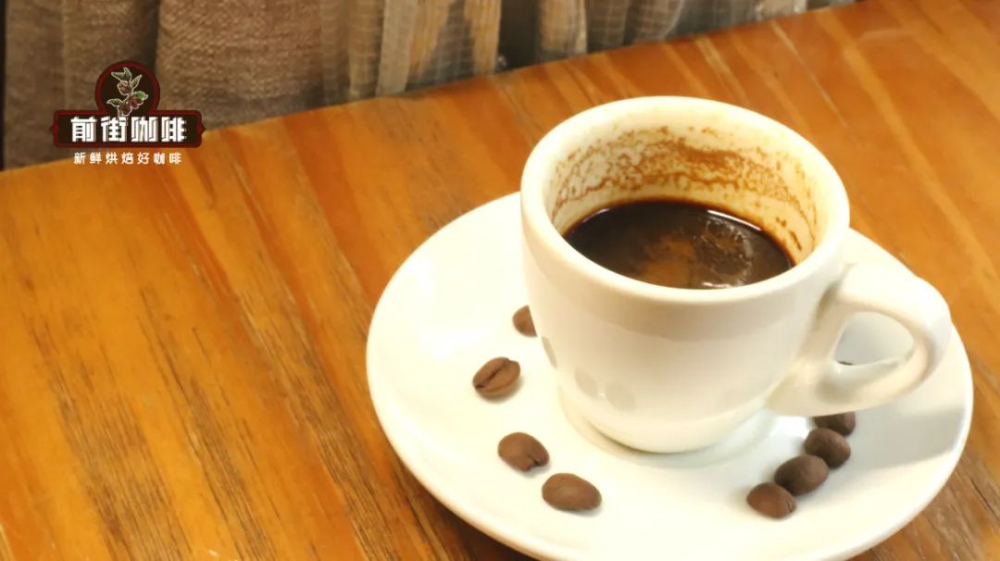
Scenario three: Crema is rough, bubbly, and unevenly clumped
In this case, the crema often presents an irregular, “lumpy” appearance, feels rough to the touch, has poor fluidity, and dissipates quickly—similar to over-whipped milk foam. This is usually because the coffee beans are too fresh, containing excessive carbon dioxide, which prevents the oils from fully encapsulating the gases during high-pressure extraction, resulting in an unstable bubble structure. It is recommended to let freshly roasted beans rest for 7–10 days until their gas release stabilizes before extraction, which helps achieve a more even and fine crema.
The above content is compiled by CoffeeHunters, a coffee news website.


