







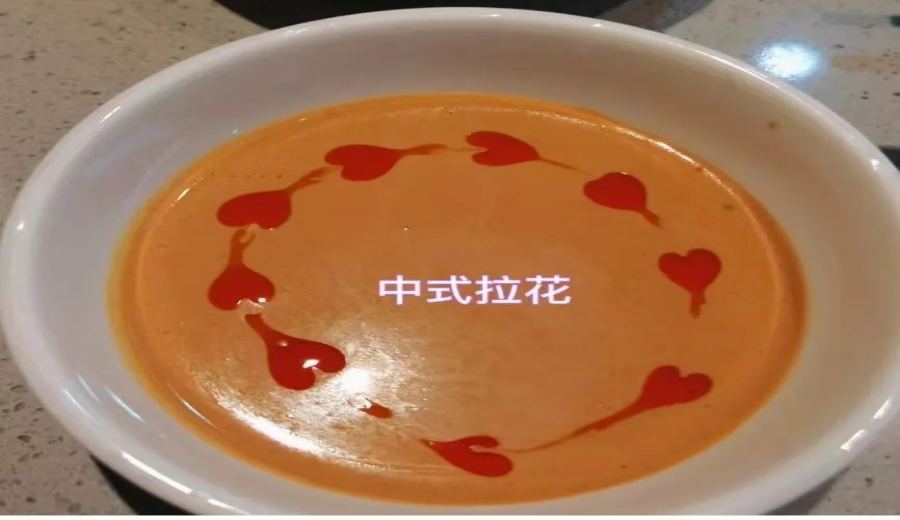
Introduction:Once baristas have mastered latte art techniques, many are no longer satisfied with traditional cups and begin experimenting with creative canvases such as blind bowls, spoons, or even instant noodle cups. This article selects 10 creative containers, analyzes their practical techniques and precautions, and includes real-world examples from professional baristas to take you on a journey exploring the endless possibilities of latte art.
Latte art has long been a hallmark skill of baristas, but when basic patterns like hearts and tulips become second nature, some imaginative baristas start seeking new challenges — turning everyday items at hand into latte art canvases, from blind bowls to instant noodle cups, the possibilities are endless.
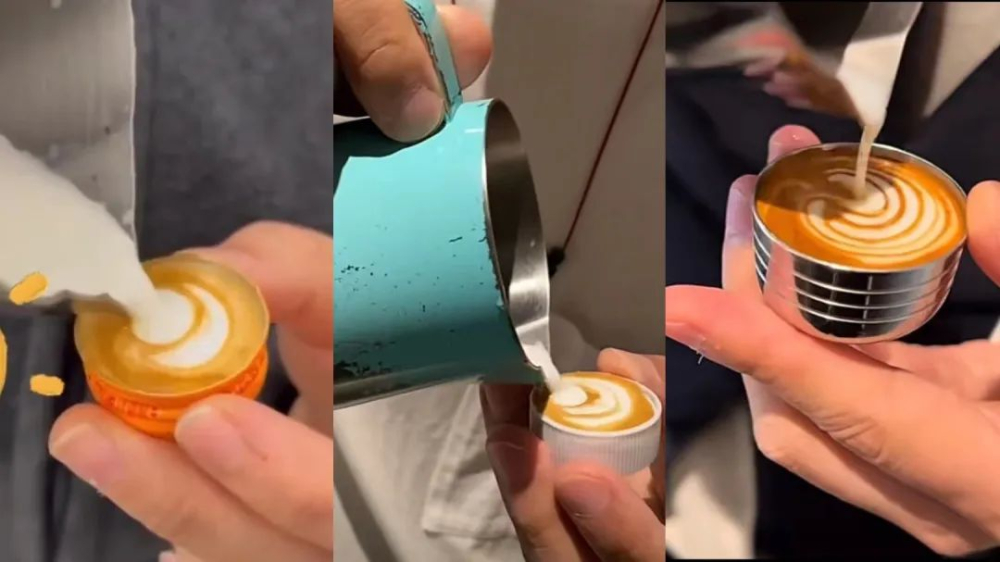
This creative practice not only showcases skill but also brings surprises to customers. For example, completing intricate designs on a blind bowl with a diameter of only 5–6 centimeters, or tracing leaf vein patterns on the surface of a spoon, both require precise control of milk flow rate and pouring distance.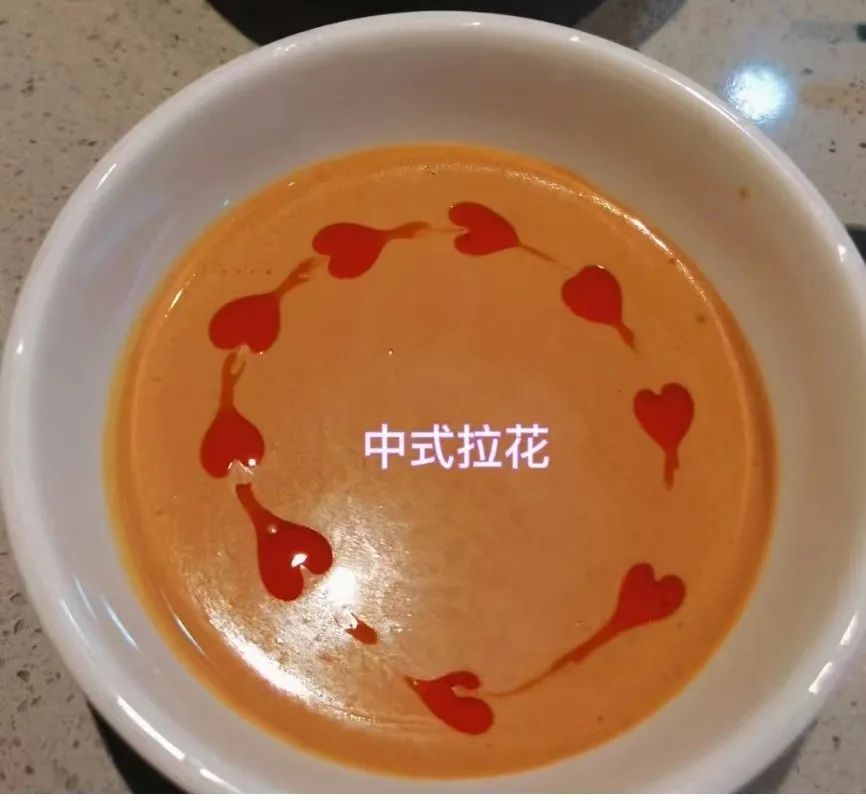
Common creative containers include metal utensils like hot pot spoons and spoons. When using them, please note:First, sterilize the handle part with high-temperature steam from the steam wand.Then scoop an appropriate amount of milk foam with the pitcher (30–50 ml is recommended), and keep your wrist steady while pouring. Some baristas share that the curved surface of a hot pot spoon is particularly suitable for practicing detailed patterns.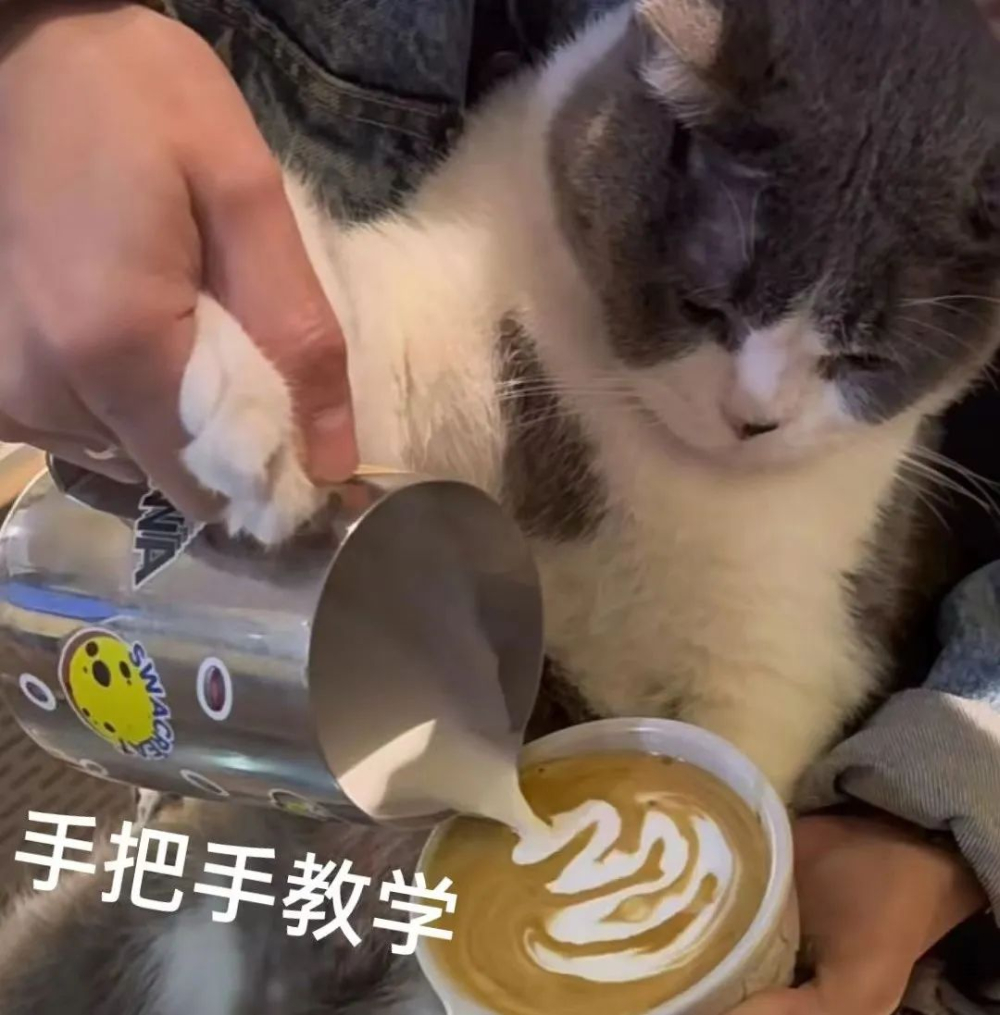
Even more extreme challengers use unconventional carriers such as seasoning bottle caps or lettuce leaves. For instance, when creating latte art on pineapple bun crust, you need topre-bake it until the crust is crispyto support the milk foam; and for plastic serving trays, temperature control is essential to avoid deformation caused by hot milk foam.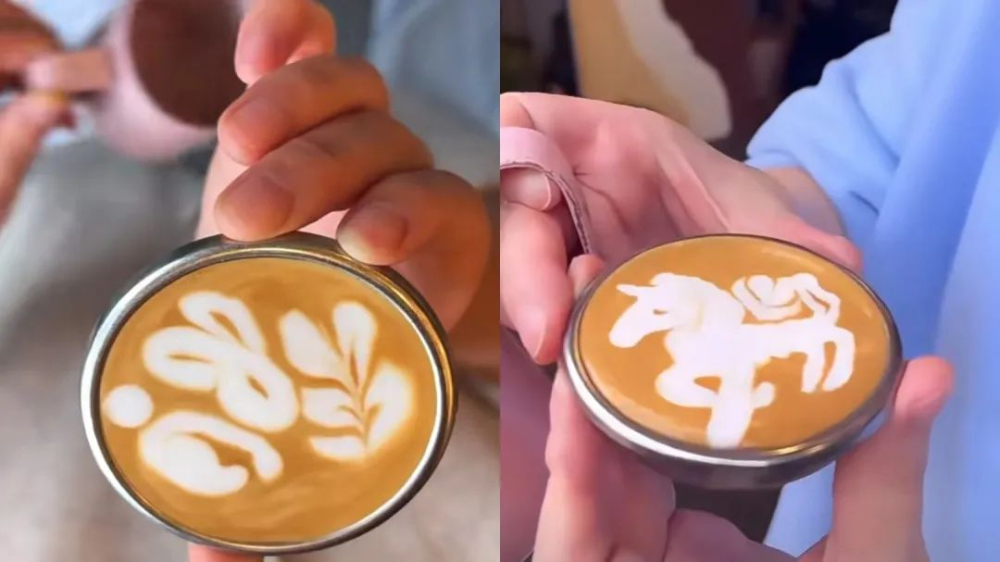
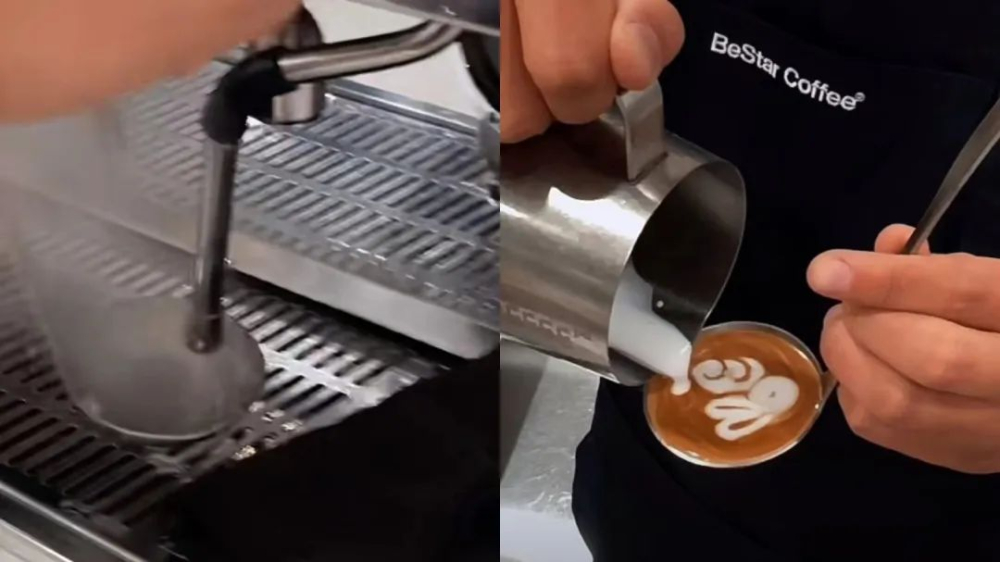
Practical advice: Beginners can start practicing on wide, shallow containers such as the back of a spoon or small-sized mugs. For advanced users attempting blind bowls, it’s recommended to first simulate the milk foam flow path with water to master balance and center of gravity before trying with actual milk.
Behind these creative practices lies baristas’ relentless pursuit of aesthetics. From drawing hearts on dipping sauce plates with toothpicks while eating hot pot, to transforming leftover instant noodle cups into mini latte art pieces, every flash of inspiration may open up a new form of expression.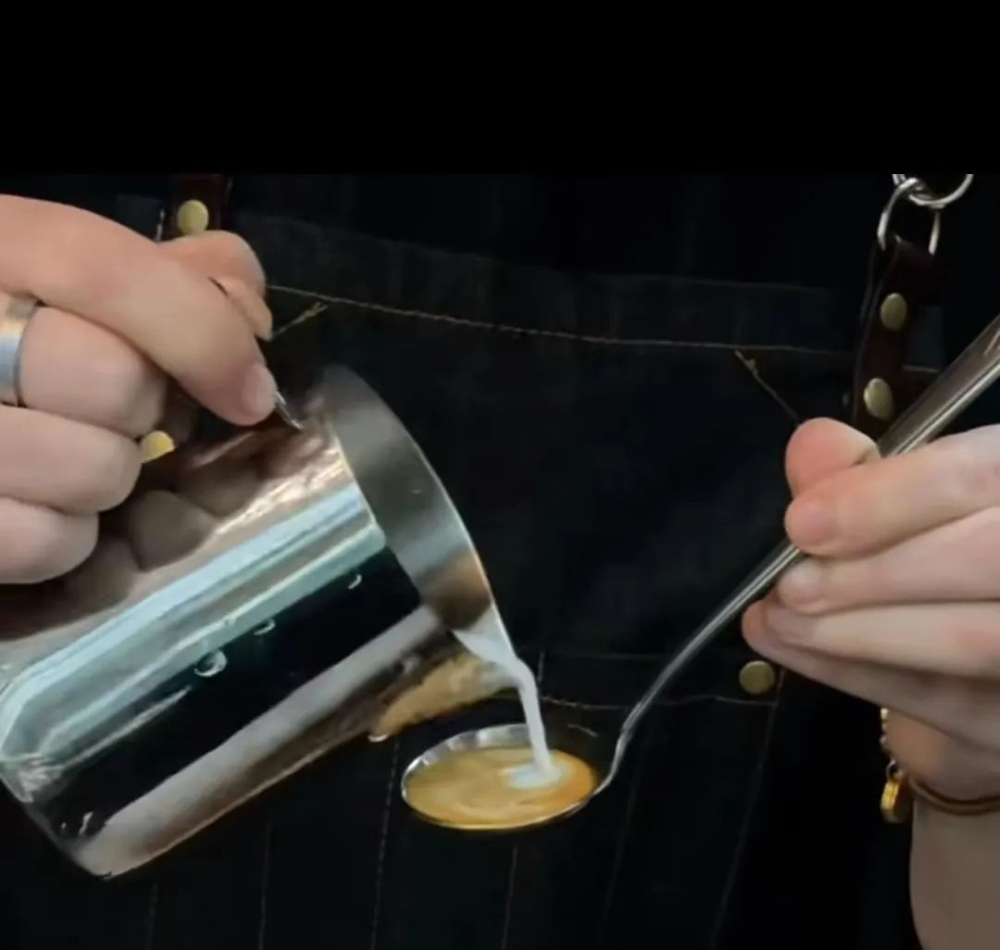
The above content is compiled by CoffeeHunters, a coffee news website.


