








Introduction:Yemen was once the birthplace of coffee trade, with the port of Mocha serving as a symbol of coffee culture. Yet today, Yemeni coffee is extremely rare, accounting for only 0.1% of global annual production. This article delves into the reasons behind Yemeni coffee’s decline from its former glory to its current scarcity, including prolonged conflict, competition from qat cultivation, and unique yet constrained processing methods. It also introduces the emerging “Alchemy Processing Method” that is bringing new hope to this rare coffee.
When discussing the history of coffee, one cannot overlook the pivotal role of Yemen. As early as the 17th century, Yemen was a pioneer in bringing coffee to the world. The port of Mocha at the time was a key gateway for coffee exports to Europe, with even neighboring Ethiopian coffee passing through it. That’s why the term “Mocha coffee” not only represents a flavor profile but also carries the historical significance of Yemen as the origin of coffee. Today, although we still commonly use “Mocha” to refer to certain coffee drinks or equipment, genuine Yemeni coffee has become a rare sight in the choices of everyday consumers.
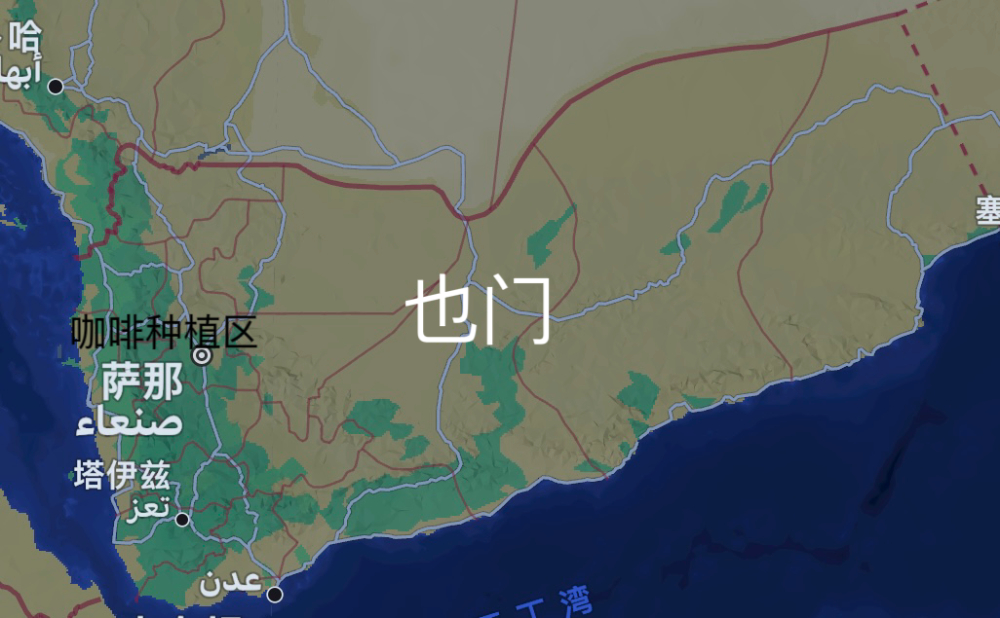
Yemeni coffee benefits from exceptionally favorable growing conditions, primarily located in highland mountainous regions at elevations above 2,300 meters. Such altitude contributes to its distinctive flavor profile: intense Middle Eastern spice notes, the aroma of ripe tropical fruits, subtle wine-like undertones, and a deep cocoa finish. The cup is full-bodied with a long-lasting aftertaste. With such a unique and layered flavor, Yemeni coffee was once the dream taste for many coffee enthusiasts.

However, Yemeni coffee’s former glory has not endured to the present. War, economic hardship, and shifts in cultivation structure have led to the gradual decline of this ancient coffee-producing region. Since 2015, Yemen has been embroiled in ongoing conflict. Major coffee-growing areas are mostly located in the western mountains, which already rely on limited natural resources. When the war broke out, the transportation network and infrastructure were severely damaged. Fuel and supplies became difficult to transport, leading to a sharp drop in farmers’ income and forcing many to abandon coffee farming in search of other livelihoods. At the same time, domestic issues such as high inflation and unemployment have further worsened the overall agricultural environment.
In addition to war, another major factor affecting Yemeni coffee production is the competition from qat cultivation. Qat is a plant widely used locally that has mild stimulant effects and is a daily pastime for many Yemenis. Due to its stable market demand and relatively high prices, many farmers choose to switch to qat cultivation to secure more stable incomes. According to 2012 statistics, Yemen’s annual coffee production was only 198 tons, while qat production reached as high as 190,800 tons—a staggering disparity. By 2016, Yemeni coffee’s share of the global market had dwindled to just 0.1%, with specialty-grade beans making up an even tinier fraction of around 0.0001%.
Moreover, the coffee processing method in Yemen also poses a significant challenge. Yemen is one of the few countries in the world that almost exclusively uses the natural (sun-dried) processing method. This is due to its extremely dry climate, with an average annual rainfall of only 400 to 750 millimeters—far below the 1,500 to 2,000 millimeters ideal for Arabica coffee growth. Due to the lack of sufficient water resources, the traditional washed processing method is nearly impossible to implement, leaving farmers to rely solely on sunlight to dry the coffee cherries.
Specifically, Yemeni farmers spread the harvested coffee cherries evenly on stone rooftops and manually turn them repeatedly with wooden rakes each day to ensure each bean is evenly heated and dried uniformly. This process typically takes about twenty days, after which a simple stone mill is used to remove the outer pulp and mucilage, extracting the inner coffee beans. This traditional and labor-intensive method, while preserving the coffee’s intense character, also results in greater instability in flavor, particularly susceptible to seasonal weather—especially the timing of rainfall—which makes quality control even more challenging.
Despite the numerous challenges, Yemeni coffee has not completely disappeared from the market. In a few specialty coffee shops, it is still possible to find these precious beans from the ancient producing region. In recent years, Yemen’s coffee industry has also gradually attempted innovation, seeking to re-emerge on the international specialty coffee stage. Among these efforts, a new processing technique called the “Alchemy Processing Method” has begun to attract attention. This technology involves placing whole cherries or partially depulped coffee beans into sealed tanks, injecting inert gases such as carbon dioxide or nitrogen, and managing the fermentation and drying processes under a pressure of 10 bar (approximately 145 psi) with precise temperature and gas control. This aims to enhance flavor consistency and unlock the potential for higher quality.
Although Yemeni coffee remains niche, its profound historical background and unique flavor characteristics continue to hold a special place in the hearts of coffee enthusiasts. With improvements in processing techniques and increased attention from the international market, we may one day rediscover this captivating taste from an ancient land in more specialty coffee menus.
The above content is compiled by CoffeeHunters, a coffee news website.


