







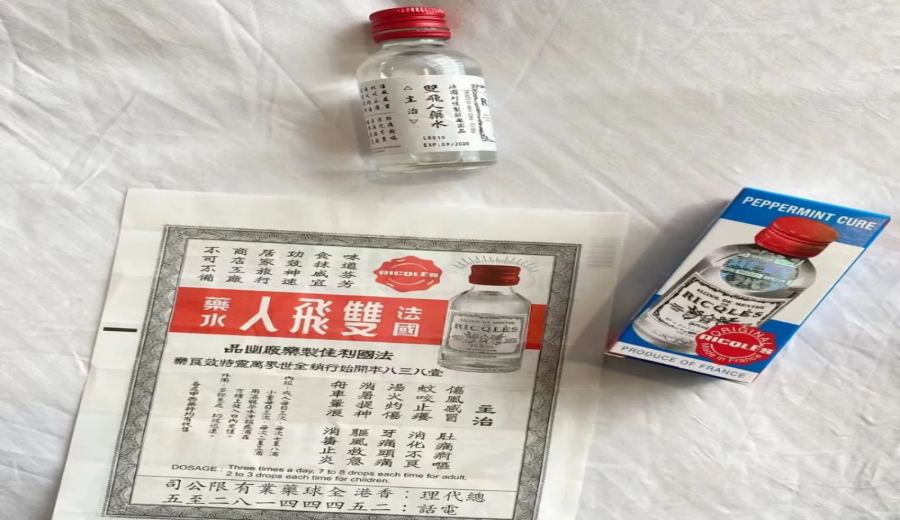
Introduction:While netizens across the country were buzzing about酱香拿铁 (Sauce Aroma Latte), netizens in Guangdong took things up a notch with a bottle of “Double Horse” medicated oil, using it to create an unconventional specialty drink by mixing it with iced Americano. Behind this seemingly absurd beverage combo lies what potential health risks? This article delves into the ingredients of Double Horse medicated oil, the interactions between alcohol and caffeine, and helps you understand both the creativity and the risks behind this wave of “commoner collab” drinks.
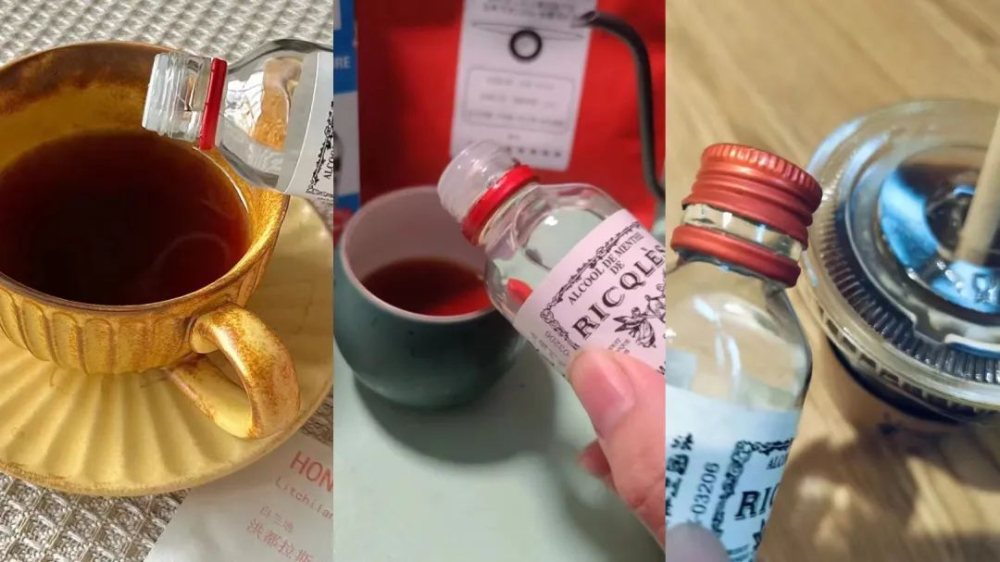
Recently, social media has been flooded with various alcoholic coffee specialty drinks, but the creativity of Guangdong netizens takes the cake—they directly drop the household staple “Double Horse” medicated oil into iced Americano, creating a bizarre drink called “Double Horse Iced Americano.” This trend has even spawned jaw-dropping combinations like Jiujiang Shuangzheng Latte, Pineapple Beer Americano, and Yu Bing Burn Coffee.
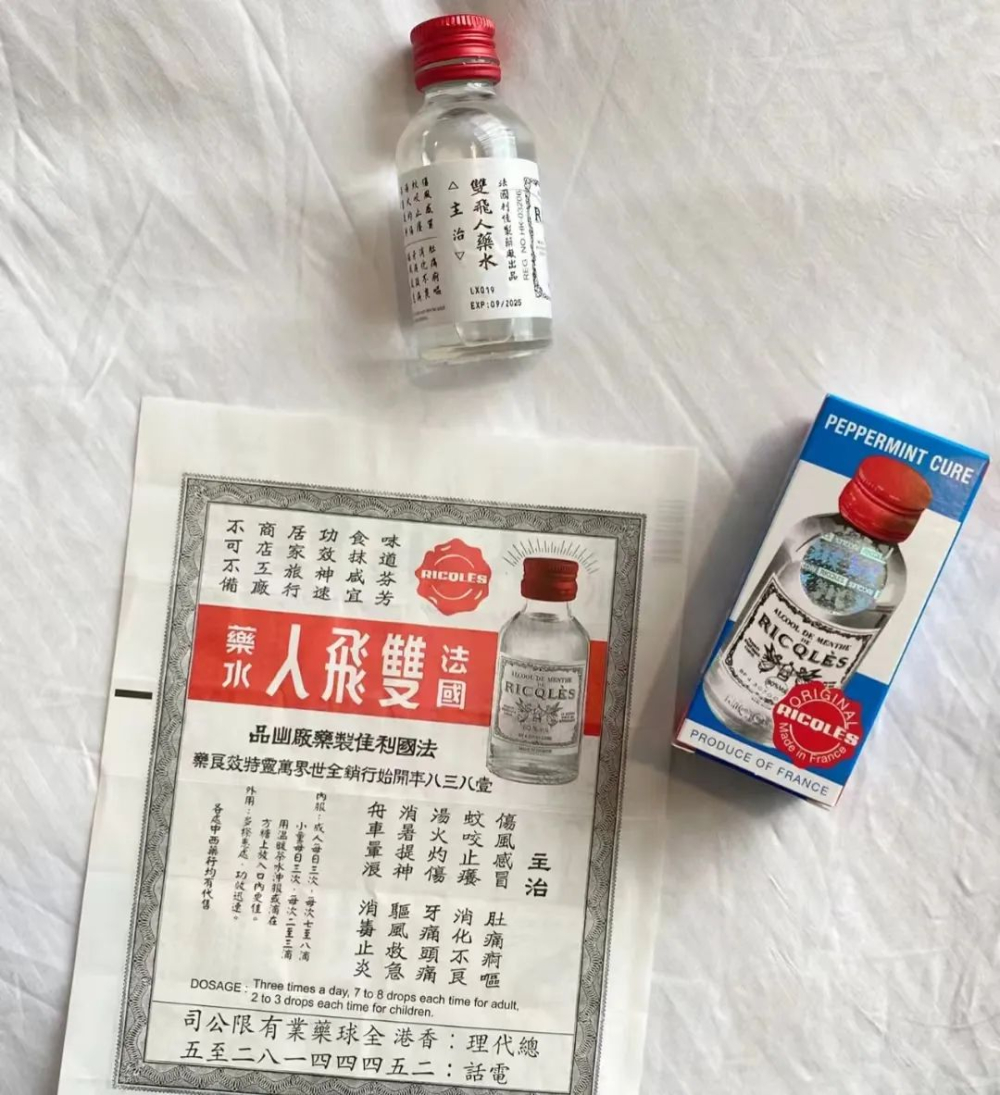
For people in Guangdong, that red-capped transparent bottle of medicated liquid is all too familiar. Double Horse medicated oil is not only a common item in home medicine cabinets, but also a popular souvenir in Hong Kong and Macau. Its ingredients are relatively simple: containing80% alcohol, 1.32% peppermint oil, and 18.68% distilled water, giving it multiple uses such as disinfection and refreshment. Notably, the Hong Kong version of Double Horse is labeled as orally ingestible—a special attribute that makes it an unexpected element in beverage experimentation.
When netizens realized that the alcohol content of this medicated oil (80%) far exceeds that of typical cocktail base spirits, their creative sparks flew. In video clips, mixologists drip generous amounts of Double Horse medicated oil into iced Americano until the surface of the liquid shows a clear tinge of the medicinal liquid. While this high-concentration alcohol and caffeine combination may offer a novel buzz, it carries non-negligible health risks.
A deeper look at the potential effects of this combo: both caffeine and alcohol arenervous system stimulants, and their dual stimulation can lead to abnormal blood vessel dilation. Clinical observations suggest that mixing the two may cause symptoms such as insomnia and palpitations, placing particularly heavy strain on the cardiovascular system. People with poor heart function, sensitive gastrointestinal tracts, or liver conditions are strongly advised to avoid such drinks altogether.
Within this wave of creativity, netizens have also come up with more “down-to-earth” combinations: “Shuangzheng Latte” made with Jiujiang Shuangzheng liquor (alcohol content around 30–40%), “Fruity Coffee” based on pineapple beer, and even inventive pairings with regional specialties like Yu Bing Burn. While these experiments showcase the fun side of food culture, it’s crucial to strictly control the amount of alcohol added when trying them at home—suggested alcohol content per drink should not exceed 5%, and they should be avoided on an empty stomach.

From a professional standpoint, here are some tips for DIY alcoholic coffee drinks: ① Choose low-acidity coffee beans (such as Brazil or Sumatra) to reduce reactive irritation with alcohol; ② It’s recommended to use chilled bases to balance the sharpness of alcohol; ③ First-timers should start with small amounts to test their tolerance. Observations show that most creative alcoholic coffee drinks tend to lose their alcohol volatility after about 15–20 minutes, so it’s best to drink them right after mixing to achieve optimal flavor balance.
While this wave of “commoner collab” drinks satisfies netizens’ curiosity and creativity, health management should always be the top priority. Research on the synergistic effects of alcohol and caffeine indicates that combining the two slows down the body’s metabolic rate and may worsen dehydration symptoms. This effect becomes especially pronounced in high-temperature environments or after physical activity.
Looking back at the popularity of these creative drinks, it essentially reflects the experimental spirit of the food and beverage cultures in Taiwan and Guangdong. From the perspective of professional bartenders, the biggest challenge with these specialty drinks is achieving flavor balance—high-concentration alcohol can easily mask the original layers of coffee flavor, requiring precise calculation of ingredient ratios. The industry suggests that amateur enthusiasts start with a basic ratio of 3:1 (coffee to alcohol), then gradually adjust to their personal taste preferences.
The above content is compiled by CoffeeHunters, a coffee news website.


