







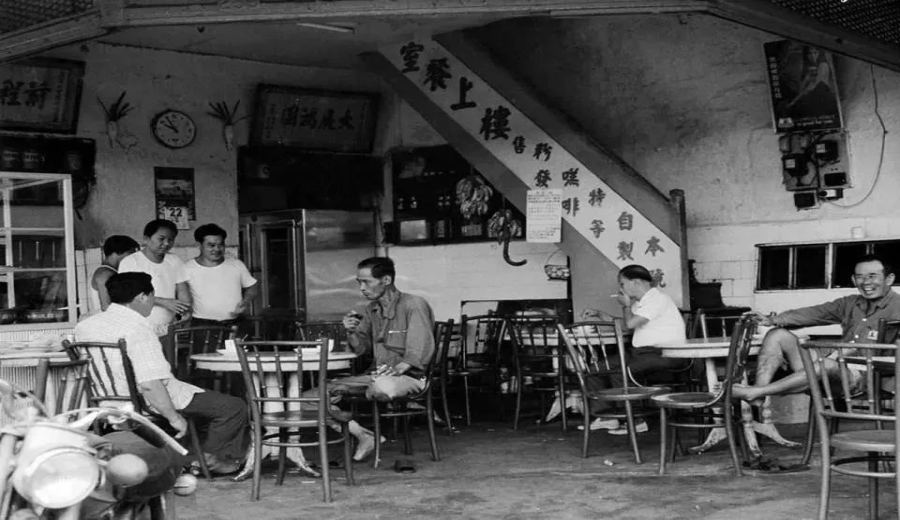
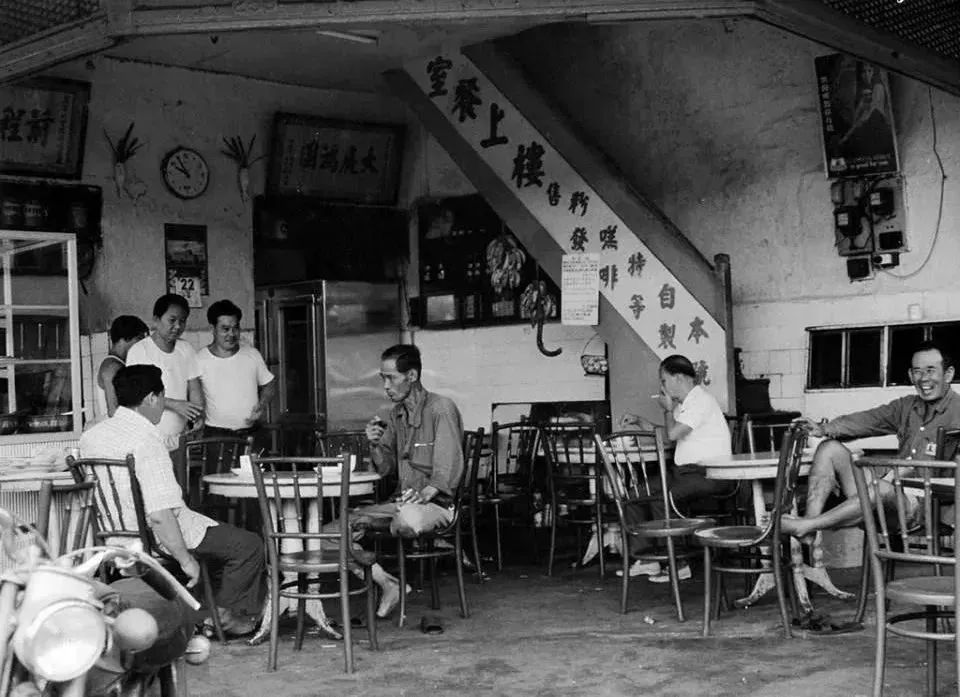
Introduction:Nanyang coffee originates from the culinary wisdom of Chinese immigrants in Southeast Asia, renowned for its distinctive dark roasting and flavoring techniques, setting it apart from specialty coffee. This article delves into the entire process of Nanyang coffee—from bean selection, roasting, flavoring to brewing—along with Singapore’s unique Kopi ordering terminology system, helping you understand the cultural background and practical drinking guidelines of this bold black coffee.
Among the many coffee cultures, “Nanyang coffee” is an exceptionally regional branch. It stems from the dietary adaptation and innovation of Chinese immigrants in Southeast Asia during the early 20th century and has developed unique consumption methods in Malaysia, Singapore, Indonesia, and Thailand. Unlike today’s popular specialty coffee, Nanyang coffee emphasizes a rich, full-bodied taste, and its roasting and brewing techniques are deeply influenced by Chinese culinary thinking, forming a truly one-of-a-kind coffee system.
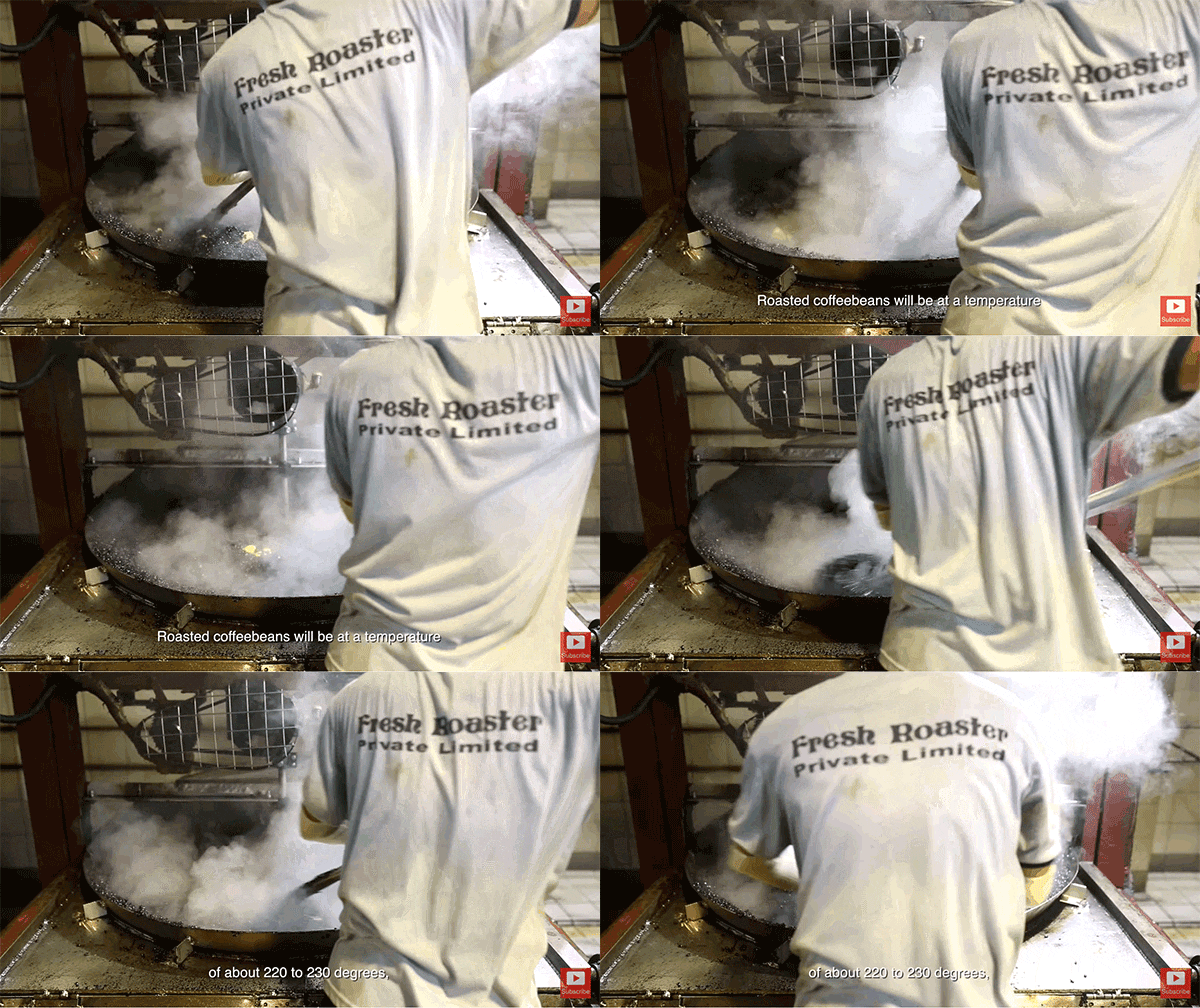
When talking about Nanyang coffee, we must first start with its core ingredient—coffee beans. Since the Robusta variety is widely cultivated in Southeast Asia, these beans naturally possess a higher bitterness and intense body, but they are also prone to noticeable astringency and off-flavors. To mitigate these undesirable characteristics, early Chinese migrants who moved south for work incorporated Chinese cooking techniques into the roasting process, using large iron pans to perform high-temperature dark roasting until the beans turned dark brown or even nearly black—what we refer to as dark roasting.
During this roasting process, the roasters would add butter, sugar, and a small amount of salt when the beans reached about seven to eight-tenths done, stirring them together. This causes the bean surface to gradually coat with oils and sugars, resulting in a rich, caramelized aroma. Though this flavored roasting method may seem unusual, it effectively neutralizes the harshness of Robusta beans and enhances the complexity of flavors. It’s important to note that because sugar and fats are added, the roasted beans must be ground immediately after coming out of the pan; otherwise, once cooled, they become hard and significantly increase the difficulty of subsequent processing.
In the extraction stage, Nanyang coffee typically uses a flannel filter cloth for pour over, a method similar in principle to that of Hong Kong-style milk tea. The roasted and flavored coffee grounds are placed in a flannel bag, then slowly poured over with near-boiling hot water. Through the fine, dense fibers of the filter cloth, a thick, robust coffee liquid with deep caramel and chocolate notes is extracted. This brewing method not only fully releases the flavors of dark roasting but also effectively filters out some impurities and the sharp bitterness caused by over-extraction, resulting in a black coffee that is bold on the palate yet layered in taste.
However, such a strong coffee is not easy for many drinkers to enjoy, so in places like Singapore, the Chinese community has gradually developed a rich variety of coffee variations and a unique “Kopi ordering terminology system,” allowing customers to accurately express their desired flavor combinations. This terminology mostly originates from Hokkien pronunciations and has become a hallmark of Singapore’s coffee culture.
For example, the most commonly heard “Kopi” refers to the standard version of coffee with condensed milk and sugar; if you want a version without milk but with sugar, you can order “Kopi O”—where “O” stands for “black coffee,” meaning no milk. If you prefer evaporated milk instead of condensed milk, you can go for “Kopi C,” where “C” stands for “Cream,” meaning evaporated milk and sugar. If you want no sugar at all, just order “Kopi Kosong”—“Kosong” means “none” or “empty” in Malay. Additionally, if you want to control the sweetness, you can order “Kopi Siew Dai” for “less sugar.” Moreover, if you want iced coffee, simply add “Ice” to your order or append “Peng” to the item, which means “with ice.”

Over time, Nanyang coffee culture has also spread to other regions along with the footsteps of Chinese immigrants, blending with local dietary characteristics. For example, in Thailand, local Chinese have added spices and grains to the roasting process, creating the locally flavored “Oliang” coffee; whereas in Hong Kong, some roasters add a small amount of white liquor during roasting, which is said to help remove astringency and add unique aromas, while also no longer adding extra sugar or oil, forming another distinct roasting style.
It’s worth noting that despite the rapid global popularity of specialty coffee today, for many Chinese in Southeast Asia, traditional Nanyang coffee and street-corner coffee shops (such as Kopi Tiam) remain an indispensable part of life. This is not just a daily beverage but also carries the history of migration and communal memory, serving as an important medium that connects generations of Chinese emotionally. For many, a rich, bitter cup of Kopi represents not just a function of caffeine but also a symbol of cultural identity and nostalgia.
If you have the chance to visit Southeast Asia, be sure to step into a local old-school coffee shop and personally experience this historically rich and skillfully crafted Nanyang coffee, and feel the cultural depth and human warmth behind its bold flavor.
The above content is compiled by CoffeeHunters, a coffee news website.


