








Introduction:The start of each school term often sees lively scenes of students flocking to beverage shops, turning campuses into a new battleground for coffee brands. What is driving major players like Luckin and Xingyun Coffee to compete for a presence in university campuses? This article delves into the current competitive landscape of the campus coffee market, dissects brand pricing strategies, and analyzes student consumer preferences and the cyclical challenges of the market, helping readers understand the operational logic behind campus beverage economics.
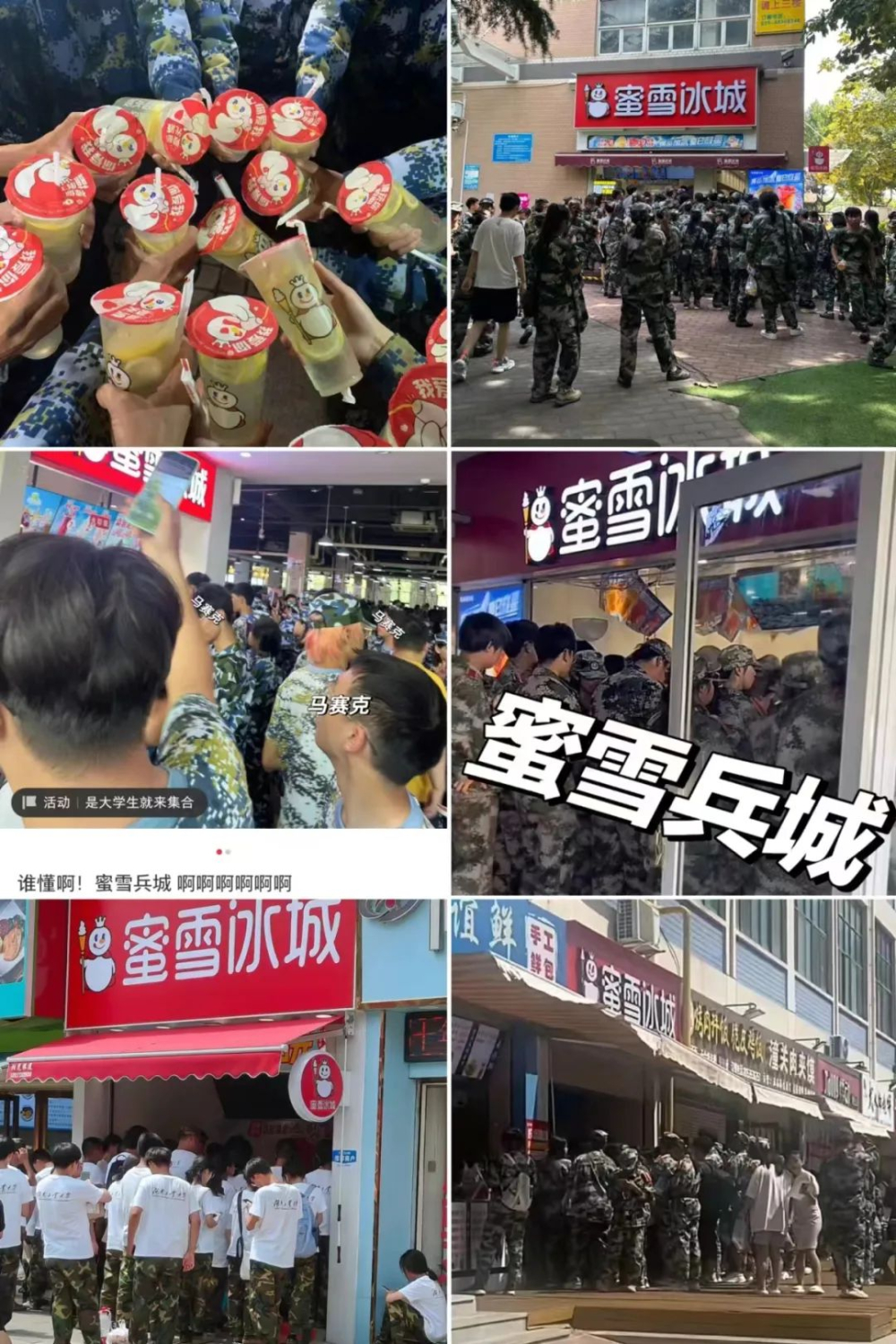
At the start of each school term, after the conclusion of military training for new students, it’s common to see waves of students swarming to beverage shops around campus. This sight has frequently sparked discussions on social media in recent years, with budget-friendly chain Mixue being humorously dubbed the “Mixue Military City” by netizens.
In fact, not just Mixue—renowned chains such as Starbucks, Cotti Coffee, Manner, M Stand, Nowwa Coffee, and Luckin have all quietly expanded their presence on university campuses. Among them,Luckin has surpassed 1,000 campus stores.Whether for a pre-class pick-me-up or an after-meal break, students can easily find a familiar coffee option.
As early as when expanding into markets in third-tier and lower-tier cities, Mixue had already set its sights on the vast potential of the student demographic, gradually cultivating consumer habits over the long term to build brand loyalty. Its dedicated coffee sub-brand, Xingyun Coffee, has even made “entering university campuses” a top priority for its national expansion, currently operating over260 campus stores nationwideand clearly positioning the campus market as a core component of its strategic plan.
Why have campuses become a hotspot that so many coffee brands are eager to capture? The answer lies in their unique commercial appeal. First, campus areas have stable and dense foot traffic, especially during peak times like class transitions and meal hours, which showcase high consumer vitality. Second, compared to city centers or bustling commercial districts, rental and labor costs around campuses are generally lower, effectively reducing operational pressures. Third, modern students face multiple pressures from academics, exams, college entrance exams, and future employment, leading to an ever-increasing demand for caffeine—making the potential for coffee consumption within campuses continually rise.
However, the essence of competition in the campus coffee market is essentially a tug-of-war centered around price. For budget-conscious students, “affordability” often trumps “premium quality.” Major brands are well aware of this, and have rolled out various promotional offers to attract young consumers.
Since entering the campus market in 2018, Luckin once set a record for “opening stores at over a hundred universities across the country overnight,” and later succeeded in establishing an image of “high cost-performance” among younger audiences through group-buy discounts, coupons, buy-one-get-one-free deals, and other promotions. Meanwhile, Mixue and Xingyun Coffee have adopted a more straightforward low-price strategy:a lemonade for just 4 yuan, Americano for 5 yuan, and latte for only 8 yuan.Such affordable pricing significantly lowers the barrier to entry, allowing even students who are relatively lenient about coffee quality to enjoy a refreshing drink without any financial stress. As one university student commented online: “It doesn’t look down on me for being poor, and I don’t look down on it for being fake.” “You can always trust Xingyun Coffee.”
It’s worth noting that the campus coffee market experiences obvious cyclical fluctuations. During winter and summer breaks, as teachers and students leave campus, store foot traffic notably declines. However, major brands have gradually developed coping strategies—such as strengthening delivery services, launching group purchase promotions, and engaging in private domain traffic management (e.g., official social media groups and membership systems)—to maintain basic operations during the off-season. These efforts also help accumulate customer loyalty, waiting for the return of students when the new term begins, leading to another sales peak.
Looking at the current campus beverage ecosystem in Taiwan and overseas Chinese markets, although the competition is fierce, brands can still find room for steady growth as long as they understand student consumption habits and seasonal demand characteristics. For consumers, in addition to keeping an eye on promotions from different brands, it’s also a good idea to try various coffee flavors to gradually develop personal taste preferences and find the most suitable pick-me-up option.
The above content is compiled by CoffeeHunters, a coffee news website.


