







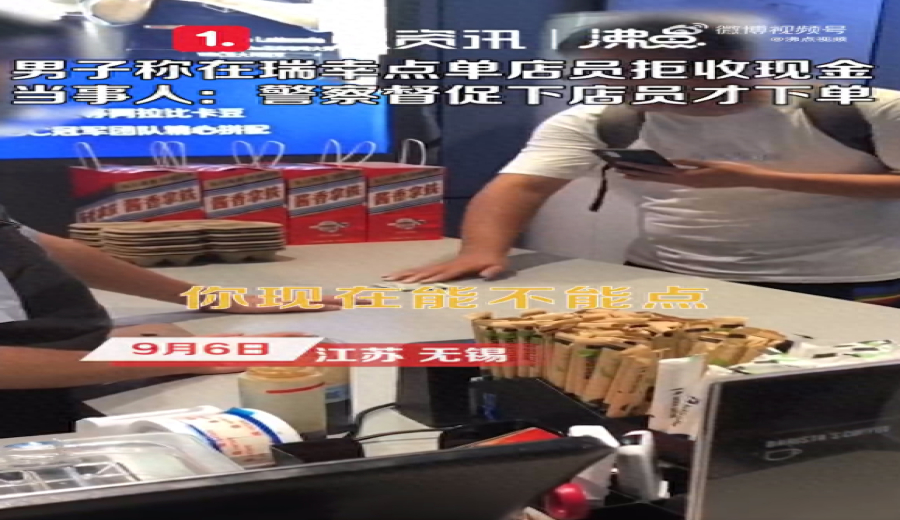
Introduction:Recently, Luckin Coffee has once again drawn attention due to a cash refusal incident. A customer in Wuxi, Jiangsu, insisted on paying for coffee with cash but was told by the staff that they must place an order through the Luckin app or mini-program. The transaction was only completed after police intervention. This is not the first time Luckin has faced controversy over cash payments. Can businesses legally refuse cash? How can consumers protect their rights? This article delves into the details of the incident and explores the relevant laws and practical operational aspects.
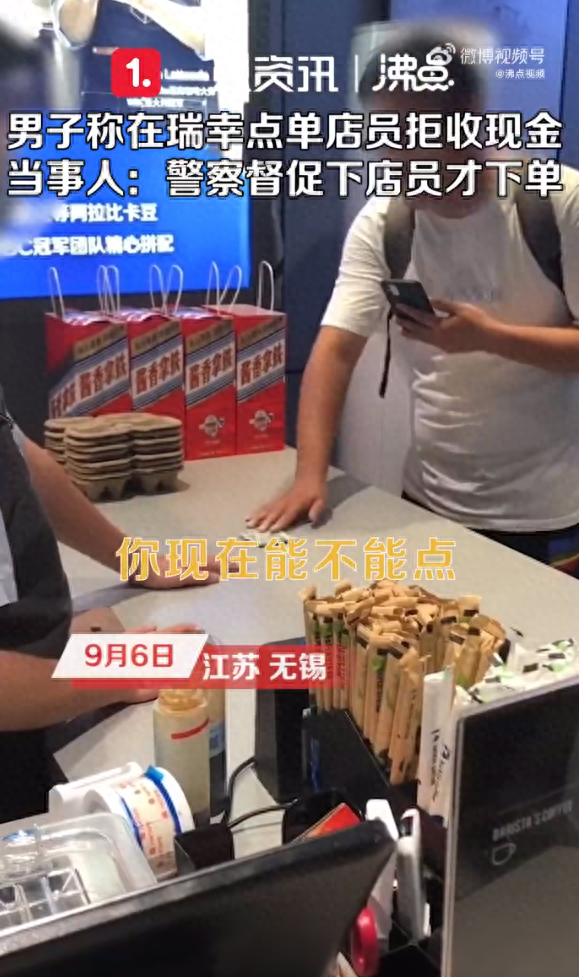
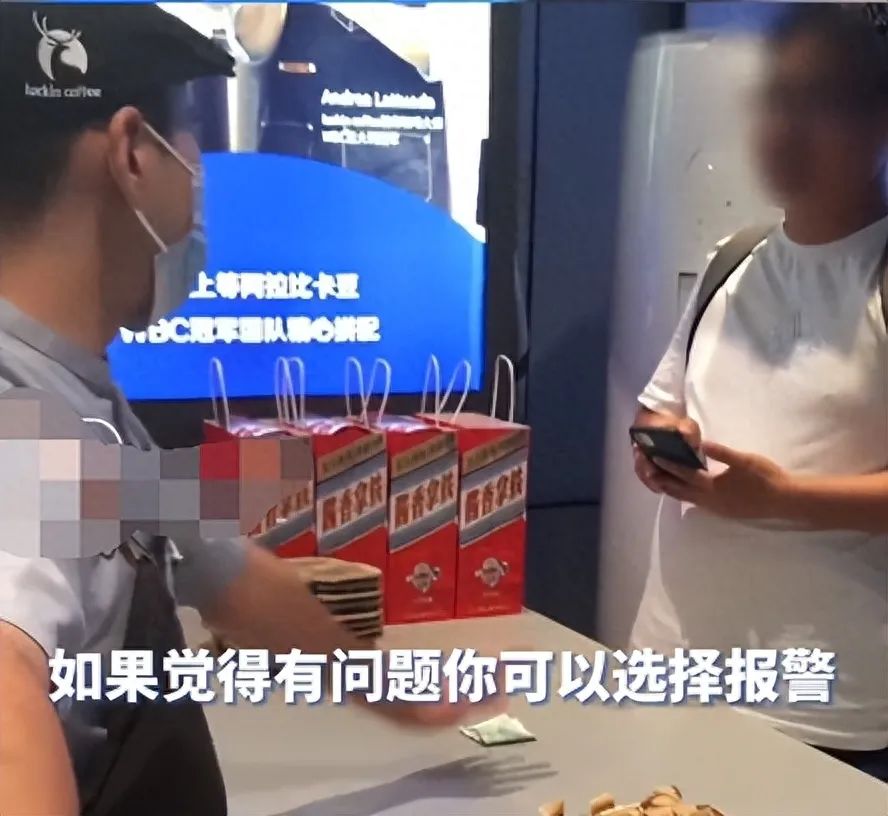
Recently, Luckin Coffee has once again become the center of public discussion following a cash refusal incident. A male customer in Wuxi, Jiangsu, attempted to buy coffee with cash at a local outlet, but the staff stated that they only accepted orders through the Luckin app or mini-program and refused to accept RMB cash. The customer, unwilling to scan a code or authorize personal information via the mini-program, insisted on paying with cash. The standoff continued until the police were called, and after mediation, the staff member finally used their own phone to operate the app and complete the transaction.
This incident is not the first time Luckin has made headlines over cash payment issues. In fact, similar cases have been reported by the public multiple times, highlighting that even with the widespread adoption of mobile payments, the acceptance of cash payments remains contentious. For consumers, understanding their rights and the responsibilities of businesses is crucial.
According to the account of the incident, the customer stated that he was willing to pay 50 yuan in cash for coffee but wanted to place the order in-store rather than through a mobile application. However, the staff clearly indicated that only online orders were accepted, refused to take cash, and further insisted that the customer use the Luckin app. The customer, unwilling to provide his phone number or authorize personal information, chose to call the police.
When the police arrived, they informed the staff that refusing cash is an illegal act. After about ten minutes of negotiation, the staff finally agreed to use their own phone and the app to place the order for the customer and complete the transaction process. While this resolution resolved the immediate dispute, it also highlighted the flexibility and practical gaps in how businesses implement their cash payment policies.
Regarding this controversy, Luckin’s official customer service responded that the brand primarily uses an online mini-program or app-based self-service ordering model, and physical stores do not have traditional order counters. However, if a customer insists on paying with cash, store staff can still assist with the operation, mainly to facilitate subsequent product after-sales services. It is worth noting that when transactions are completed in this way, customers will not be able to use any coupons, and the order process must be handled by the staff.
On social platforms such as Xiaohongshu, users have also shared real-life experiences indicating that although Luckin theoretically accepts cash payments, in practice, the order must be placed by the staff using their personal phone to operate the app, after which the customer hands over the cash. This process often leads to some outlets refusing to assist due to issues such as being unable to provide change or system limitations, thereby affecting the customer experience.
For many consumers, especially those accustomed to using cash or unfamiliar with mobile phone operations, such difficulties in cash payment not only cause inconvenience but also raise questions about the reasonableness of the business’s payment policies. Some netizens have pointed out that while mobile payments bring convenience, for the elderly or certain groups, cash remains an indispensable payment method, and businesses should not unilaterally eliminate the cash payment option.
Legal experts point out that according to relevant regulations, businesses do not have the right to unilaterally refuse to accept cash, especially without providing adequate alternatives or clear notification. When encountering such situations, consumers can seek help from the police, as well as file complaints with consumer protection agencies or relevant regulatory authorities to safeguard their legal rights.
Image source: Internet
The above content is compiled by CoffeeHunters, a coffee news website.


