








Introduction:Not sure where to start if you want to use a coffee blend to make cold brew? Cold brew is known for its low-temperature, slow extraction method, which highlights the layered flavors of coffee beans—but improper blending ratios can lead to unbalanced flavors. This article takes an in-depth look at the characteristics of cold brew, explores practical applications, examines the real-world performance of various blends—including interactions between berry notes, fermented wine-like aromas, and citrus acidity—and offers practical ratio suggestions to help you craft a cold brew that is both balanced and richly layered.
On a hot summer day, a refreshing and smooth glass of cold brew is many coffee lovers' go-to choice for beating the heat. But have you ever considered using a blend of two or more distinct-flavored coffee beans to create a uniquely flavorful cold brew? Cold brew, through prolonged extraction at low temperatures, not only delivers a richer and fuller mouthfeel but also results in a smoother overall flavor profile—though delicate fruity and floral notes can fade over time. Starting with the essential characteristics of cold brew, this article will break down the strengths and potential challenges of using blends, sharing several tested combinations—from intense berry flavors to fermented wine notes, and even the collision of dark roast nuttiness—to guide you through the multiple possibilities of blended cold brew.
 Drinking a chilled cup of coffee in the summer can be both energizing and refreshing. But have you ever thought about blending two or more types of coffee beans to create your own unique cold brew?
Next, let’s dive deeper into the unexpected expressions that blends can offer in cold brew, and explore how to use scientifically proportioned and skillfully paired combinations to craft a harmonious and layered cold brew.
The defining feature of cold brew lies in its low-temperature, long-duration extraction method. Compared to traditional hot water brewing, cold brew typically involves steeping coffee grounds in room temperature or cold water for 12 to 24 hours. This method effectively reduces tannins and the bitterness caused by over-extraction, while enhancing overall body and sweetness. However, due to the lower extraction temperature, volatile flavor compounds such as floral and citrus notes—which have small molecules—are less likely to be released, and these delicate aromas tend to diminish over time. As a result, freshly brewed cold brew often exhibits bright fruit acidity and freshness, but after a few days, wine-like and fermented notes gradually become the dominant profile.

A coffee blend, as the name suggests, is a mixture of two or more coffee beans from different origins, processing methods, or roast levels, combined in specific proportions to create a richer and more stable flavor profile. In the trend of specialty coffee that emphasizes single-origin flavors, the value of blends is often overlooked. However, for coffee shops or home brewing, blends offer three practical advantages: maintaining consistent flavor, improving the compatibility and balance of the overall flavor profile, and helping control costs. While blends are more common in espresso, they can also be flexibly used in pour over, siphon, cold drip, and even cold brew.
If you just want to make a delicious and smooth cold brew at home, then the goal is simple: find a blend with rich layers and a harmonious flavor. This requires some understanding of the flavor characteristics of beans from different origins and with different processing methods, so you can leverage the strengths of each bean, complement one another, and create a synergy where 1+1>2.
Below, we’ll share several blending experiments, exploring everything from light to medium roast fruitiness to the deep roast foundation of chocolatey and nutty notes, and how they perform in cold brew.
For example, an anaerobic sun-dried Geisha exhibits intense berry notes, and when cold-brewed, it can also bring out subtle fermented wine-like aromas; paired with a washed Morito Geisha, which offers jasmine floral notes and a tea-like texture, it theoretically enhances the overall complexity. However, practical testing showed that if the proportion of Geisha is too high, the overall flavor remains dominated by berry notes, with the floral character of the Geisha only faintly detectable right after brewing.
In another experiment, we used a raisin-processed Bahia bean, which naturally has strong dark berry flavors and intense fermented wine notes. When paired with 50% washed Red Cherry, it effectively neutralized the overly intense fermentation sensation and introduced soft citrus acidity, resulting in a more refreshing and balanced overall profile—a more successful case.
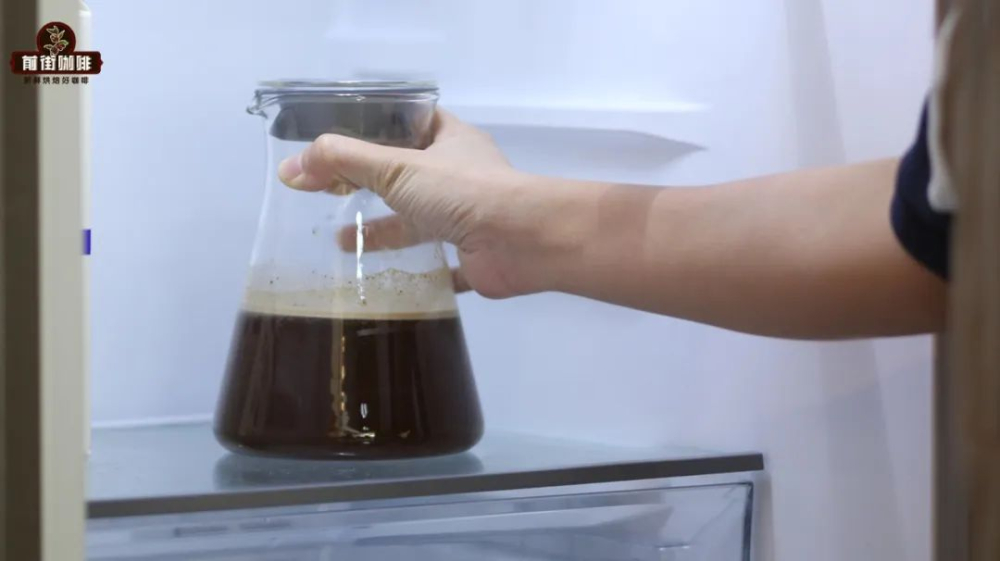
In yet another attempt, we reduced the proportion of beans with special processing methods, aiming to retain a wine-like base while introducing more floral and fruity notes. However, the actual result was not as expected: although the wine aroma remained strong, the fruity and floral acidity did not significantly improve, and the overall performance was fairly average—but still drinkable.
An even more unique experiment involved blending strawberry sugar and sun-dried Huagu at a 1:1 ratio for cold brew. The former carries a soft candy-like strawberry aroma, and when paired with Huagu, it adds not only green tea aftertaste and dark floral notes but also a long-lasting wine-like finish, resulting in a rather distinctive flavor, akin to a strawberry floral tea.
Additionally, blending the relatively thin-bodied and less sweet sun-dried Huagu with Wangshan Geisha brought out a richer profile of dark fruit notes, such as grapes and berries, while also giving the overall cup a softer fermented aftertaste.
Finally, we boldly experimented with a deep-roast Brazilian Queen Estate as the base, paired with a medium-roast washed Huashen, hoping to add floral and fruity acidity to a bitter foundation of nuts and dark chocolate. However, the actual result showed a stark contrast—the final flavor ended up being dominated by harsh peanut skin notes and only faint hints of dark chocolate, making it a wrinkled-nose experience and arguably the most disappointing combination of the tests, deserving of a “pain face” rating.
These blending experiments demonstrate the great flexibility and potential of cold brew coffee, while also reminding us of the importance of blend ratios and bean selection. Whether you’re aiming for fruity layers or a balanced richness, as long as you master the key ratios and complementary characteristics, you can also create your own unique cold brew recipe.
The above content is compiled by CoffeeHunters, a coffee news website.


