







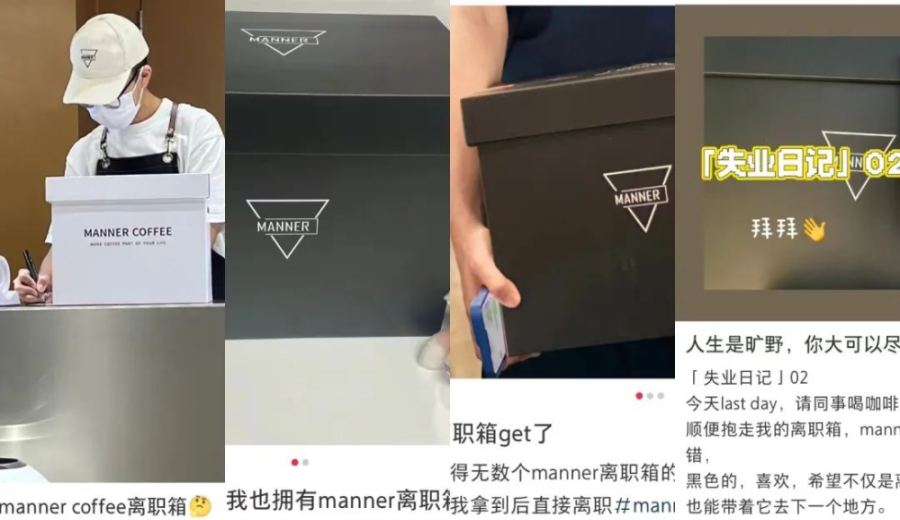
Introduction:In recent years, Manner Coffee has sparked discussions about store staffing due to its rapid expansion, particularly the one-person-per-store model that has significantly increased baristas' work pressure. This article delves into the current state of backend operations, examines the impact of intense shift scheduling on service quality, and reveals common industry challenges from both customer and employee perspectives, offering practical insights and directions for improvement.
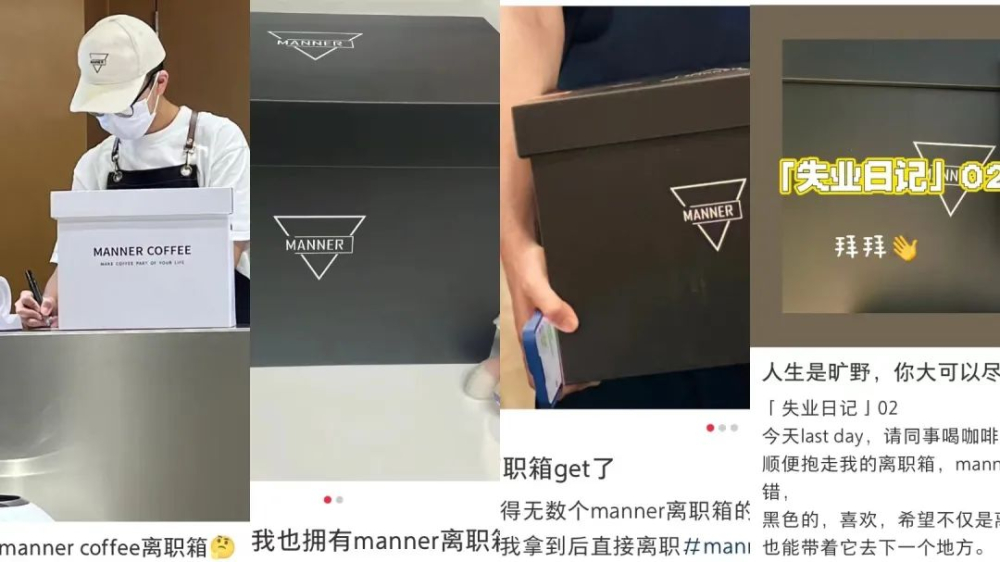
Recently, Manner Coffee has faced widespread public discourse over employee-related controversies. Numerous online posts have pointed out that during peak hours or promotional events, many stores are staffed with only one barista handling all tasks, making it difficult for employees to even find time for meals or bathroom breaks. This scheduling practice has become one of the underlying reasons for staff turnover.
Current employees have shared on social media platforms that despite overwhelming order volumes, stores continue to operate with just a single staff member. One netizen admitted, “When it gets busy, even finding time to drink water is a challenge, let alone eating or taking a break.” Others mentioned working over twelve hours a day without proper shift rotation systems in place.
The struggles are not limited to employees—customers are also experiencing a decline in service quality. Many patrons have reported arriving at stores only to find no baristas in sight, delayed order processing, and even a lack of real-time cancellation options on the mini-program, causing inconvenience on both sides. A Beijing-based netizen shared an experience where they waited over ten minutes for a barista to return, attempted to get in touch but received no response, highlighting clear bottlenecks in the service process.
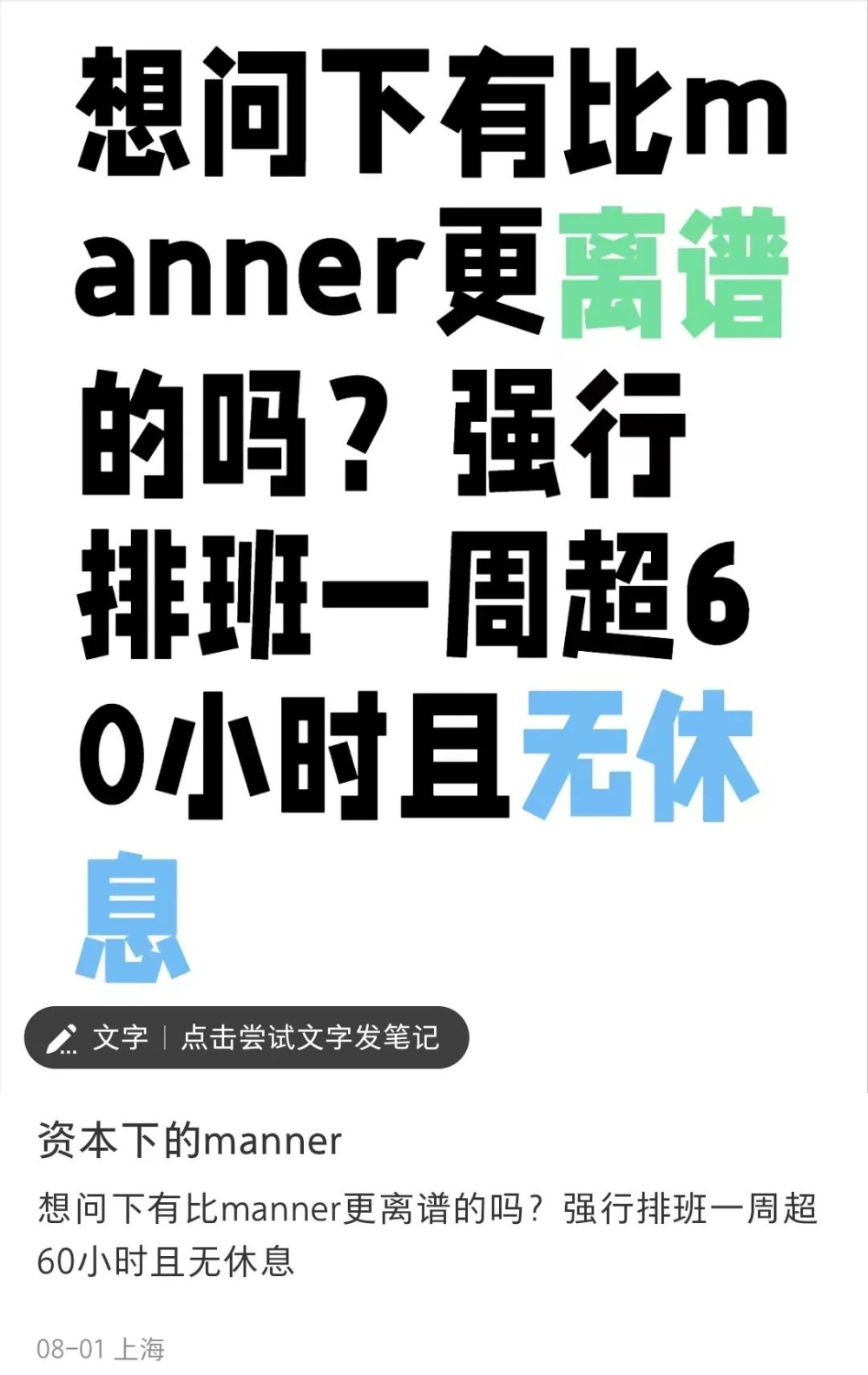
Analysts note that the “one person managing one store” phenomenon becomes especially pronounced during peak order times or promotional periods. Although the brand markets itself on offering high-value specialty coffee, its staffing levels have not kept pace with its expansion, concentrating executional pressure on individual employees. A former Manner barista revealed that some stores log over sixty working hours per week, with no fixed days off, which can easily lead to physical and mental exhaustion.
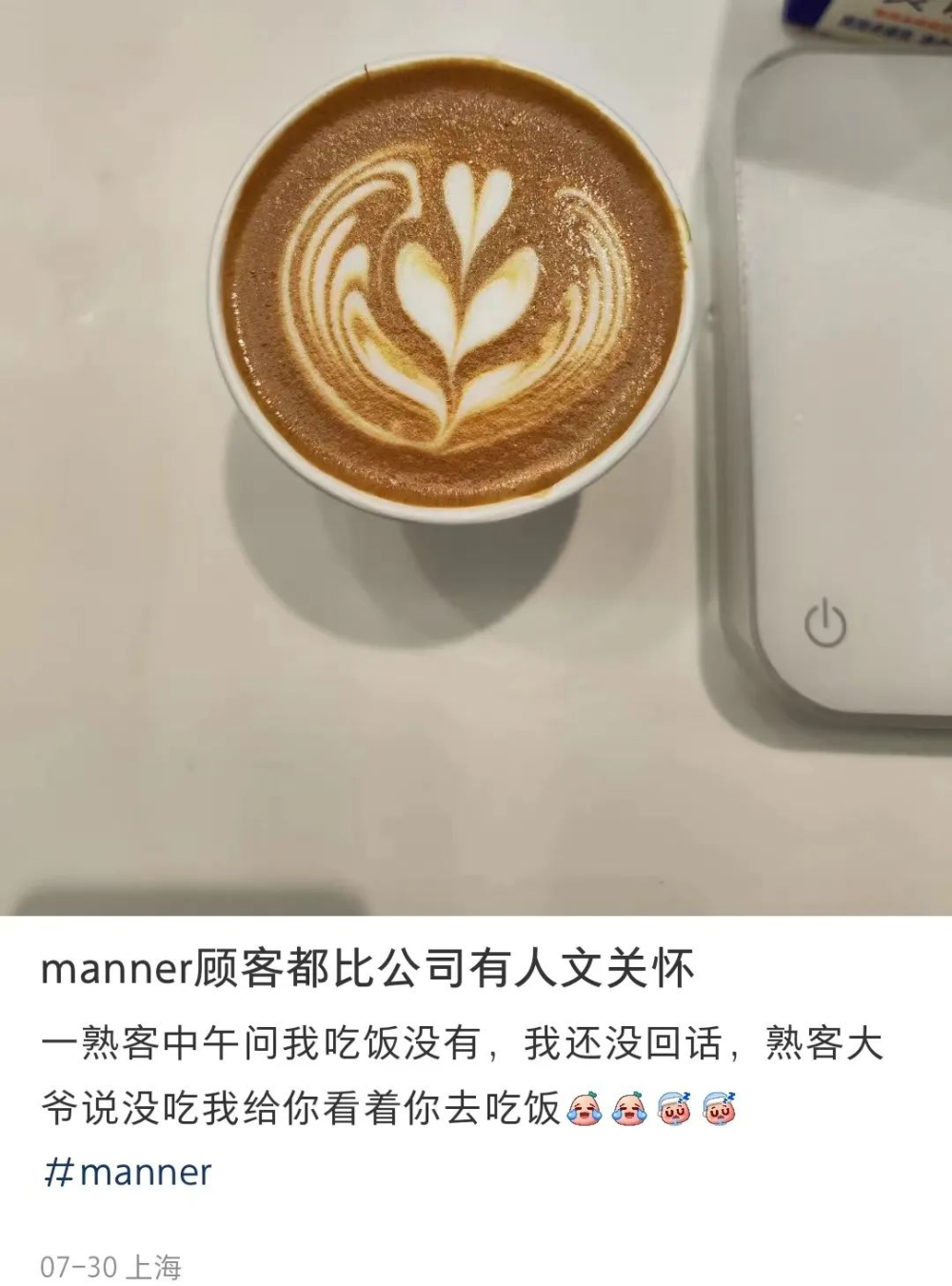
In the eyes of customers, Manner was once well-regarded for its professional and attentive barista service. Many patrons have cited the baristas’ meticulous brewing, latte art skills, and friendly interactions as key reasons for their continued visits. However, as the brand accelerates store openings and frequently launches collaboration events, its original service standards and customer experience are now being tested.
Industry observers believe that while rapid expansion can boost market share, it also poses serious challenges to back-end human resource management. Striking a balance between scaling operations and maintaining employee working conditions and customer satisfaction has become an urgent issue for the brand. Many industry insiders suggest implementing more flexible scheduling systems and staffing backup mechanisms to meet peak-hour service demands.
Additionally, customers can proactively check official channels for store operating status before visiting and stay informed about potential order processing delays, which helps manage expectations. For staff, establishing solid in-store support networks and internal feedback systems can also serve as effective ways to alleviate short-term staffing shortages.
In summary, the controversy surrounding Manner’s one-person store model reflects broader human resource challenges within the rapidly growing coffee industry. Moving forward, finding the right balance between expansion and service quality will be key to the brand’s sustainable operation.
The above content is compiled by CoffeeHunters, a coffee news website.


