







Introduction:Drip bags combine convenience with the flavor of pour over coffee, but did you know their optimal flavor window is only about 20 days? This article delves into the preservation principles of drip bags, the reasons behind flavor loss, and offers practical brewing suggestions using a 10g serving with a 1:15 coffee-to-water ratio. It also analyzes the characteristics of popular beans such as Panamanian Geisha and Huakui, helping you grasp the best timing and techniques for enjoyment.
Thanks to their ease of brewing, drip bags have become a daily choice for many coffee enthusiasts. However, questions remain about their shelf life and ideal drinking window. Why do professional coffee shops insist on grinding beans fresh rather than pre-making large quantities of drip bags? The answer lies in the science of preserving coffee flavor.
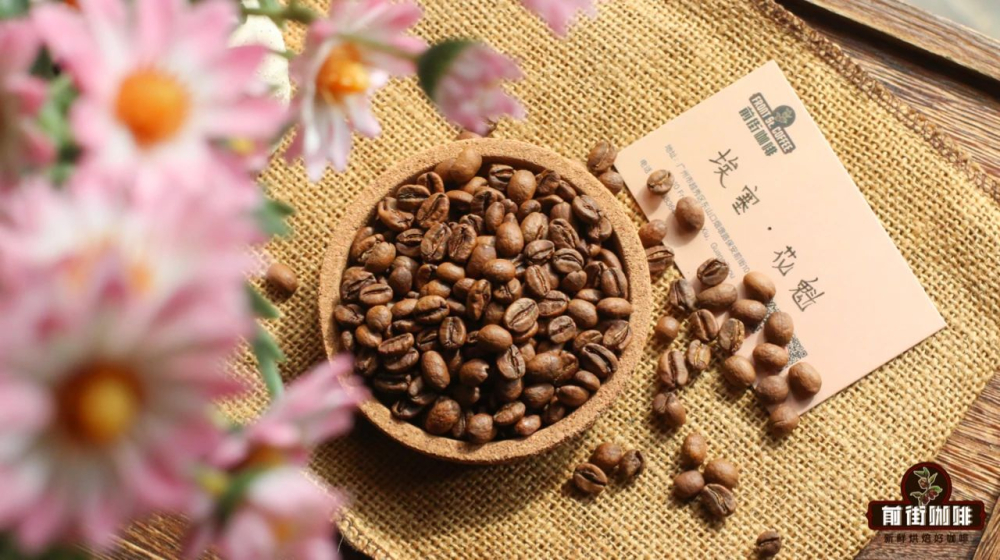
From the perspective of specialty coffee, flavor performance is far more important than mere shelf life. When selecting drip bags, consumers can choose beans with different flavor profiles based on personal preference. For those who enjoy floral notes, Panamanian Geisha drip bags are worth trying—this bean variety, hailed as the “sapphire of the coffee world,” boasts unique citrus and tea-like floral aromas. Consumers who prefer bright acidity and berry notes might opt for a certain brand’s Huakui drip bags, whose flavor profile resembles that of black tea paired with fresh berries.
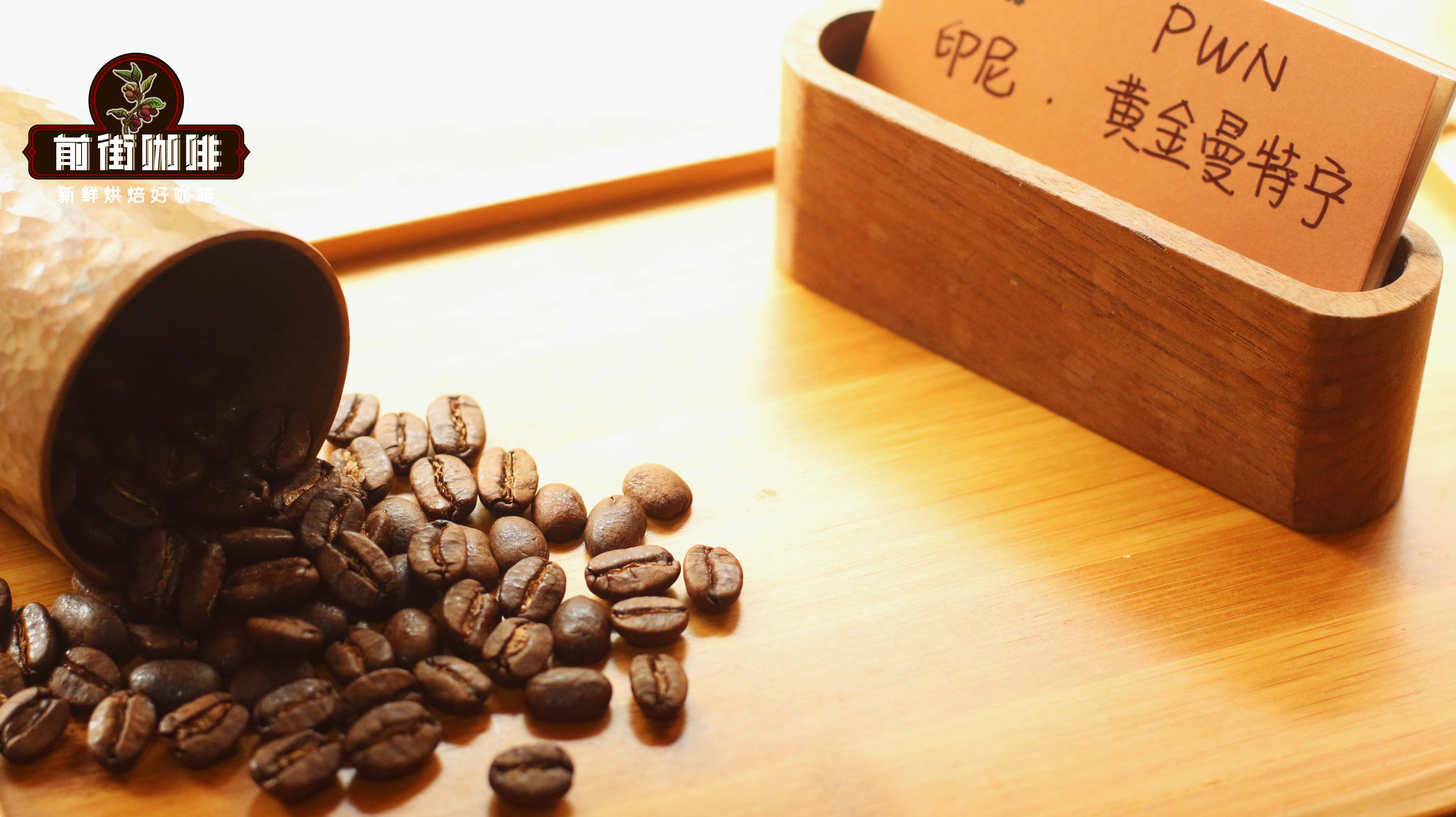
For those who prefer a balanced coffee experience, Brazilian semi-washed drip bags are a great option, with relatively mild acidity and bitterness. Meanwhile, drinkers seeking a rich body and pronounced aftertaste might want to try carefully selected Golden Mandheling drip bags—this Indonesian bean variety, subjected to multiple rounds of manual sorting, ensures high aroma purity and lingering aftertaste due to its extremely low defect rate.
Regarding brewing parameters, the standard specification is 10g of coffee per bag with 150ml of hot water (a 1:15 coffee-to-water ratio). Adjustments can be made according to personal taste: for a stronger, more concentrated brew, reduce the water to 120–130ml; for a lighter taste, increase it to 160–170ml. It is recommended to use water at 90–93°C and employ a center-pouring method to ensure even extraction.
Freshly roasted coffee beans can theoretically be labeled with a food safety shelf life of up to one year, but the key indicator that truly affects flavor quality is the “optimal flavor window.” For whole roasted beans, this golden period for drinking is usually only about 30 days—during this time, the coffee’s aromatic compounds and flavor precursors remain in their best state. However, when coffee beans are ground into drip bag form, the situation changes significantly.
According to actual test data: drip bags made from green beans roasted within 4 days will typically have their distinct flavor characteristics (such as fruity or floral notes)begin to noticeably declineafter 20–21 days (although basic sour, sweet, and bitter tastes will still be present). Special processing methods, such as anaerobic fermentation, may extend this to around 30 days, but these are rare exceptions. This explains why professional shops generally recommend consuming the product within 20 days of purchase.
The shortened optimal flavor window of drip bags is mainly due to their pre-ground nature. Once coffee beans are ground, the total surface area of the coffee powder increases exponentially, leading to the following changes: first, the carbon dioxide gas originally trapped within the beans is released at an accelerated rate; second, the contact area between volatile aromatic compounds and oxygen greatly increases, triggering rapid oxidation. These combined factors result in a significantly shorter flavor retention period for drip bags compared to whole beans.
Consumers may observe that newly opened dark roast drip bags are usually flat, but over time the packaging gradually expands—this is a clear sign of residual carbon dioxide being released. To preserve flavor to the greatest extent, professional shops employ rapid sealing processes during drip bag production and recommend using the bags as soon as possible after opening. If purchasing multi-pack sets, it’s advisable to plan usage according to daily consumption to ensure each bag is enjoyed at its peak flavor.
The above content is compiled by CoffeeHunters, a coffee news website.


