








Introduction:Dark roast coffee is often considered too bitter for pour over, but with the right parameters, you can bring out nutty and caramel notes while enjoying a rich body and sweet aftertaste. This article delves into the sources of bitterness in dark roast coffee—from the roasting stage to water temperature, grind size, and filter choice—offering practical brewing tips. Learn how to use classic beans like Golden Mandheling to brew a balanced and smooth dark roast pour over.
Walk into a modern pour over café, and bright, acidic light roasts often dominate the menu. Yet many seasoned coffee enthusiasts remain drawn to the deep, intense bitterness of dark roasts. Where does the charm of this bold black coffee come from? Why does it still have loyal fans despite its pronounced bitterness? The key lies in the flavor transformation during roasting and how precise extraction highlights its unique layers.

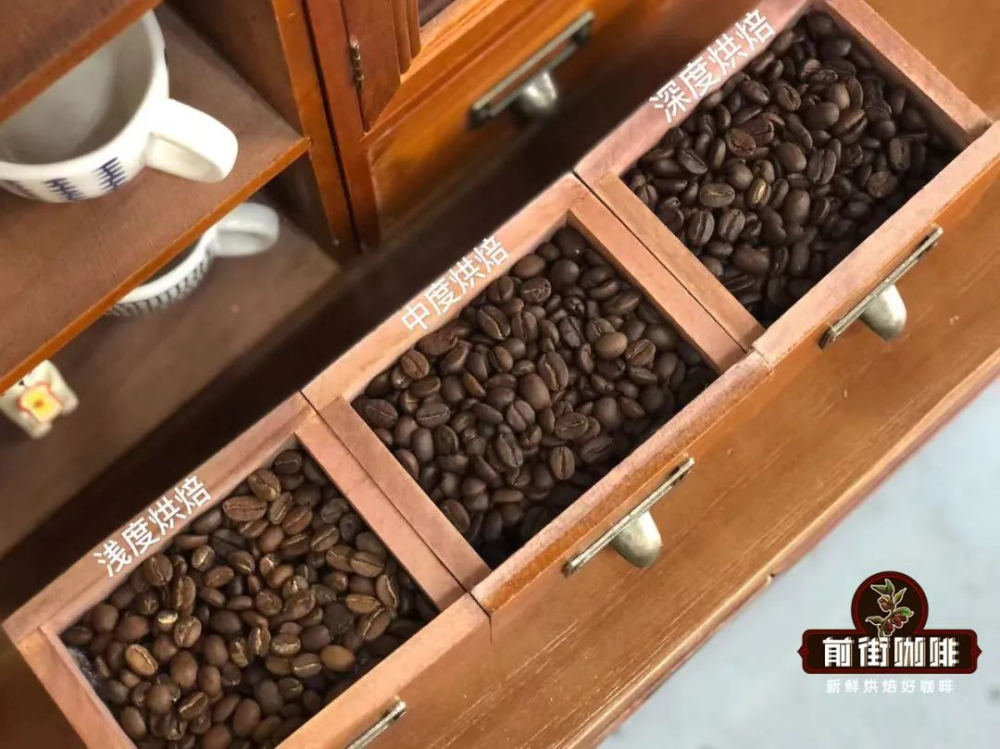
The ratio of acidity, sweetness, and bitterness in coffee is largely determined by the degree of roast. During the roasting process, when beans are heated to a certain temperature, a phenomenon called "first crack" occurs—this is the sound of internal moisture vapor and pressure bursting, and it’s an important indicator for roasters to judge heat levels. If beans are dropped at the beginning of first crack, the coffee usually presents bright fruity acidity; continuing to roast into the dense first crack phase brings out a balanced acidity and sweetness; once roasting extends beyond first crack, bitter compounds start to form in large quantities, and the longer the roast, the more pronounced the bitterness.
As roasting time increases, acidic compounds within the beans gradually break down, giving way to deeper flavors like nuts and dark chocolate. These compounds give dark roast coffee its rich, full-bodied mouthfeel—a characteristic that light roasts struggle to match. Though the overall flavor profile may be simpler, the unique roasted aroma and bold texture of dark roast still captivate many coffee lovers.
The unique value of dark roast coffee is reflected in three aspects:First is the aroma profile, which is distinctly different from the floral and fruity notes of light roasts. Dark roasts release intense aromas of nuts, caramel, toasted bread, and dark chocolate;Second is the mouthfeel, where the thick body delivers a full and satisfying sensation—an experience of richness that light roasts can’t easily replicate;Finally, there’s the aftertaste quality. When properly extracted, dark roast coffee hides caramel or malt-like sweetness behind the bitterness, creating a captivating and lingering finish.
To successfully brew dark roast coffee, the key lies in conservative parameter settings. Take the classic Golden Mandheling as an example: it’s recommended to control the water temperature at86–88°C, adjust the grind size to70% passing through a #20 sieve(equivalent to 11 on the EK43S grinder), pair it with aKono filterand a1:15 coffee-to-water ratio, maintaining a total extraction time of around2 minutes. Compared to light roasts, dark roasts require lower water temperatures and slightly coarser grinds to avoid over-extraction, which can lead to harsh bitterness.
Filter choice is equally important. Slower-flowingKono or Kalita wave filtersextend the contact time between coffee grounds and water, aiding even extraction and enhancing the rich body. During the bloom phase, ensure all coffee grounds are fully saturated, observing whether the coffee bed uniformly expands and steadily releases initial drips—this is a crucial foundation for balanced flavor extraction.
During actual pouring, it’s recommended to usea small stream and slow pace, keeping the coffee bed slightly thicker than in light roast brews while circling to avoid directly hitting the bottom layer and releasing excessive impurities. These parameter adjustments effectively reduce the risk of over-extraction, allowing the nutty and chocolatey characteristics of dark roasts to shine while preserving a pleasant sweet finish.
With the right understanding of roast profiles and extraction techniques, dark roast coffee is far from one-dimensional bitterness. By carefully controlling water temperature, grind size, and technique, any coffee enthusiast can brew a balanced, flavorful dark roast pour over at home.
The above content is compiled by CoffeeHunters, a coffee news website.


