








Introduction:Many pour over coffee enthusiasts find that even when following recommended brewing parameters, the final flavor often falls short of expectations. This is usually due to overlooking some seemingly minor yet crucial details. This article will take you through ten commonly missed operational points by beginners—from the habit of “grinder purging” before grinding, to filter paper placement, pouring technique, blooming essentials, and observing the coffee bed and crater—to help you master pour over skills more precisely and get each cup closer to its ideal flavor.
Many pour over coffee lovers face this issue: despite setting up according to suggested parameters, the resulting coffee always differs from the expected flavor. In fact, the problem often lies not in the major settings but in those easily overlooked small details—such as equipment cleanliness, pouring technique, and coffee bed distribution—all of which directly affect extraction uniformity and overall taste. Below, we’ve compiled ten commonly missed operational points by beginners to help you identify the root of the issue and improve the quality of every cup.
1. Always “Purge the Grinder” Before Grinding
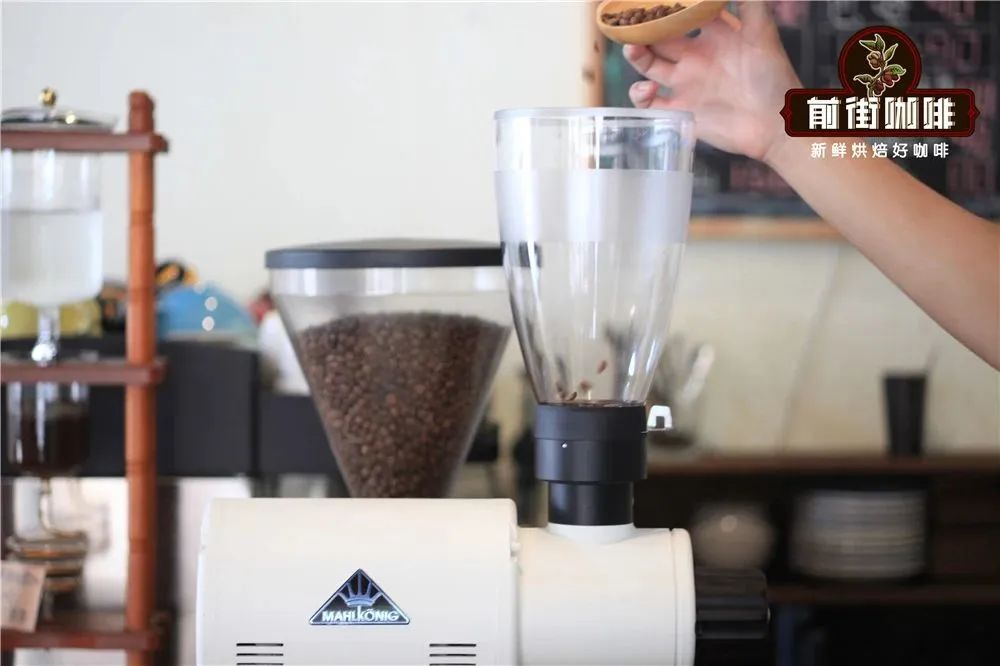
Whether using a manual or electric grinder, after multiple uses, the burrs and chute often retain fine coffee particles. If not properly cleaned, these old coffee grounds may have oxidized, carrying woody or rancid off-flavors. Therefore, before grinding the beans you’re about to use, it’s recommended to run a few raw beans or a small amount of roasted beans through the grinder to clear out residual coffee dust and ensure the fresh beans’ flavors aren’t compromised. Additionally, it’s good practice to clean your grinder regularly after daily use to maintain its cleanliness and performance.

2. Ensure the Filter Paper Fits Tightly Against the Filter Cone
Wetting the filter paper isn’t just for preheating the equipment—it’s also a key step to ensure the filter paper adheres completely to the filter cone. If the filter paper isn’t snug, the coffee grounds will have restricted degassing during blooming, and design features such as the V60’s flow-guiding ribs or the KONO’s smooth curve won’t function effectively, thereby affecting water distribution and extraction uniformity. Therefore, before pouring water, make sure there are no gaps between the filter paper and the walls of the filter cone to ensure the optimal brewing environment.
3. Minimize Tapping the Filter Cone to Avoid Fine Particle Sedimentation
To level the coffee bed, many people habitually tap or shake the filter cone. However, excessive handling can cause fine particles to settle at the bottom, clogging the water pathways and affecting water flow stability. It’s recommended to center the coffee pile over the middle of the filter cone when pouring, then gently shake it slightly after pouring to distribute the grounds evenly—avoid forcefully tapping the filter cone to prevent fine particle sedimentation from the start.
4. Double-Check Details Before Pouring to Avoid Basic Mistakes
Even experienced baristas can inadvertently affect the overall extraction due to negligence during the preparation stage. Before starting to pour, be sure to check that the server is empty, the kettle has enough water, and the scale has been zeroed before adding the coffee grounds to confirm the accuracy of the dose. These small details can help you avoid common errors and ensure the extraction stays on the right track from the beginning.
5. Use Water Immediately After Confirming Temperature to Avoid Heat Loss
Many people, after confirming the water temperature, set the kettle aside to deal with other things, causing the actual pouring temperature to drop by the time they begin. If using a pour over kettle without temperature control, it’s recommended to use water slightly hotter than the target temperature so that the kettle absorbs heat and naturally cools to the desired level, then pour as soon as possible to ensure temperature stability during extraction.
6. Strictly Follow the Planned Brewing Parameters
When planning your pour over, factors such as coffee dose, brew ratio, grind size, water temperature, and pouring stages should all be clearly defined in advance. During actual brewing, any deviation in dose, water volume, or time will alter the overall brew ratio and result in a flavor that doesn’t match expectations. Beginners are advised to strictly follow the originally planned parameters to ensure each cup reflects the intended brewing framework.
7. Ensure Full Saturation During Blooming to Release Coffee Gases
Blooming is a crucial step to initiate extraction, aiming to allow the coffee grounds to fully absorb water and release carbon dioxide. If any dry spots remain on the coffee bed, it indicates incomplete blooming, which will affect subsequent extraction efficiency and flavor expression. It’s recommended to use at least twice the weight of the coffee dose in water (for example, 30 grams of water for 15 grams of coffee) for blooming, and slightly more if necessary, to ensure all coffee particles are saturated and lay a solid foundation for the following extraction.

8. Observe Changes in the Coffee Bed Rather Than Over-Reliance on the Scale
Many people focus too much on the numbers on the scale during pour over, neglecting the actual state of the coffee bed. If you pay too much attention to gram weights and timing, leading to the water level rising above the coffee bed, the water might flow directly down the filter cone’s ribs, causing under-extraction. It’s recommended to focus on the changes in the coffee bed, ensuring water uniformly penetrates the entire bed to improve overall extraction consistency.
9. Let the Coffee Sit Before Stirring and Drinking
After brewing, the coffee in the server often varies in concentration due to differences in extraction across stages. Drinking it directly without stirring may result in inconsistent flavor from sip to sip, preventing you from experiencing the full range of flavors. It’s recommended to gently swirl the server before drinking to mix the coffee evenly, achieving a more balanced taste.
10. Taste the Flavor First, Then Evaluate the Crater Shape
Many people judge the success of a pour over based on the appearance of the coffee crater. However, the shape of the crater is influenced by various factors such as pouring technique, filter cone characteristics, and the coffee’s absorption state. A visually appealing crater doesn’t necessarily mean great flavor, and vice versa. The crater should only serve as a supplementary reference—the true determinants of coffee quality are the various parameters and operational details throughout the extraction process.
Mastering these ten details not only helps you more accurately pinpoint the causes of flavor deviations but also enables you to quickly identify issues during post-brew analysis, further optimizing your pour over process. From grinding, filter paper, pouring, to blooming—every step deserves careful attention, allowing every cup of pour over coffee to showcase its best possible flavor potential.
The above content is compiled by CoffeeHunters, a coffee news website.


