







Introduction:On a hot summer day, an iced pour-over coffee can deliver a refreshing and layered taste experience. This article starts with the basic principles of iced pour-over, delving into the characteristics of coffee beans suited for cold brewing, the golden ratio of coffee-to-water and ice, as well as key factors such as grind size and water temperature control. It also breaks down practical techniques like blooming and pulse pouring step by step. Whether you're a beginner or already experienced with pour-over, you'll learn the tricks to achieving clear flavors and a clean mouthfeel.
When summer heat strikes, many coffee lovers turn to more refreshing beverage options. Compared to traditional hot pour-over, iced pour-over not only highlights the fruitiness and sweetness of coffee but also brings a unique clarity and balance through the cooling effect of ice. This guide will walk you through how to make a vibrant iced pour-over coffee at home—from bean selection to hands-on brewing—offering a complete and practical workflow.
The charm of iced pour-over coffee lies in its ability to showcase the subtle nuances of the coffee beans, especially under low-temperature extraction where acidity becomes softer and sweetness more pronounced. However, to achieve this, bean selection is the first step. Generally, choosing beans with bright acidity, fruity, or floral notes complements the cooling effect of iced brewing. If you enjoy tea-like flavors, consider lighter or medium-light roasts; if you prefer a juicy, burst-in-the-mouth sensation, go for beans with intense fruitiness, high sweetness, and bright acidity; for those who don’t favor strong acidity, medium-dark roasts with a full and rounded body are more suitable.

In practice, the amount of ice used directly affects the final concentration and flavor profile of the coffee. Since melting ice dilutes the brew, it’s advisable to adjust the coffee-to-water ratio accordingly to maintain flavor richness. A common and practical ratio is 1 gram of coffee to 6 grams of ice and 10 milliliters of water. For example, using 15 grams of coffee beans, you can pair it with about 100 grams of ice and 150 milliliters of hot water. This ratio ensures sufficient flavor intensity and smooth mouthfeel even after the ice has melted.
Regarding grind size, iced pour-over coffee should be slightly finer than regular hot pour-over. This helps extend the contact time between water and coffee grounds, thereby improving extraction efficiency. Using a common home grinder as an example, the grind setting can be around 9.5 (exact numbers may vary by grinder model). Place the ground coffee into a filter cone that has been lined with filter paper—here, we recommend the V60 filter cone for its stable flow rate, which aids in controlling uniform extraction.

Before starting the extraction, place the intended amount of ice in the server. Fit the filter cone with filter paper and rinse it with hot water to remove any paper taste and preheat your equipment. Add 15 grams of coffee grounds into the filter cone. It’s recommended to keep the water temperature between 91 and 93 degrees Celsius. This range avoids over-extraction while fully bringing out the aroma and sweetness of the coffee. Begin with a 30-second bloom, pouring about 30 milliliters of water—approximately twice the weight of the coffee grounds—to awaken the grounds and ensure a smoother subsequent extraction.
After blooming, start the first stage of pouring. Begin from the center and slowly circle outward, aiming for a total of about 100 milliliters. The focus at this stage is to evenly saturate the coffee bed and avoid over-extracting any single area. As the water level gradually drops toward the bottom, proceed to the second stage of pouring. This time, concentrate on pouring slowly and centered, adding about 50 milliliters of water while making small circular motions to ensure consistent and stable extraction.

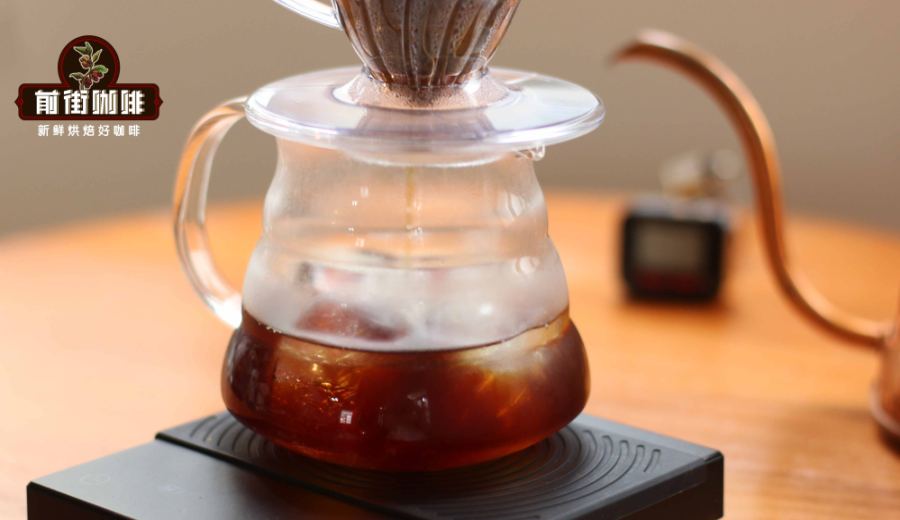
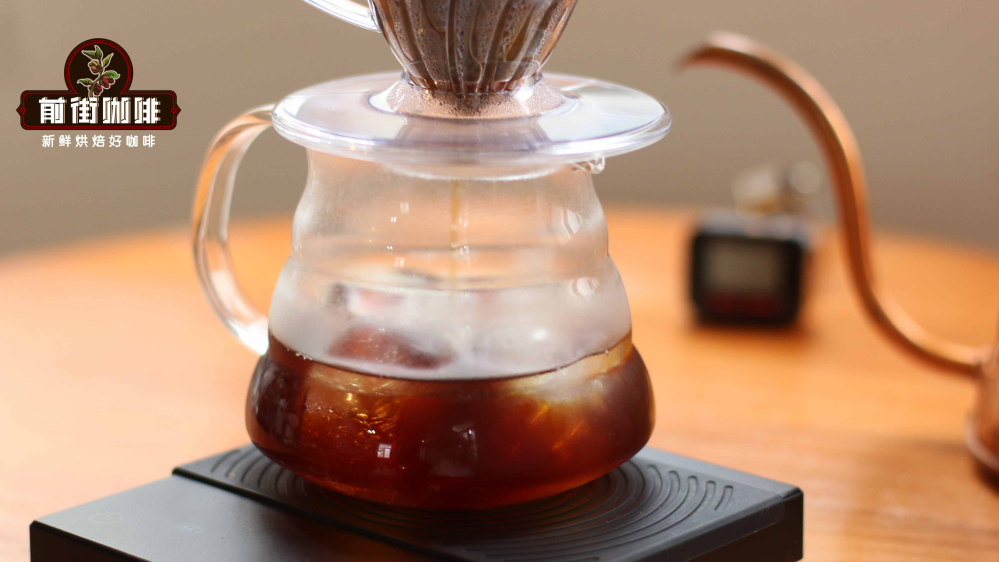
Once all the water has fully drained and the dripping is complete, remove the filter cone and gently swirl the server to allow the ice and coffee liquid to mix thoroughly. This aids in balancing the flavors and harmonizing the overall mouthfeel. Finally, pour the finished iced pour-over coffee into your cup and enjoy a crisp, refreshing summer specialty. Remember, the beauty of iced pour-over lies in the details—from bean selection to water temperature, pouring technique, and rhythm—each step influences the final outcome. Feel free to experiment with different parameter combinations to discover your favorite flavor profile.
The above content is compiled by CoffeeHunters, a coffee news website.


