







Introduction:Did you know that nearly 60% of a coffee bean’s flavor is determined by the green bean itself, about 30% comes from the roasting process, and only around 10% relies on brewing technique? Roasting is not just a skill—it’s an interpretation of the bean’s intrinsic characteristics. This article delves into the key differences between light, medium, and dark roasts, explores the ideal roast levels for different origins such as Mandheling, Yirgacheffe, and Geisha, and provides practical insights to help you identify the roast profile that best brings out the flavors through the roast curve.
The overall flavor profile of a coffee is largely shaped by three stages: the green bean itself contributes about 60%, the roasting process accounts for roughly 30%, and the final brewing step makes up only around 10%. In other words, roasting is not merely a heating process but a crucial craft that defines the personality of the coffee. For roasters, deciding how dark to roast a coffee bean is never based on a fixed formula but rather a comprehensive judgment informed by understanding the bean variety, regional flavor profiles, and market demand.
First, we need to clarify two basic concepts: First, there is no absolute standard for roast level—everyone has a different definition of “ideal flavor,” which leads to varied roasting choices; second, although there are many methods to determine roast degree, none are 100% precise. For example, common color chart comparisons, such as terms like Cinnamon, City, Vienna, and French, are widely used in the industry. However, some beans from certain origins naturally have less pigment or are prone to scorching, so even if their color appears lighter, they may actually be in the medium-dark or even dark roast range.
Additionally, many people rely on the internal discharge temperature of the roaster to judge roast stage. Yet, different brands and models of roasting machines vary in heating efficiency, hot air circulation, and evenness of heat distribution, meaning the same temperature on different machines can represent vastly different roast degrees. That’s why many professional roasters comprehensively assess the beans’ color, shape, aroma, and development time to determine the final roast level.
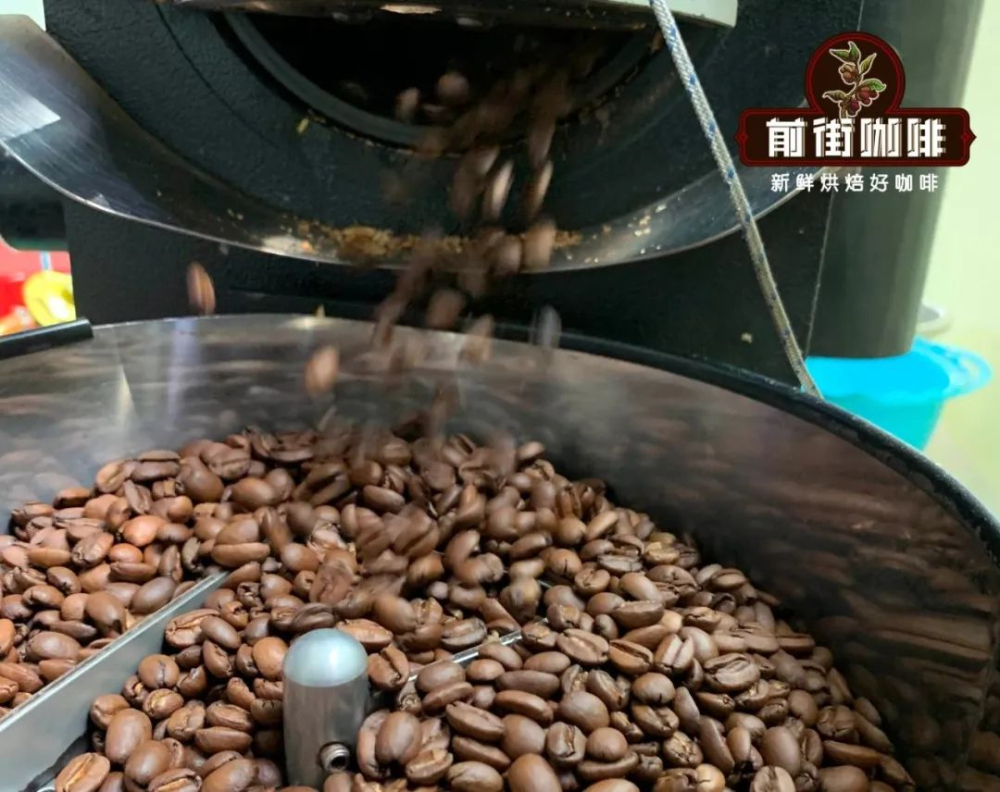
The entire roasting process lasts approximately ten to fifteen minutes, during which temperatures may rise above 200 degrees Celsius. Throughout this time, green coffee beans undergo drying, Maillard reactions, and caramelization, accompanied by significant sounds and structural changes at two critical stages: first crack and second crack. The first crack occurs when internal moisture evaporation and pressure accumulation reach a certain point, while the second crack involves deeper cell wall rupture, where the beans begin releasing more oils and complex smoky flavors.
Generally, beans discharged within a range of about ten degrees Celsius after the start of the first crack can be broadly categorized into three roast styles: light roast, medium roast, and dark roast. However, this three-way classification isn’t absolute—sometimes a difference of just two or three degrees in discharge temperature can lead to vastly different flavors and appearances. Therefore, when judging roast level, it’s important to consider the beans’ color, shape, and final flavor expression together.
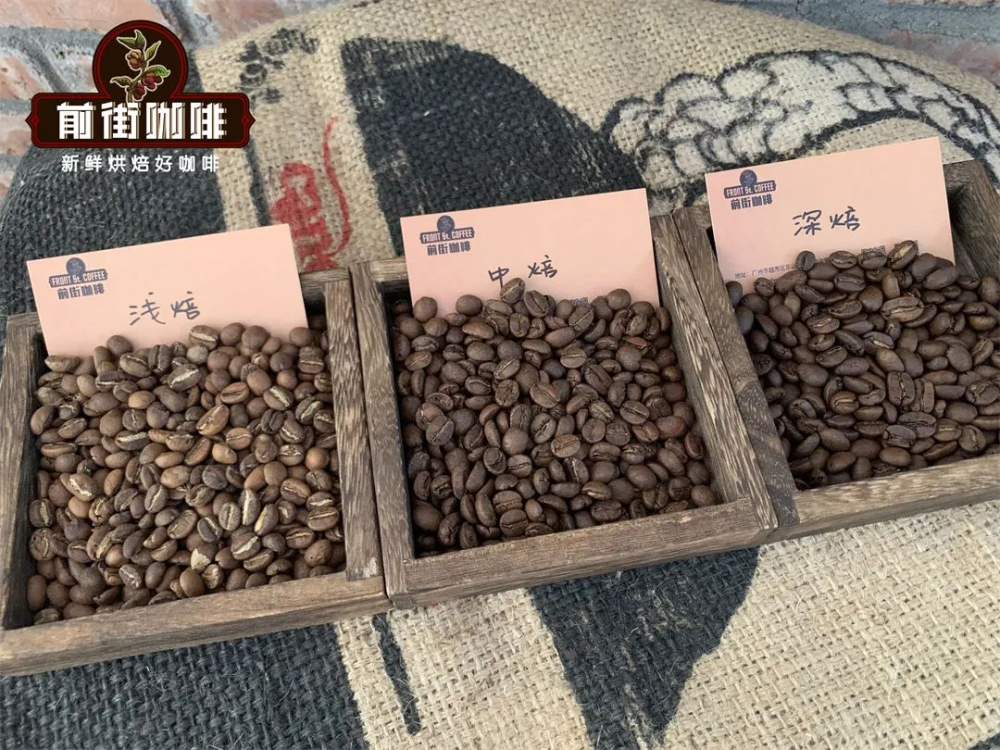
Light roast typically exits the roaster in the middle to late stage of the first crack. At this stage, the coffee retains the most of its original characteristics, especially bright acidity and floral notes. At this point, compounds like chlorogenic acid have not yet fully decomposed, resulting in a crisp acidity with very low bitterness, making it ideal for those who prefer a refreshing and vibrant cup. In terms of development time, light roast usually allows only minimal Maillard and caramelization reactions, so the flavor profile leans toward natural fruitiness and herbal notes.
Medium roast lies between the end of the first crack and just before the second crack. This stage is a mainstream roast choice for many specialty coffees. The Maillard reaction and caramelization gradually intensify, leading to a more pronounced balance between acidity and sweetness, along with the emergence of warm-toned flavors such as caramel, nuts, and chocolate. This phase preserves some fruit acidity while allowing the coffee’s body and sweetness to shine, making it the “golden zone” that many baristas believe best showcases the bean’s inherent potential.
Dark roast refers to the stage entering the second crack or even beyond. At this point, caramelization reactions begin to stabilize, giving way to Maillard-driven intense flavors such as resinous notes, spice tones, carbonized sensations, and a heavier mouthfeel. Dark roast beans generally feature low acidity, high bitterness, and high body, and pair easily with milk, making them widely used in espresso or milk-based drinks like lattes.
So, why do beans from different origins have varying “ideal roast levels”? The answer often lies in historical background and varietal traits. Take Indonesia’s Mandheling, for example. This classic bean from Sumatra, known for its full body, low acidity, and unique herbal and spicy notes, is perfectly highlighted through dark roasting. Dark roast enhances its earthy and woody aromas while accentuating its renowned sweet aftertaste. Using a light roast instead might cause its acidity to dominate, undermining its inherently steady character.
In contrast, Ethiopia’s Yirgacheffe has a completely different personality. Known for its bright floral and citrus acidity, light roast maximizes the preservation of its unique single-origin fragrance and lively fruity acidity. Since Yirgacheffe beans vary in size, light roasting also helps avoid over-roasting the smaller beans, ensuring consistent flavor across the batch.
Geisha is another classic case. This top-tier variety from Panama boasts exceptional floral and fruity aromas with a tea-like quality. Its slender bean shape results in slower heat conduction, usually requiring longer development time than average beans. Many roasters opt for medium-light to medium roast to fully express its complex aromatic layers while preserving its refreshing essence.
In summary, a roast curve is not just a combination of temperature and time—it is an art form that reflects a deep understanding of the beans’ characteristics and an expression of flavor. Whether you’re a coffee enthusiast just getting started or a buyer aiming to refine your bean selection strategy, understanding how different roast levels influence flavor can help you make smarter decisions when tasting or choosing coffee.
The above content is compiled by CoffeeHunters, a coffee news website.


