







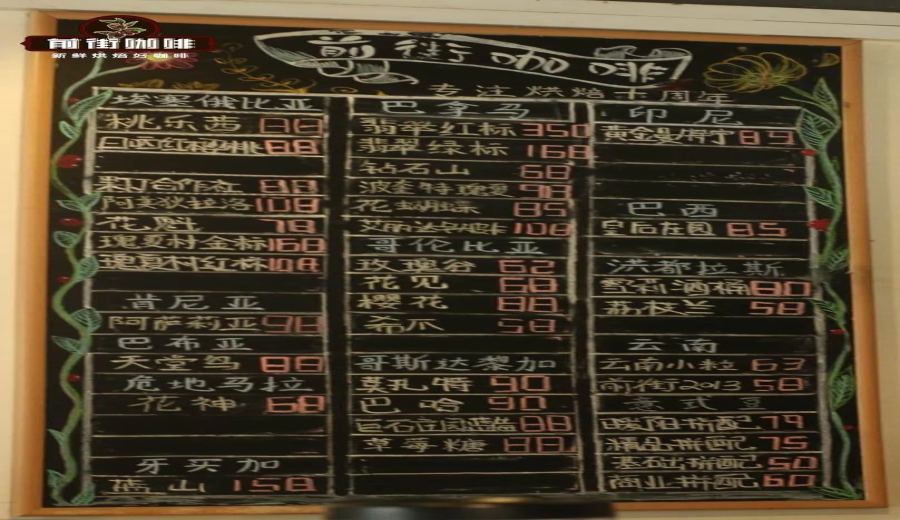
Introduction:Just getting started with pour over coffee and feeling overwhelmed by the vast selection of beans? This article helps beginners systematically narrow down their choices from four key aspects—origin, processing method, roast level, and price—and analyzes how different combinations influence flavor through real examples. This way, you can easily pick your first pour over bean and develop a clear purchasing mindset.
For those just beginning to explore pour over coffee, stepping into the world of coffee beans can quickly feel confusing, with so many options in origin, processing methods, and roast levels. Which country’s beans should you choose? Should you go for natural, washed, or honey processed? And what about roast level—light, medium, or dark? Add to that a long list of flavor descriptions, and it's easy to feel lost. This article will guide you through four essential factors—origin, processing method, roast level, and price—to help you more efficiently select an entry-level coffee bean that suits you and understand the flavor profiles they may offer.
Origin and Region: The First Step in Determining Flavor Foundation
The regions around the world suitable for growing coffee are primarily located within the "coffee belt," spanning from 25° north to 25° south latitude, covering approximately 79 countries and regions. Each producing area, due to differences in altitude, climate, soil, and other natural conditions, produces coffee beans with notably different characteristics—including acidity, sweetness, body, and aroma. Therefore, when selecting coffee beans, it is recommended to start by considering your preferred overall flavor style.
If you enjoy bright, refreshing coffees with floral, citrus, or berry aromas, regions such as Ethiopia and Kenya in Africa, or Panama in Central America, are great choices. These often benefit from medium-light roasts, which better highlight these characteristics. If you prefer rich, bold flavors with notes of nuts, chocolate, or caramel, then dark roasted beans from regions like Brazil, Indonesia, or even Jamaica may suit your taste more. For those seeking a more balanced acidity and bitterness with a soft and round mouthfeel, medium-roasted beans from places like Papua New Guinea, Yunnan in China, or Costa Rica usually offer a gentler and more approachable flavor profile. In fact, choosing beans from a specific origin often already implies a certain roast style preference.

Processing Method: Same Origin, Different Flavor Profiles
Even coffee beans from the same farm or mill can exhibit vastly different flavor profiles based on the processing method used. Common processing methods include traditional natural (dry), washed, and honey processes, as well as more recent innovations like anaerobic fermentation, wine barrel fermentation, and enzyme treatments.
The natural process involves drying the entire coffee cherry until its moisture content drops to 12%, then removing the husk. This method retains the maximum amount of sugars and flavor compounds from the fruit, resulting in beans that typically have rich sweetness, fruity notes, and complex layers. The washed process, on the other hand, removes the outer skin and part of the pulp first, then ferments to remove the mucilage before drying, resulting in higher acidity and a cleaner, crisper flavor. This is the standard processing method for many origins aiming to showcase their “original” flavors. The honey process falls somewhere in between—it retains the mucilage layer during drying, does not involve direct water contact, but brings out more pronounced sweetness and smoother, softer flavors.
As for anaerobic processing, it involves fermentation in a low-oxygen environment, which can bring out unique berry, floral, or even tropical fruit flavors. Wine barrel fermentation, meanwhile, involves post-harvest fermentation inside wine barrels, often yielding noticeable winey tones and chocolatey aftertastes. For beginners, it's recommended to start with washed and natural processes. Washed helps you understand the fundamental flavor profile of the origin, while natural adds more aroma and complexity—a process often prioritized when designing everyday beans.

Roast Level: A Key Parameter Directly Influencing Flavor Expression
Even the same coffee bean, depending on its roast level, can yield vastly different final flavors. Generally speaking, light roasts preserve more acidity and original fruity and floral notes, making them ideal for highlighting regional characteristics. Medium roasts strike a balance between acidity and bitterness, with caramelization reactions just kicking in, bringing more sweetness and complex flavors. Dark roasts enhance bitterness, sweetness, and body, often preferred by those who enjoy bolder, more intense cups.
Take Ethiopia’s Yirgacheffe as an example. To showcase its distinctive lemon and citrus acidity along with vibrant floral and fruity notes, it is typically roastedlight. Meanwhile, medium-roasted beans like Papua New Guinea’s “Bird of Paradise” develop sweet, toasty notes through caramelization and Maillard reactions, retaining a hint of acidity, resulting in distinct flavor layers and a smoother drinking experience.Dark roast, represented by Indonesia’s Golden Mandheling, achieves a rich caramel and nutty profile through high-temperature, long-duration roasting. It delivers a full-bodied, smooth cup, making it a favorite among many serious coffee enthusiasts.
Price Consideration: Practical Advice for Beginners
For those just starting out in pour over coffee, if you’re not yet familiar with extraction techniques or flavor identification, it’s advisable to begin with good value entry-level beans. This not only reduces the cost of potential mistakes but also helps you accumulate hands-on experience. While expensive single-origin specialty beans offer rich flavors, they may not fully express their potential if your technique or equipment isn’t up to par, which could end up discouraging you.
It is recommended that beginners prioritize affordable, representative beans that are easy to brew consistently and can serve as reliable daily practice beans. As your skills improve over time, you can gradually explore more advanced, high-priced beans with complex flavors, building your own list of preferred coffee beans step by step.
The above content is compiled by CoffeeHunters, a coffee news website.


