







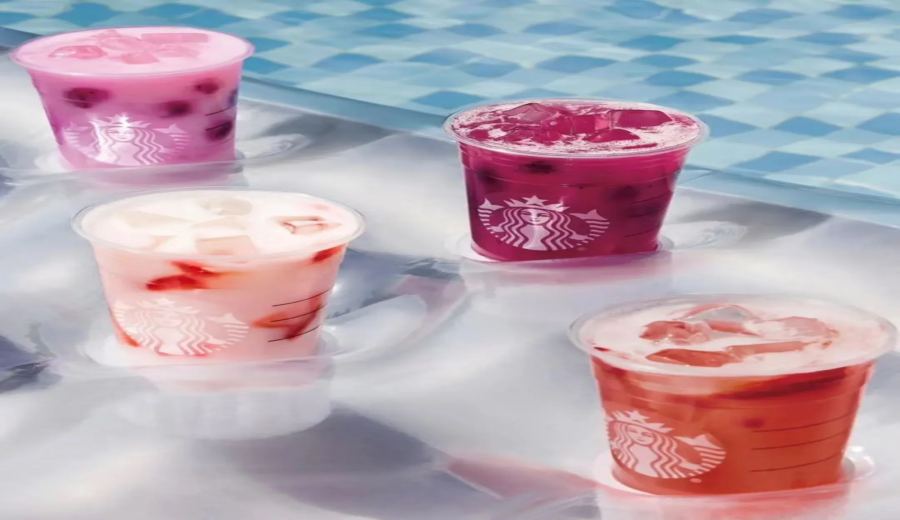
Introduction:Starbucks' recently launched Pink Drink and Pinkberry Lemonade Yerba Brew debuted in Taiwan on their first day of release, sparking a wave of online discussion. Many consumers reported significant differences in flavor between the Taiwanese versions and those available internationally, and expressed confusion over the term "Yerba Brew." This article will delve into the actual ingredients of these two drinks, explore the reasons behind the disparities between the Taiwanese and international versions, and uncover the mystery behind why the “Yerba Brew” has no discernible coffee taste. The goal is to help readers better understand the product features and make more informed purchasing decisions.
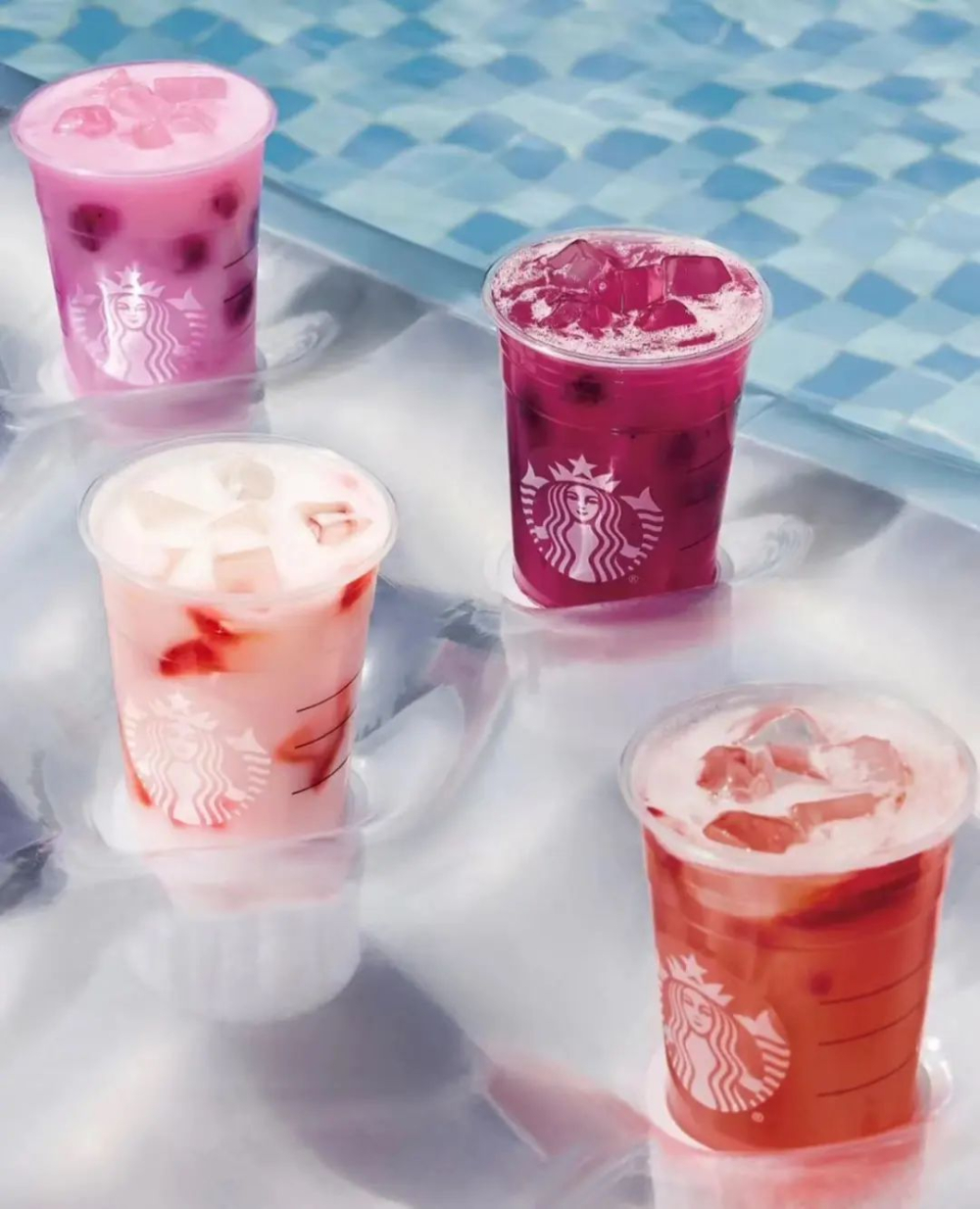
Starbucks’ new Pink Drink became a hot topic on its first day of launch in Taiwan, but the conversation was not without criticism. Many customers noted that the flavor of this drink was noticeably different from what they had tried in other regions, with some even describing it as tasting like medicine. In addition, the newly released Pinkberry Lemonade Yerba Brew also faced scrutiny for its underwhelming taste, with feedback highlighting a lack of natural fruit aroma, an insufficient amount of dried strawberry pieces, and overall performance falling short of expectations.
Many users took to social media platforms to share their experiences, pointing out that the sweet-and-sour profile of the Taiwanese Pink Drink was not as vibrant as in other markets. The combination of strawberry and yogurt drink lost the layered flavors it should have, resulting in a flat taste with a noticeable watery texture. Meanwhile, the Pinkberry Lemonade Yerba Brew was criticized for having a medicinal-like strawberry aroma, far from the refreshing taste of natural fruit, leaving many disappointed.
Some analysts have suggested that this gap might be related to the highly competitive market for new-style tea drinks in Taiwan. Compared to Europe and the United States, Taiwanese consumers have easier access to a wide variety of flavored fruit teas and thus tend to have higher expectations for beverage quality. Adjustments made by Starbucks in Taiwan—including lowering sugar content and switching ingredient suppliers—may also be key factors contributing to the flavor differences. Some customers argue that even with such adjustments, a baseline standard of flavor quality should still be maintained.
Regarding the name "Yerba Brew," many customers mistakenly assumed the drink would contain a noticeable coffee flavor. In reality, "Yerba Brew" refers to juice that contains an extract derived from unroasted coffee beans—but this extract itself has no distinctive taste. This is precisely why the drinks do not taste of coffee at all. One barista once tried brewing unroasted coffee beans with water, only to find that they emitted a grassy scent and tasted unpleasant. As a result, Starbucks chose not to include any unroasted bean extracts that could negatively impact the flavor of the beverages.
It’s worth noting that when unroasted coffee beans are directly brewed or boiled, they typically emit only a grassy, raw aroma, with almost none of the rich, classic coffee flavor one would expect. This explains why Starbucks uses such extracts without imparting any coffee-like characteristics to the drinks. When consumers see the term "Yerba Brew," they should not immediately assume a coffee flavor, but rather understand that the ingredients include this type of extract.
Additionally, some netizens believe that even without extra adjustments to sweetness or acidity, the Taiwanese version of the Pink Drink still holds some appeal for those who prefer sweet beverages but want to manage their sugar intake. The adjustment of the sweet-and-sour balance may be an attempt to cater to local taste preferences—though such changes have also sparked comparisons and controversy when compared to the international versions.
In summary, the initial release of Starbucks’ Pink Drink and Pinkberry Lemonade Yerba Brew in Taiwan has generated considerable discussion, primarily centered around flavor discrepancies and misunderstandings about the product names. When making a purchase, consumers can refer to the actual ingredients and the background behind the flavor adjustments, adopt a more practical perspective on the product's characteristics, and make choices based on their personal preferences.
The above content is compiled by CoffeeHunters, a coffee news website.


