







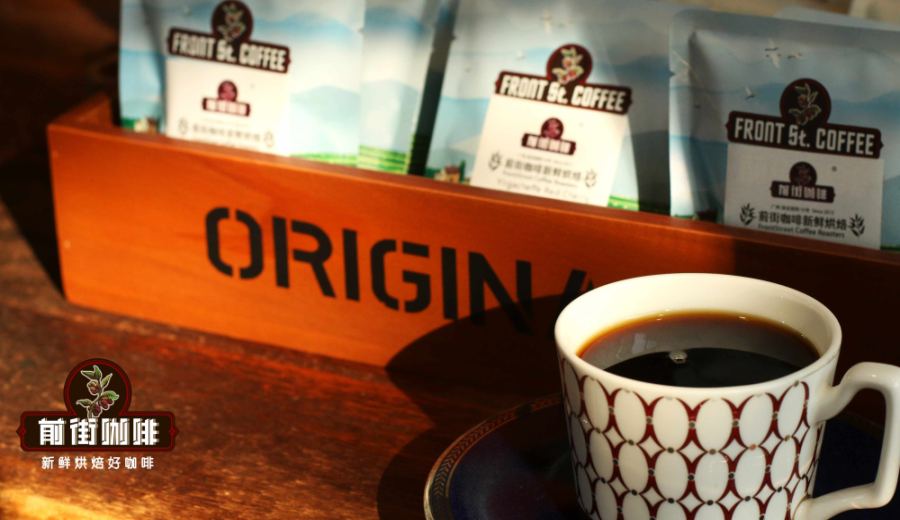
Introduction:Want to brew a great cup of pour over coffee at home but don’t know where to start when it comes to choosing equipment? This article addresses common beginner questions by systematically introducing practical buying tips for key tools such as grinders, pour over kettles, filter cones, filter papers, and digital scales. It also provides budget allocation strategies and beginner-friendly coffee bean recommendations to help you build an efficient and user-friendly brewing setup within a reasonable budget.
Many coffee enthusiasts have had this experience: they start by enjoying a freshly brewed cup at a café, but soon become curious — “Can I make a great cup of coffee at home too?” When you open your browser and face the overwhelming array of pour over tools, do you feel at a loss? This article will take a practical approach to help you understand the core equipment needed for pour over brewing — including grinders, kettles, filter cones, filter paper, and scales — and provide clear guidance on what to buy based on your budget and needs, making it easy for you to assemble a starter brewing system.
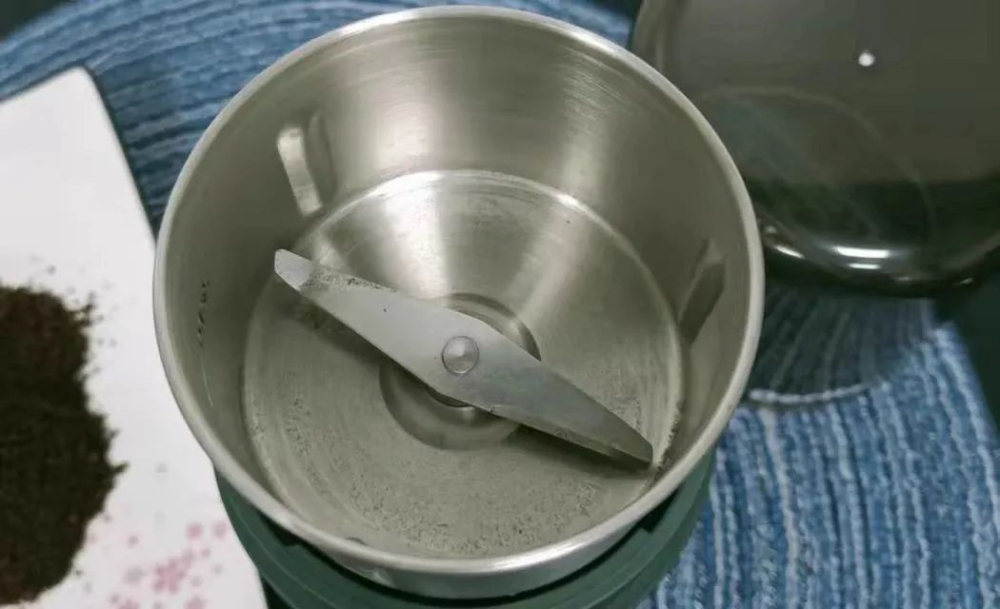
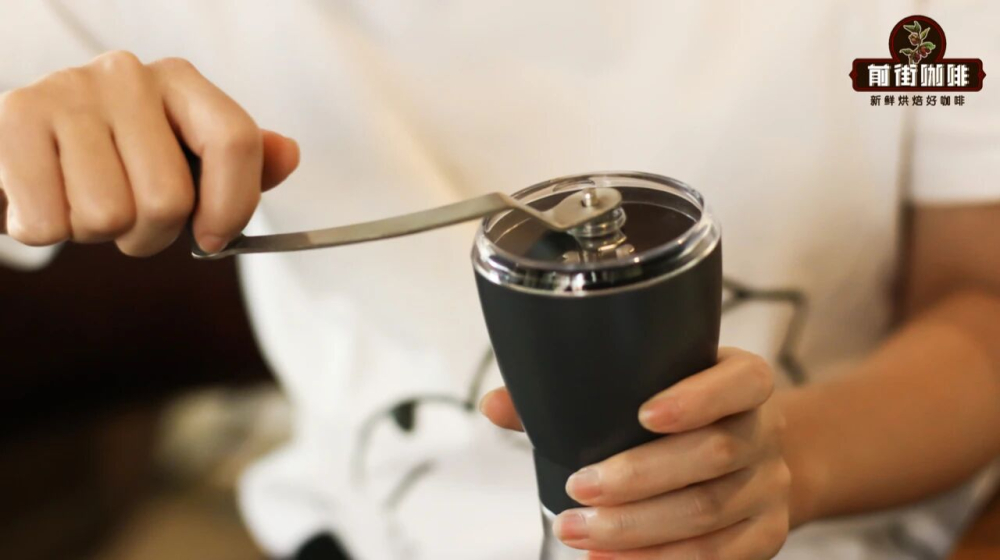
First of all, no matter how much your budget is,the grinder is definitely the piece of equipment worth investing in the most. Why? Because the evenness of the grind directly affects the extraction result of the coffee. If the ground coffee particles vary greatly in size, some will be over-extracted while others under-extracted, which impacts the overall flavor balance. Many beginners, due to budget constraints, choose cheap hand grinders or non-specialized “bean choppers,” but these tools often fail to provide a consistent grind size — they’re not only laborious to use, but also tend to produce uneven coffee grounds. In fact, the price difference among grinders mainly comes down to burr design; high-quality burrs ensure a uniform particle size distribution, thereby improving overall extraction efficiency. For beginners, it’s recommended to choose a hand grinder priced no lower than 200 RMB, and you can use a standard sieve (such as a No. 20 sieve with a 0.85mm hole diameter) to conduct a sieving test to confirm grind uniformity.
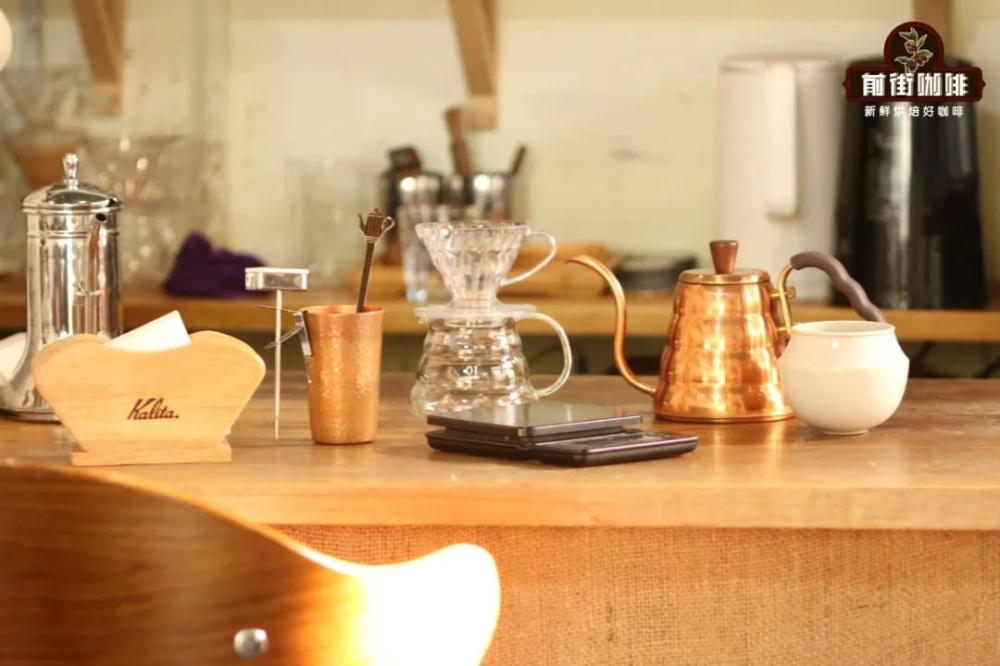
Next is the choice of pour over kettle. For beginners, the spout design and kettle capacity are two key factors. It’s recommended to prioritize a gooseneck spout kettle, as its narrow spout allows for more precise control over water flow and pouring angle, reducing the chance of mistakes. In addition, the size of the kettle body also affects handling stability — a kettle that’s too small may wobble due to an unstable center of gravity, while one that’s too large can be heavy and unwieldy. A capacity of around 500–600ml is generally recommended. If you already have a reliable heat source at home, you can opt for a non-heating model to save on budget, such as the common b-kettle non-temperature-control version, which usually costs less than 300 RMB. You’ll just need to pair it with a fast-response thermometer to monitor water temperature.
Although filter cones and filter papers don’t directly influence extraction efficiency as much as grinders do, they are still an important part of the setup. The design of the filter cone affects the speed of water flow and how the coffee grounds layer spreads. For beginners, it’s recommended to choose a durable and cost-effective resin V60 filter cone. As for filter papers, although the actual difference between major and minor brands is limited, choosing products with a milder paper taste can help avoid interfering with the coffee’s original flavors — bleached filter papers are recommended for their less noticeable odor. Make sure the filter paper size matches the filter cone model, for example, a V60 cone should be used with filter paper of the corresponding diameter.
Additionally,a digital scale is a tool many beginners overlook but it’s extremely important. Without accurate weighing and timing, it’s easy for variations in coffee-to-water ratio or brew time to lead to significant differences in flavor from one brew to the next. It’s recommended to choose a fast-response digital scale with a built-in timer — it will not only help you manage the coffee-to-water ratio (typically suggested at 1:15 to 1:17), but also allow you to track brew time and further adjust your technique. As for the server, while it doesn’t affect the flavor of the coffee itself, if you want to add a sense of ritual to the brewing process, you can choose a professionally designed coffee server, typically priced between 100–150 RMB.
When allocating your budget, beginners can adopt a strategy of “prioritizing the grinder and keeping the rest basic,” putting most of your funds into the grinder while starting with entry-level versions of other tools. Through hands-on use, you can gradually familiarize yourself with the characteristics of different beans and how extraction varies, then upgrade your equipment step by step. Especially for those new to pour over brewing, it’s advisable to first try out everyday-grade beans from various regions and processing methods, rather than expensive competition or auction-grade beans. This way, you’ll not only accumulate flavor recognition experience, but also avoid losing interest due to overly complex flavors.
As for coffee bean selection, beginners might want to start with single-origin beans — typically a half-pound pack (around 227 grams) is ideal for practice and sampling. Different regions, varieties, processing methods, and roast levels can all significantly affect the balance of acidity, sweetness, bitterness, and aroma. If you enjoy pronounced fruity acidity, you can try Ethiopian Yirgacheffe; for softer, sweeter acidity, Costa Rican Tarrazu or Rwandan Red Bourbon are good choices; if you prefer lower acidity, Yunnan small beans are an ideal entry option; for those who like nutty and chocolatey notes, Brazilian Cerrado or Colombian Huila are worth trying; and if you’re after a full-bodied taste without too much acidity, Indonesian Mandheling is a solid pick. By exploring these varied flavors, you’ll gradually discover your preferred brewing style and lay a solid foundation for deeper coffee exploration in the future.
The above content is compiled by CoffeeHunters, a coffee news website.


