







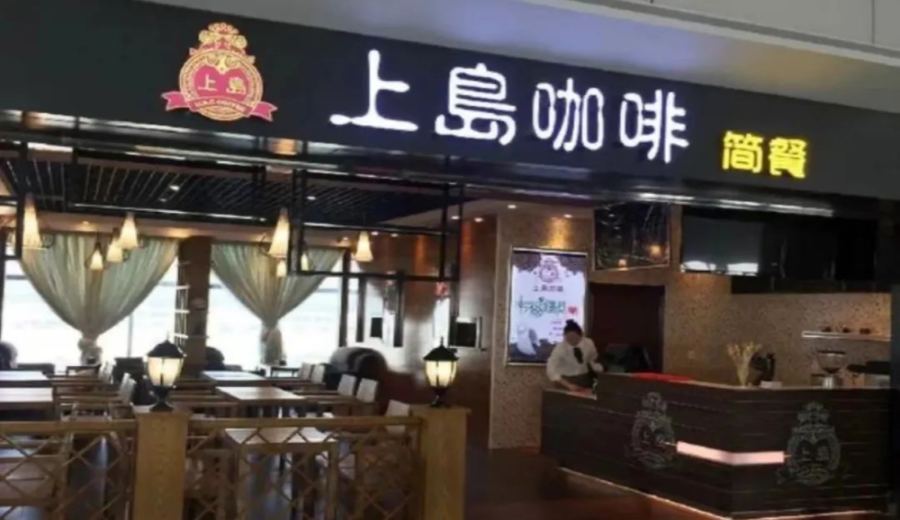
Introduction:With the diversification of market demand, the business models of coffee shops have continued to evolve. From the early "coffee + casual meals" model of UBC Coffee, to Starbucks' light food approach, and then to the purism of specialty coffee, a fourth-generation business philosophy is gradually taking shape: centering on specialty coffee while incorporating casual meals and light alcoholic beverages to create an all-day coffee space with round-the-clock operation. This article delves into the market logic behind this transformation, explores why single-format operations are increasingly difficult to sustain, and provides practical insights into transitioning to a diversified model.
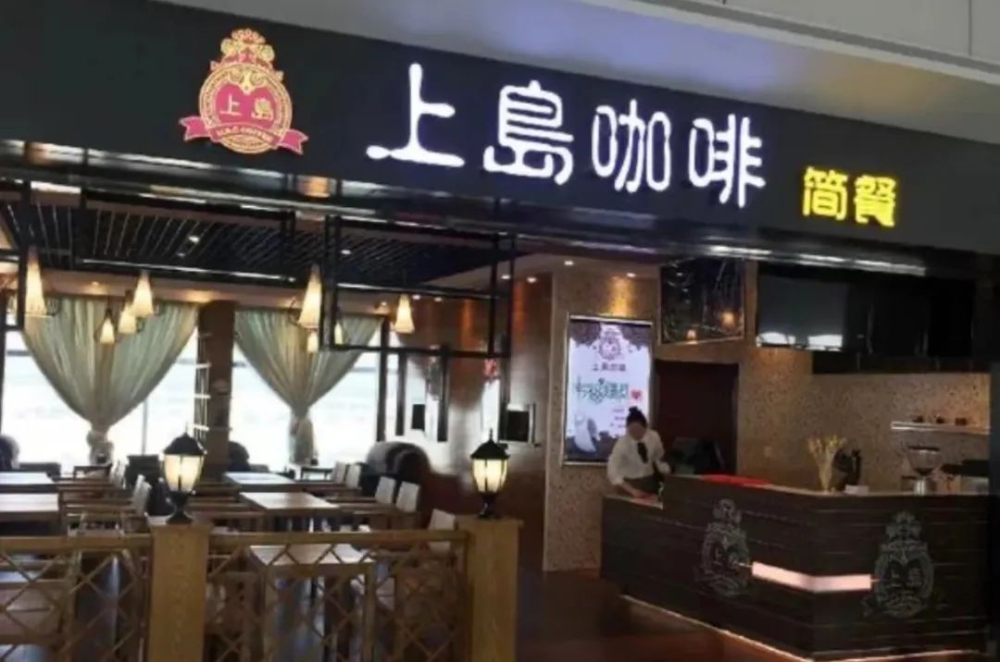
In 1997, UBC Coffee entered the Chinese mainland market, marking a significant step for the local café industry. During this period, cafés commonly adopted a "coffee + casual meals" business model, offering Chinese dishes such as fried rice and noodles to help consumers get accustomed to coffee in a familiar food environment, gradually cultivating consumption habits.
However, the strong aromas of food could interfere with the fragrance of coffee. Therefore, after Starbucks entered China in 1999, it adjusted its strategy to focus on light food items like sandwiches and bread to avoid pungent odors. This successfully created a Western casual atmosphere and associated coffee with a young urban lifestyle, forming the second-generation café business model and exerting a long-term influence on subsequent operators.
This model developed steadily for over a decade, becoming a blueprint referenced by many coffee shop operators. Around 2015, the rise of specialty coffee culture, which emphasized the flavor and origin of coffee itself, led some shops to shift toward a "coffee-only" philosophy — the third-generation specialty coffee model — in pursuit of an ultimate, pure coffee experience.
But this approach also sparked debate, with many questioning whether daily operations could be sustained without pairing coffee with casual food or desserts. Although many brands were initially confident about the purity of specialty coffee, the market feedback over the past eight years has shown that overly single-format business models are facing serious challenges.
Now, the market trend has shifted back toward diversification, giving rise to the fourth-generation business model — an all-day operation combining "specialty coffee + casual meals + light alcoholic beverages." This model is no longer limited to daytime coffee hours but extends into dinner and evening hours, increasing operational flexibility and expanding the customer base.
Why is the business model returning to its starting point? The key lies in consumers’ consistent focus on "practicality." Most people already have dining needs when choosing a beverage, and a coffee-only service struggles to meet a well-rounded experience. In fact, observing successful cafés around the world,diversified operations are almost a common trait among popular stores.Especially in non-tier-one cities, consumers are relatively less receptive to "pure coffee," making composite services more appealing.
Recently, many café owners in cities like Shanghai have begun adjusting their service offerings and business licenses, planning to transition from a pure coffee model to an all-day operation that includes casual meals and light alcoholic drinks. This strategic shift not only extends operating hours but also caters to varying consumer needs throughout the day — offering casual meals at lunch, focusing on coffee in the afternoon, and introducing light alcoholic options in the evening — thereby creating more diverse consumption scenarios.
Opinions on this trend are divided online. Some argue that coffee-only shops can still attract specific customer segments with a "pure" philosophy; however, some operators admit thatin the face of fierce competition, survival with a single model relies on luck, while transformation is the realistic choice.Especially in an oversupplied market environment, providing more choices and enhancing customer retention have become issues operators must consider.
Looking back at the original meaning of the word "Café," it stands for Community Access For Everyone — representing a space where people and ideas gather. When consumers walk into a coffee shop, they may be seeking specialty coffee, a daily pick-me-up, a casual meal to satisfy hunger, or simply a comfortable social environment. Only by meeting diverse needs can one stand firm in a competitive market.
In the current "extremely competitive" market environment, operators need to face reality more pragmatically: how to build a good reputation and loyal customer base is the key to long-term survival. Transitioning to a composite business model is not just about revenue considerations but also a deep response to consumer needs and a pragmatic adjustment to market trends.
The above content is compiled by CoffeeHunters, a coffee news website.


