







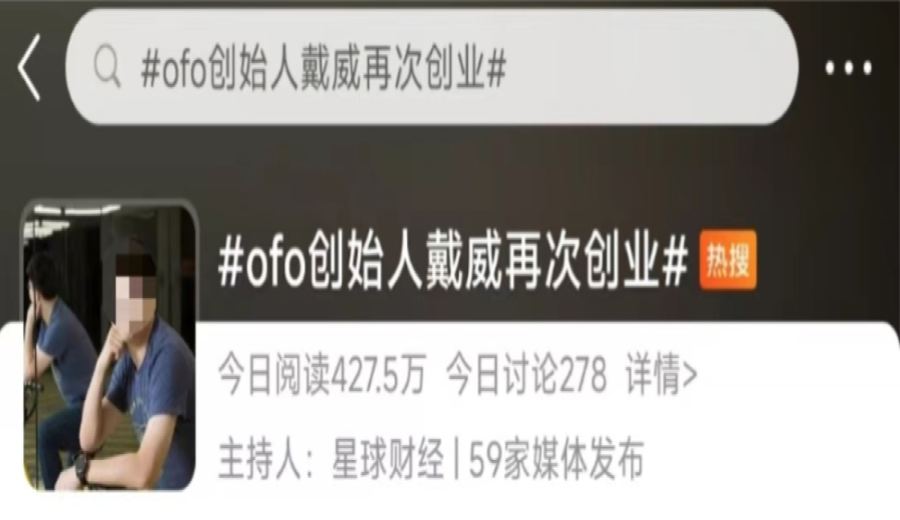
Introduction:Dai Wei, once the founder of the shared bike giant ofo, has reportedly shifted his focus to the U.S. coffee market by launching a new brand called About Time Coffee, which features iced bubble tea coffee as its flagship product. The brand is attracting attention with a marketing strategy that offers free drinks to first-time users, sparking online discussions: Is this just another familiar marketing tactic? Can Dai Wei’s coffee venture succeed, and when will ofo users get their deposits back? This article takes you behind the scenes to explore the background and latest developments of the story.
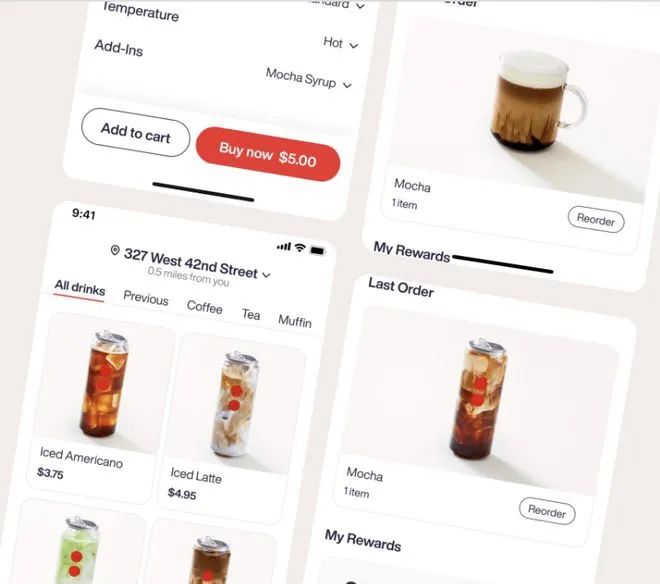
The once ubiquitous shared bike brand ofo, known for its bright yellow bikes, not only still has unresolved deposit refund issues, but its founder Dai Wei has also been revealed to have started a new business in the U.S.—the coffee industry—under the brand name About Time Coffee. It is reported that the brand’s signature offering is canned iced bubble tea coffee, priced at $4 per cup. The marketing strategy of giving a free coffee to new users who download the app and register has reminded many netizens of a familiar scenario.
As early as April 2022, About Time Coffee opened its first three stores in Manhattan, New York, and has since expanded to five locations in the area. The brand is now valued at approximately $200 million USD, equivalent to about NT$6.2 billion or RMB 1.34 billion. With its youthful packaging and rapid expansion strategy, the brand has drawn market attention, but the controversial past of its founder Dai Wei still casts a shadow over this new venture.
Looking back at ofo’s rise and fall, in 2015, Dai Wei led his team to launch the OFO shared bikes on the campus of Peking University. Within just ten days of launch, the daily order volume exceeded 1,500, demonstrating strong market potential. In the following years, ofo gradually expanded from campuses to the broader public market. In 2016, the total number of orders quickly surpassed ten million, and by 2017, the number of registered users exceeded 20 million, making it one of the representatives of the sharing economy at the time.
However, starting in 2017, ofo began implementing a user deposit system, initially claiming that deposits could be fully refunded within 90 days. New users were required to pay a deposit of 199 RMB, which could be reduced to 99 RMB for users with good credit. Unexpectedly, by the end of 2017, negative reports emerged about ofo’s tight cash flow and alleged misuse of deposits. Although founder Dai Wei publicly denied these claims, users subsequently faced increasing difficulties in withdrawing their deposits, triggering a large-scale refund movement.
In September 2018, ofo ceased normal operations due to complex and frequently delayed refund processes. By 2023, its official app and WeChat mini-program were completely non-functional, and its service hotline went unanswered. Many users still have not recovered the 99 or 199 RMB deposits they originally paid, with total losses exceeding 1.5 billion RMB.
Now, with Dai Wei launching a new coffee brand in the U.S. as its founder and reusing a similar “free trial for new users” marketing strategy, many netizens have expressed dissatisfaction, flooding social media platforms with calls to “pay us back” and “refund our deposits.” Some netizens even joked, “I wonder if the coffee Americans are drinking now is made from our deposits?”
Faced with public criticism, many have also questioned how Dai Wei, who is still listed on China’s court high-consumption restriction list, was able to operate overseas. According to Tianyancha data, Dai Wei, the legal representative of Beijing Baikeluo Technology (ofo’s parent company), had his most recent consumption restriction order updated on February 2, 2023, which includes restrictions such as being prohibited from taking flights, first-class high-speed rail seats, staying in star-rated hotels, or purchasing real estate. However, Dai Wei has been spotted in the United States, prompting many netizens to question the legality of his travel.
It is understood that courts may grant exceptions to individuals under high-consumption restrictions for “essential living or business needs” upon approved application, allowing certain high-consumption activities, such as international flights. As of press time, the Luohu District People's Court of Shenzhen and the Haidian District People's Court of Beijing have not yet responded regarding the specifics of Dai Wei’s exit from the country.
Considering all available information, whether Dai Wei’s new venture into the coffee market will succeed remains uncertain, but the unresolved deposit disputes from his time running ofo are still a major issue. For users who once supported shared bikes, what may matter most now is no longer the progress of his new startup, but rather when—if ever—they will get their deposits back. And what about your ofo bike deposit—has yours been resolved yet?
The above content is compiled by CoffeeHunters, a coffee news website.


