







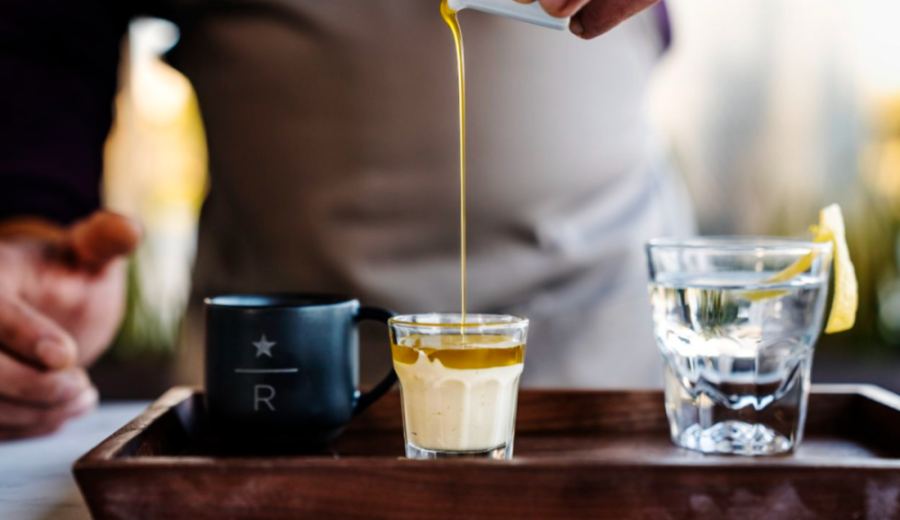
Introduction:Starbucks’ recently launched olive oil coffee has sparked widespread discussion, with many mistakenly assuming it’s the same as the popular bulletproof coffee. In reality, these two beverages differ significantly in their ingredients, nutritional benefits, and target audiences. Nutrition experts specifically caution that drinking undiluted extra virgin olive oil directly may irritate the stomach. This article delves into the formulation principles of both drinks and provides real-world tasting observations to help readers make choices based on their individual needs.
When Starbucks introduced its innovative coffee recipe with olive oil to the market, it immediately ignited heated discussions within the coffee enthusiast community. Many consumers’ first reaction was to equate it with the trendy bulletproof coffee of recent years, but a closer look at the actual composition reveals that these are entirely different beverage concepts.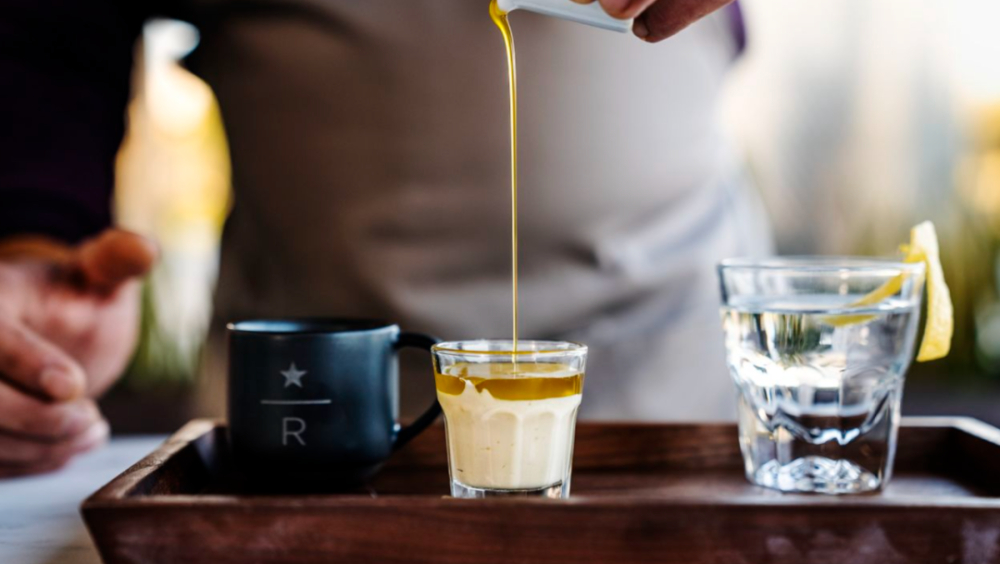
The classic bulletproof coffee recipe consists of black coffee, grass-fed butter, and MCT oil, primarily aiming to provide sustained ketogenic energy; whereas Starbucks’ olive oil coffee incorporates extra virgin olive oil into an espresso base, emphasizing the healthy elements of the Mediterranean diet. This difference in formulation directly impacts the flavor profile and digestive response of the beverages.
According to clinical nutritionists’ observations,the recommended single intake of extra virgin olive oil should not exceed 15 milliliters, and it is best consumed via food carriers. Drinking pure olive oil directly may cause bloating or mild diarrhea in some individuals, especially those unaccustomed to oily beverages, who should be particularly cautious. This is why some early tasters online specifically advised those with more sensitive stomachs to evaluate carefully.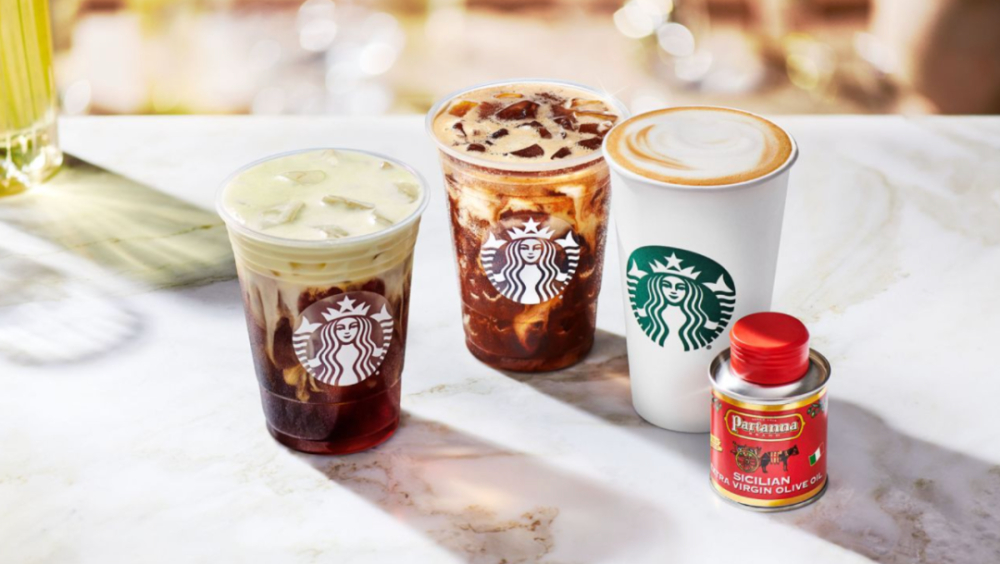
Observing the actual tasting experiences of the two drinks, bulletproof coffee typically presents a creamy and smooth texture due to its dairy fat content, while olive oil coffee forms a unique oily mouthfeel because of the nature of the oil. Experienced baristas suggest that when trying olive oil coffee for the first time, one should start with 5 ml to adapt and drink it warm to reduce the irritation of the oil on the esophagus.
From a nutritional composition analysis, the MCT oil in bulletproof coffee can be quickly converted into ketones for energy, making it suitable for those following a ketogenic diet; whereas the monounsaturated fatty acids abundant in olive oil may offer potential benefits for cardiovascular health. This fundamental difference means the two drinks serve different health-oriented consumer groups. It’s worth noting that even the relatively healthy olive oilis not recommended as a long-term daily addition to coffee, and occasional enjoyment better highlights its distinctive flavor.
For consumers who wish to try similar recipes at home, professionals recommend first understanding one’s own tolerance to oils and starting with small doses for testing. Regardless of which style you choose, controlling your total daily fat intake is key to maintaining a balanced diet.
The above content is compiled by CoffeeHunters, a coffee news website.


