







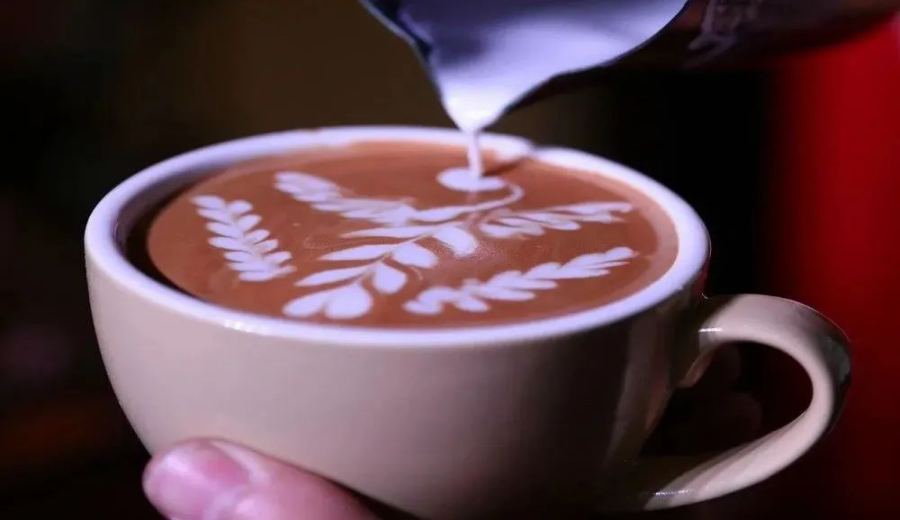
Introduction:From being captivated by a beautifully latte art-decorated drink to attempting it yourself and repeatedly failing — many coffee lovers have gone through this. This article authentically documents the complete learning journey of practicing latte art at home from scratch, covering key techniques such as milk frothing, pitcher-to-cup distance, and flow rate control. It also shares common failure cases and improvement methods. Through reflections during actual practice, it helps readers master the basics of latte art and find their own pace of progress.
Many people’s first deep attraction to coffee often stems from that cup of latte adorned with delicate latte art. The sense of achievement when you’re finally able to draw the image in your mind using a milk pitcher at home is truly indescribable. Nowadays, there are plenty of free latte art tutorials online. As long as you have a suitable coffee machine, milk pitcher, and fresh milk, even complete beginners can embark on the self-learning journey.
However, once you actually start practicing, you’ll realize that failure is an inevitable part of learning latte art. From unstable pitcher control and blurry patterns to ending up with abstract art, almost every beginner has gone through a similar “creative process.”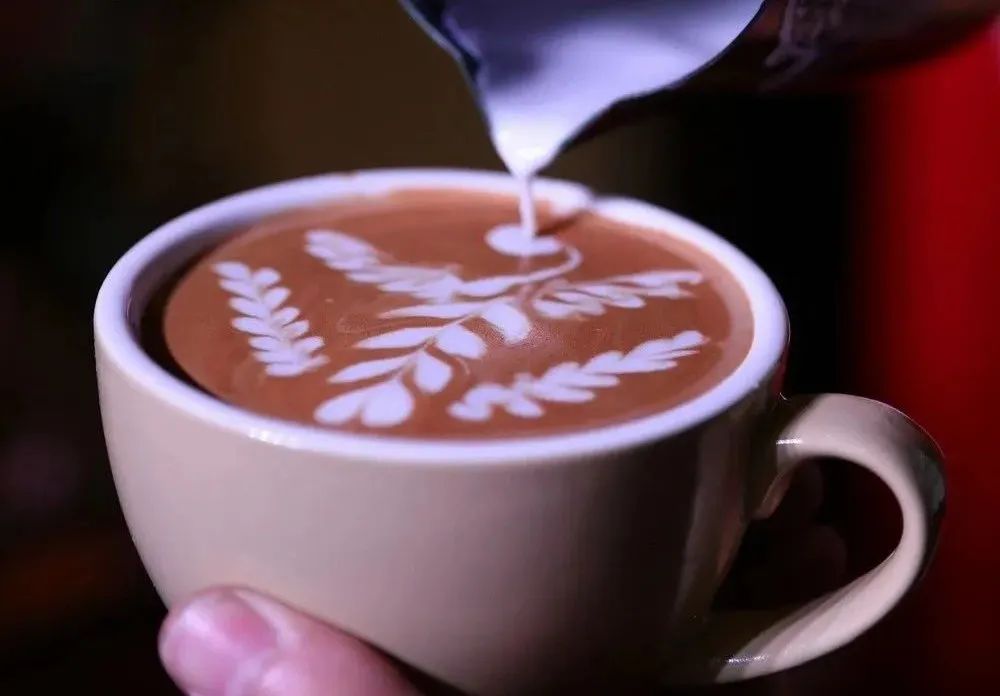
Some patterns that you intend to depict as a plump heart may end up looking more like geometric shapes, or even unrecognizable as a heart. And when you try to pour a classic character like Ultraman, the result often leaves you laughing and crying at the same time. What seems like a simple act of pouring milk actually requires very precise control over angle, flow rate, and milk foam texture.
When skills are not yet refined, many coffee enthusiasts resort to “post-editing” or imagination to make up for it, since success is often just a matter of fine details and a bit more practice. But everyone knows deep down that the only way to consistently pour clear and beautiful patterns is through continuous hands-on practice, observation, and adjustment.
From the perspective of a professional barista, while latte art may seem like “artistic creation,” every step is actually built upon solid fundamentals. The texture of the milk froth is absolutely crucial.The ideal milk foam should be fine, velvety, and have appropriate fluidity.It is generally recommended to use whole fresh milk, with temperature controlled between 55°C and 60°C. Overheating will make the foam coarse, affecting the blending effect and the clarity of the pattern.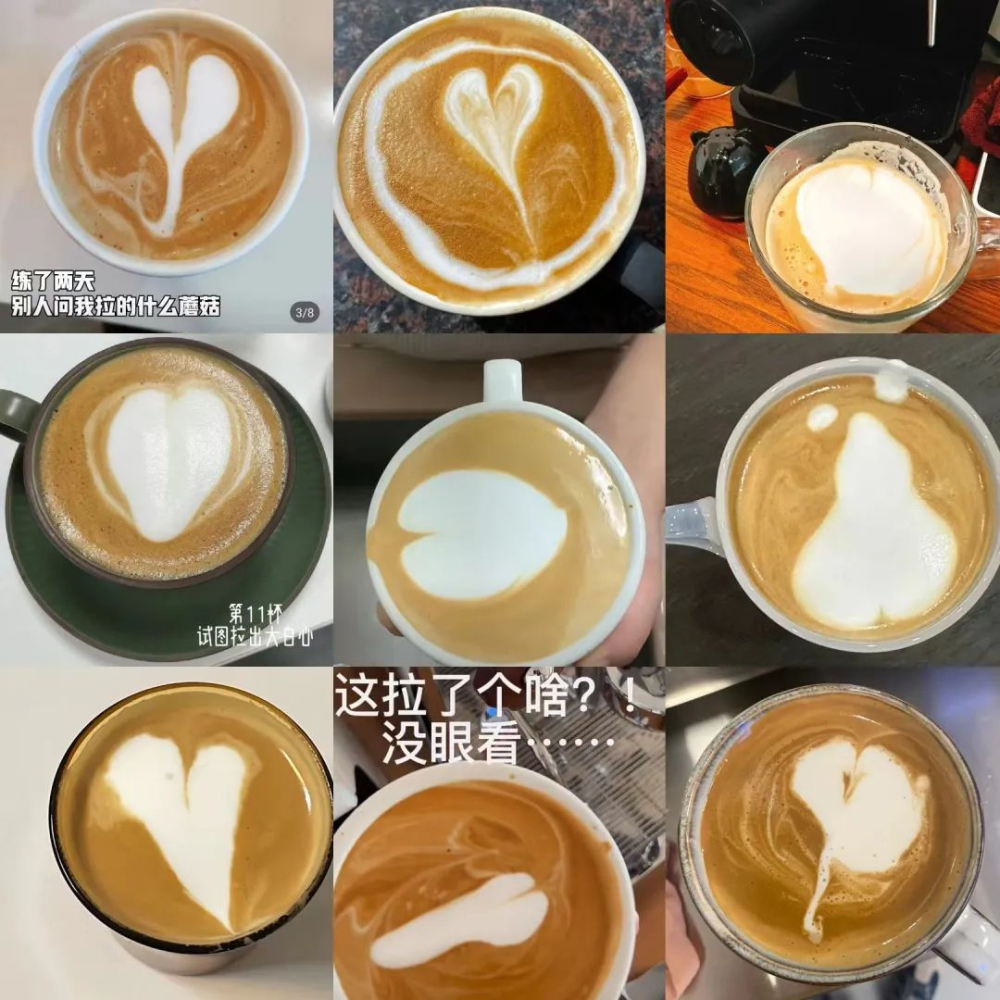
In actual operation, the distance between the pitcher and the cup, the tilt angle, and the speed of milk flow all directly influence the final shape of the pattern. Common issues for beginners include: overly coarse foam causing blurry patterns, too-fast flow rate damaging the liquid surface, and unstable pitcher spout control leading to skewed or broken patterns. These problems require countless repetitions of practice to gradually adjust and perceive.
Additionally, the pouring (fusion) step is also key to the success of latte art. While evenly mixing the milk with the espresso, you also need to create the pattern — requiring steady hand movements and proper rhythm. Many people overlook the importance of fusion in the beginning, resulting in patterns that may have shape but lack distinct color layers, significantly diminishing the overall visual effect.
Every failure hides details worth reflecting on. Some have summarized that the steep learning curve of latte art is due to its combination of hand-eye coordination, muscle memory, and fluid control — abilities that can only be gradually built through repeated practice. Whether it’s a heart, a leaf, or more complex motifs, stable fundamentals are the cornerstone of creating excellent works.
Learning latte art may not directly multiply the flavor of your coffee, but it can greatly enhance the sense of ritual and enjoyment during drinking. Every coffee lover who gets back up after failing will eventually, at some moment, pour a pattern they can be proud of. That sense of fulfillment is what keeps everyone practicing and trying again. So, are you enjoying the process of latte art today?
The above content is compiled by CoffeeHunters, a coffee news website.


