







Introduction:The floral and fruity aromas of specialty coffee are among its most captivating essences, but do you know how these flavors are formed? This article delves into the olfactory characteristics of coffee flowers and explores their connection to white blossoms, helping you understand the origins of the "white floral" flavor profile. We will also introduce common types of floral notes, highlight several representative floral coffee beans, and teach you how to preserve and appreciate the delicate floral aromas in coffee from the perspectives of variety, processing method, and roasting. This is an essential beginner’s guide for coffee enthusiasts who love pour over brewing and flavor exploration.
Where exactly do the floral and fruity notes in coffee come from? These intoxicating flavors are often key to what makes specialty coffee so appealing. Many people, upon first smelling freshly ground coffee or tasting a freshly brewed cup, may perceive a subtle, elegant aroma reminiscent of white flowers—but find it hard to describe precisely. In fact, this description of "white floral" is inextricably linked to the flowers of the coffee plant itself.
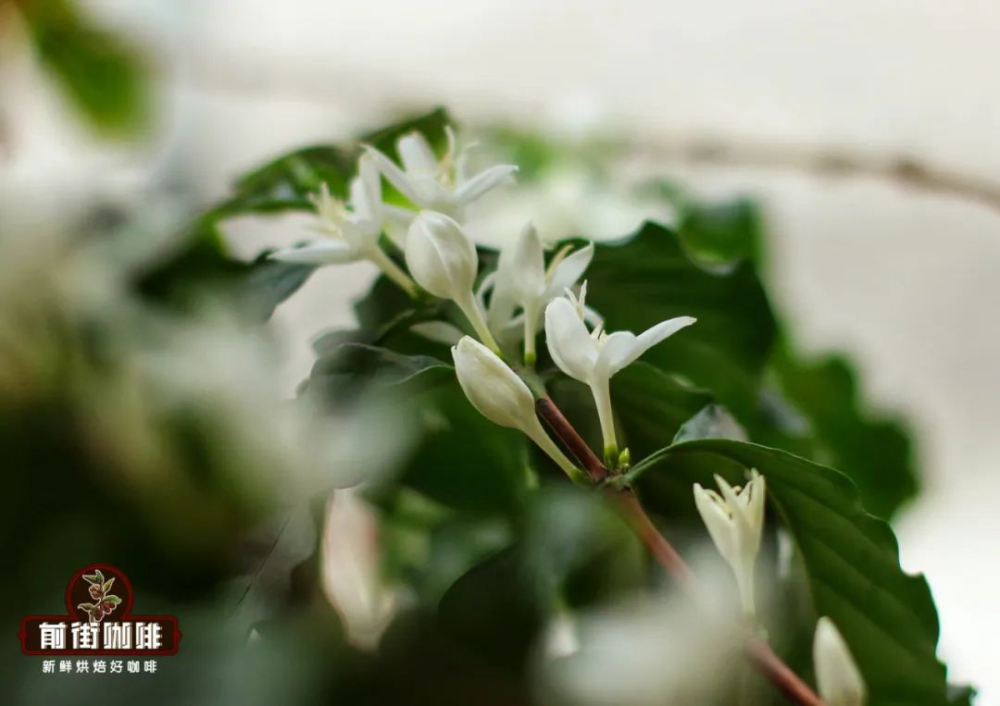
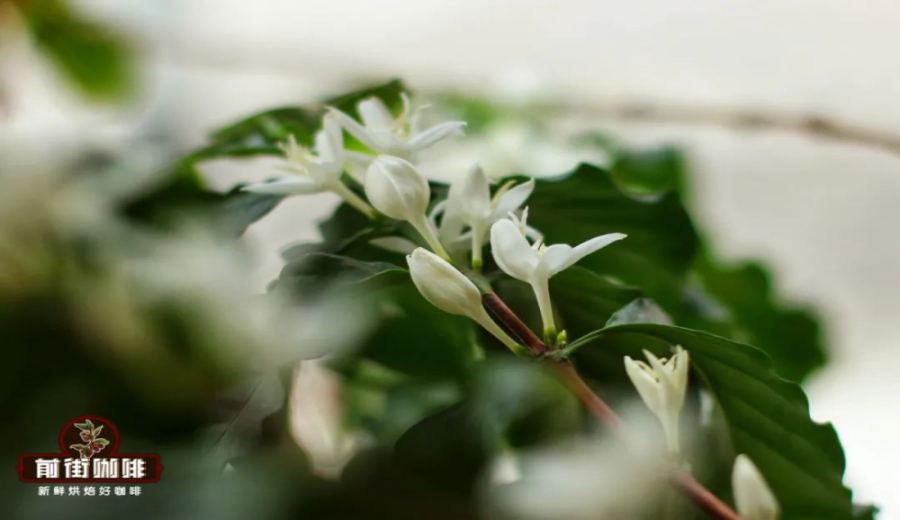
The flowers of the coffee plant are a pure, snow-white color, usually with five to six petals each. When fully bloomed, they resemble a small windmill, gently spinning. They often grow densely along branches in inflorescences, not only attracting bees for pollination but also frequently making passing baristas pause to take a closer sniff. However, perceptions of the scent of coffee flowers vary—some say it's like jasmine, others liken it to gardenia, and some even associate it with thyme. Are these white-toned scents what we commonly refer to as "white floral"?
Looking back, many coffee professionals used to establish their understanding of coffee flower fragrance through professional scent kits—for example, number 12, "Coffee Blossom." From actual experience, this scent carries a slight sweetness akin to ripe peach flesh, with a soft and rounded style, much like biting into a perfectly ripe honey peach—fresh yet not cloying. However, the aroma of freshly bloomed coffee flowers is not concentrated in one spot but diffuses rapidly, lingering for only a very short time. The fragrance is light and lively, with a honey-like aftertaste. Combined with the delicate, petite form of the flower, it’s easy to associate it with the equally white jasmine.
In fact, in the early 17th century, when botanists were naming the Arabica species, they mentioned that its flowers emitted a scent that was "a blend of Arabian jasmine and the shape of bay leaves." As a result, the original scientific name of Coffea arabica was once proposed as "Arabian Jasmine" (Jasminum arabicanum), which clearly shows the high degree of similarity between coffee flowers and jasmine.
From a botanical classification perspective, the coffee plant belongs to the Rubiaceae family. Although it shares the same family as gardenia, they are in different genera, hence there are some visual similarities in plant appearance, but the scents are vastly different. Gardenias typically emit a rich and heavy fragrance, while the scent of coffee flowers is relatively light, fresh, and clean. When actually tasting coffee, we often encounter a pleasant aroma reminiscent of white flowers, but it’s hard to pinpoint exactly which type—it is then collectively referred to as "white floral." In addition to coffee flowers and jasmine, this fragrance group also includes white roses, white camellias, white magnolia, pear blossoms, lemon blossoms, plum blossoms, and more—a broad and diverse array of floral notes.
For example, a representative of the washed Yirgacheffe flavor profile—the coffee beans from the Gedeb Cooperative—often exhibit light, elegant white floral notes, accompanied by a bright citrus acidity, closely resembling the aromatic profile of jasmine. Meanwhile, another highly acclaimed Panamanian Geisha is characterized by prominent white floral notes, along with layers of honey, cantaloupe, and green tea-like freshness, making it a floral benchmark in the hearts of many coffee lovers.
Generally speaking, floral notes in coffee can be broadly divided into three types: muted, subtle, and fresh. Among them, white floral notes are representatives of the fresh category and are also the most common. The subtle type is often represented by roses—for instance, a certain brand’s natural-process Jade Green Label Geisha has this kind of soft and comforting floral aroma. As for the muted type, it may carry a slightly sharp or pungent edge, hitting the nose more strongly at first sniff, such as chamomile and osmanthus. Representative coffees include a certain brand’s Mozart and Bach.
Floral notes are among the more precious and less-retained elements in coffee flavor, and their expression is closely related to multiple factors. The coffee variety, growing environment, processing method, fermentation level—all affect the final expression of floral characteristics. And during the roasting stage, it becomes a crucial step in determining whether floral notes can be preserved. Generally speaking,lighter to medium roasts are better able to effectively retain the floral compounds in coffee, because as roasting time extends and temperatures rise, the internal chemical reactions within the coffee bean gradually consume these delicate aromatic substances. Therefore, lightly to medium-roasted coffee usually has a lighter body, clearer flavors, and makes it easier to detect the presence of floral notes during tasting.
It’s worth noting that floral notes are often most pronounced right after grinding, during the blooming phase, and when the coffee liquid is at a mid-to-low temperature range. It’s recommended that when tasting, you try to recall various familiar floral scents to help identify the current flavor tone, further enhancing your sensitivity and appreciation of coffee aromas.
Finally, it’s worth mentioning that the flowering period of coffee flowers is extremely short, usually lasting only three to five days. If you’ve ever had the chance to witness coffee trees in bloom, seize the moment—because it’s very likely that by the next day, those beautiful petals may have already begun to wither. To personally experience the charm of coffee trees and coffee flowers, you’ll need to act early to catch this fleeting natural beauty.
The above content is compiled by CoffeeHunters, a coffee news website.


