







Introduction:Luckin Coffee has once again set foot in the Central and South American coffee-growing regions, this time focusing on Panama, which has drawn considerable attention from coffee enthusiasts. This article takes an in-depth look at the two mainstream varieties—Caturra and Catuai—that Luckin is likely to choose, analyzing their botanical characteristics, flavor profiles, and practical performance in drinks like lattes and Dirty coffees. It also explores the impact of chain-brand sourcing on the market and offers practical advice for consumers looking to compare and evaluate these beans, helping you better understand the cup in your hand.
In recent years, Luckin Coffee has made frequent moves in the specialty coffee market—from early offerings like the Red Bourbon SOE to Geisha SOE—and now it’s turning its attention to the flavor-diverse Panama region. This choice has naturally sparked curiosity among both industry insiders and consumers: will Luckin introduce the globally renowned Panamanian Geisha? Or will it take a different path by selecting more mainstream varieties with stable yields and strong flavor potential?
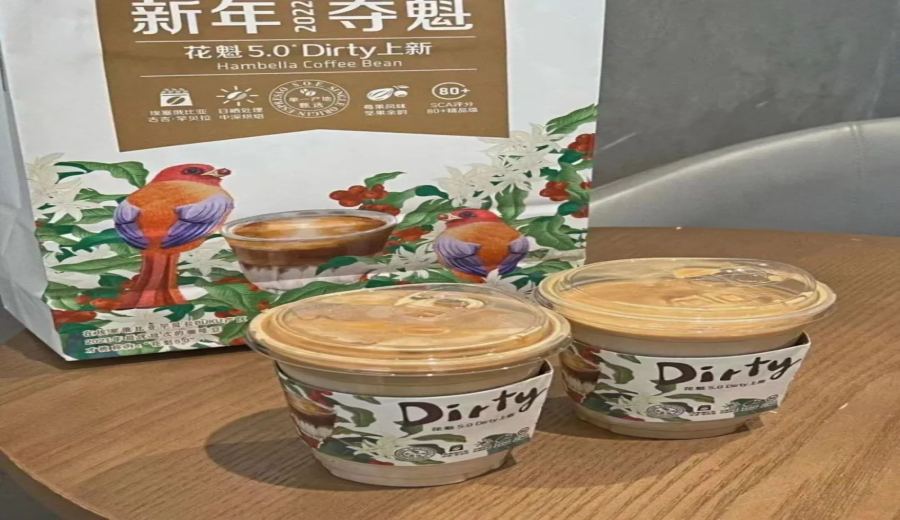
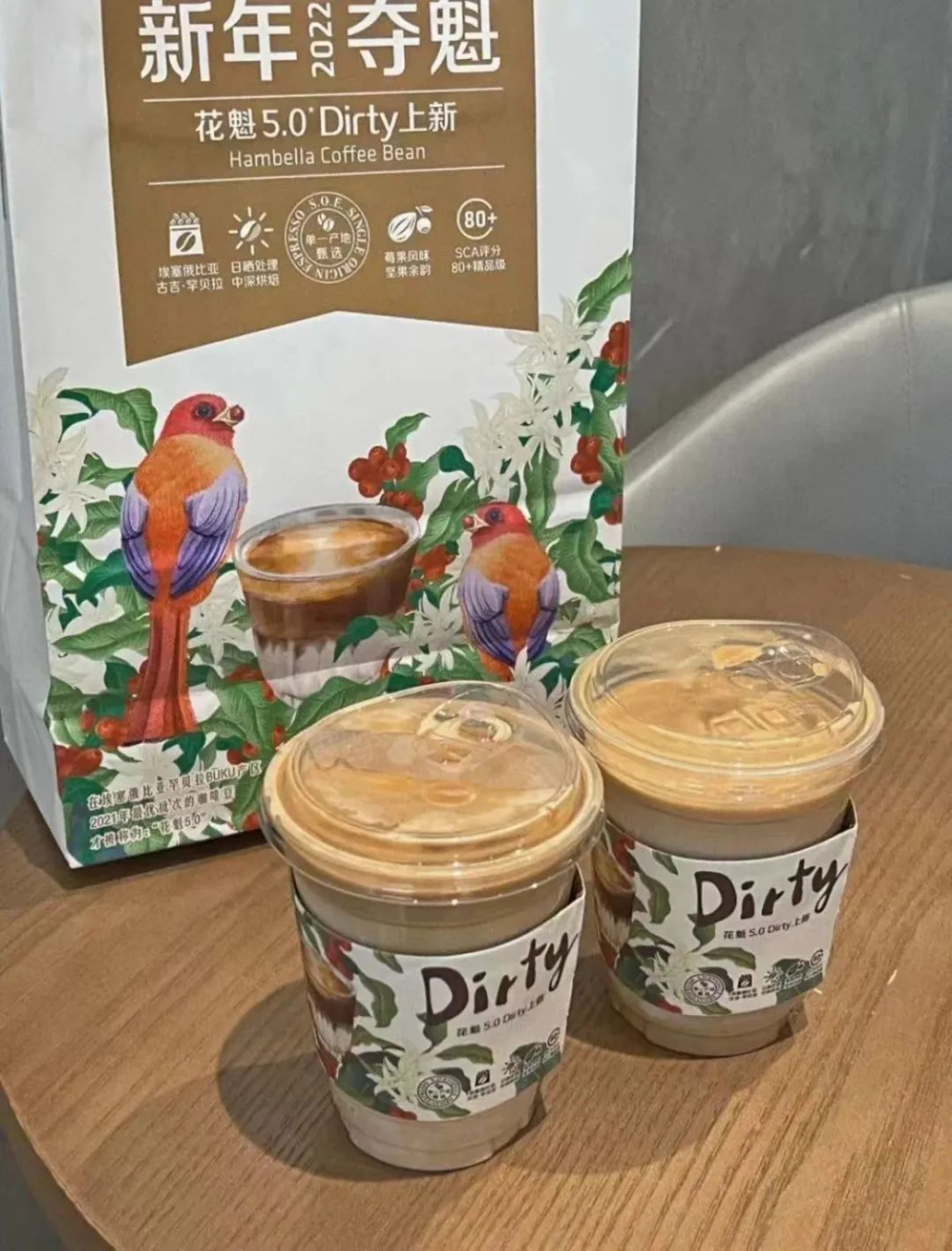
Judging from the materials recently released by Luckin related to its bean-sourcing program, the coffee trees and roasted beans shown in the background images appear to lean more toward Panama’s commonly grown Caturra and Catuai. These two varieties not only have a high presence in the region but also serve as the base for many high-quality microlots and local auction lots.
Let’s first take a look at Caturra. It is a dwarf variety of Bourbon, known for its intense citrus notes and bright acidity, making it ideal for coffee lovers who prefer a refreshing taste. The plant is relatively short, which makes harvesting easier. Although its yield per plant is lower than that of Catuai, its fruit distribution is more even, contributing to a more stable flavor expression. Typically roasted at a medium-light level, Caturra can showcase flavors such as red berries, lemon, and caramel-like sweetness, making it particularly well-suited for pour over and SOE lattes.
Catuai, on the other hand, is a hybrid of Caturra and Mundo Novo, boasting higher per-plant yields and stronger resistance to wind and rain. Its cherries are usually firmer, and the beans are oval and somewhat flat with slightly pointed ends, which matches the appearance description of the roasted beans in Luckin’s promotional materials.
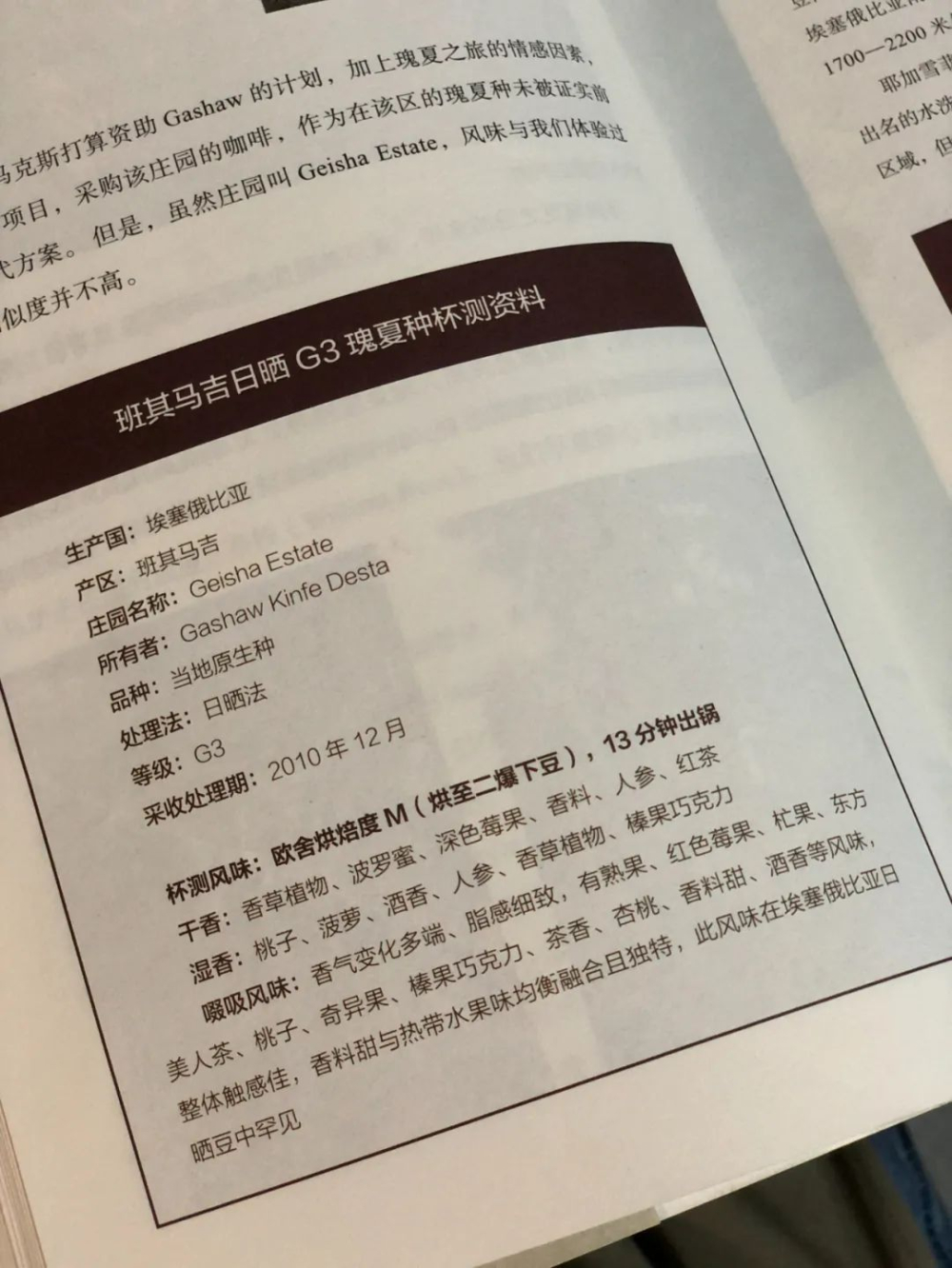 In terms of flavor, Catuai typically exhibits tropical fruit notes such as mango and passionfruit, with soft acidity and a rich sweetness. It is well-suited for making milk coffees that are bold yet balanced, especially in Dirty drinks where it can present a clear layering transition.
It’s worth noting that Luckin’s previous SOE series, such as Red Bourbon and Geisha, have sparked debates due to their dark roasting styles. Some coffee enthusiasts believe that dark roasting can mask the delicate flavors inherent in these high-quality beans, causing them to lose their regional characteristics. Therefore, if Luckin chooses to use Caturra or Catuai for its SOE this time, opting for a medium-light or medium roast would better highlight the layers and nuances of their original flavors.

In terms of actual drinking performance, Caturra and Catuai are highly compatible with lattes. Thanks to their clear acidity and pronounced sweetness, they not only maintain the flavor structure when paired with milk but also add fruity notes and a smooth mouthfeel. For Dirty coffee, these two varieties, with their good body and sustained sweetness, can deliver a clear transition of fruity aromas and a lingering aftertaste after hot fresh milk is poured in, giving the entire drink more complexity.
Returning to the market side, although Panamanian Geisha is widely renowned, its scarcity (accounting for only about 3% of the region’s total production), stringent growing conditions, and consistently high prices make stable supply difficult to secure. Even if Luckin is interested in introducing it, the likelihood of obtaining a reliable supply is low. In contrast, Caturra and Catuai not only offer larger yields and stronger adaptability but also have the potential to showcase outstanding flavors under high-quality processing methods, aligning better with chain brands’ needs for stable supply and quality control.
For consumers, although Luckin’s current bean-sourcing effort may not bring back top-tier Geisha, it does offer another opportunity to get to know mainstream specialty coffee varieties. Regardless of which variety is ultimately chosen, it’s worth trying it yourself and further exploring similar or same-region beans at independent specialty coffee shops to experience the flavor differences under various roast levels and brewing methods.
In summary, whether the final reveal from Luckin’s Panama bean-sourcing is Caturra or Catuai, it represents the chain coffee brand’s emphasis on single-origin regions and specific varieties. For coffee enthusiasts, this is not only a great opportunity to learn about the characteristics of different beans but also a chance to explore how different brewing and extraction parameters affect flavor, thereby further enhancing the overall tasting experience.
The above content is compiled by CoffeeHunters, a coffee news website.


