







Introduction:Starbucks is set to open a new store in Piazza Montecitorio in the heart of Rome, marking a significant expansion into the core of Italy’s capital. Since entering the Italian market in 2018, Starbucks has gained attention through its Milan Reserve Roastery (one of only four globally, alongside those in Seattle, Shanghai, and New York). However, facing a traditional market where per capita annual coffee bean consumption reaches 5.8 kilograms and the average price of an espresso is just €1, its premium pricing strategy has sparked considerable debate. This article will delve into Starbucks’ expansion strategy in Rome and explore how it seeks to carve out a niche in the saturated Italian coffee market.
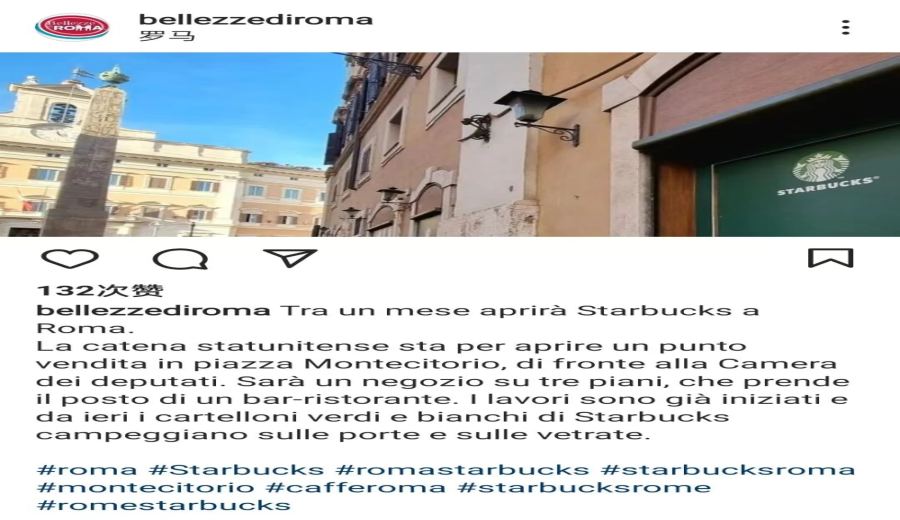
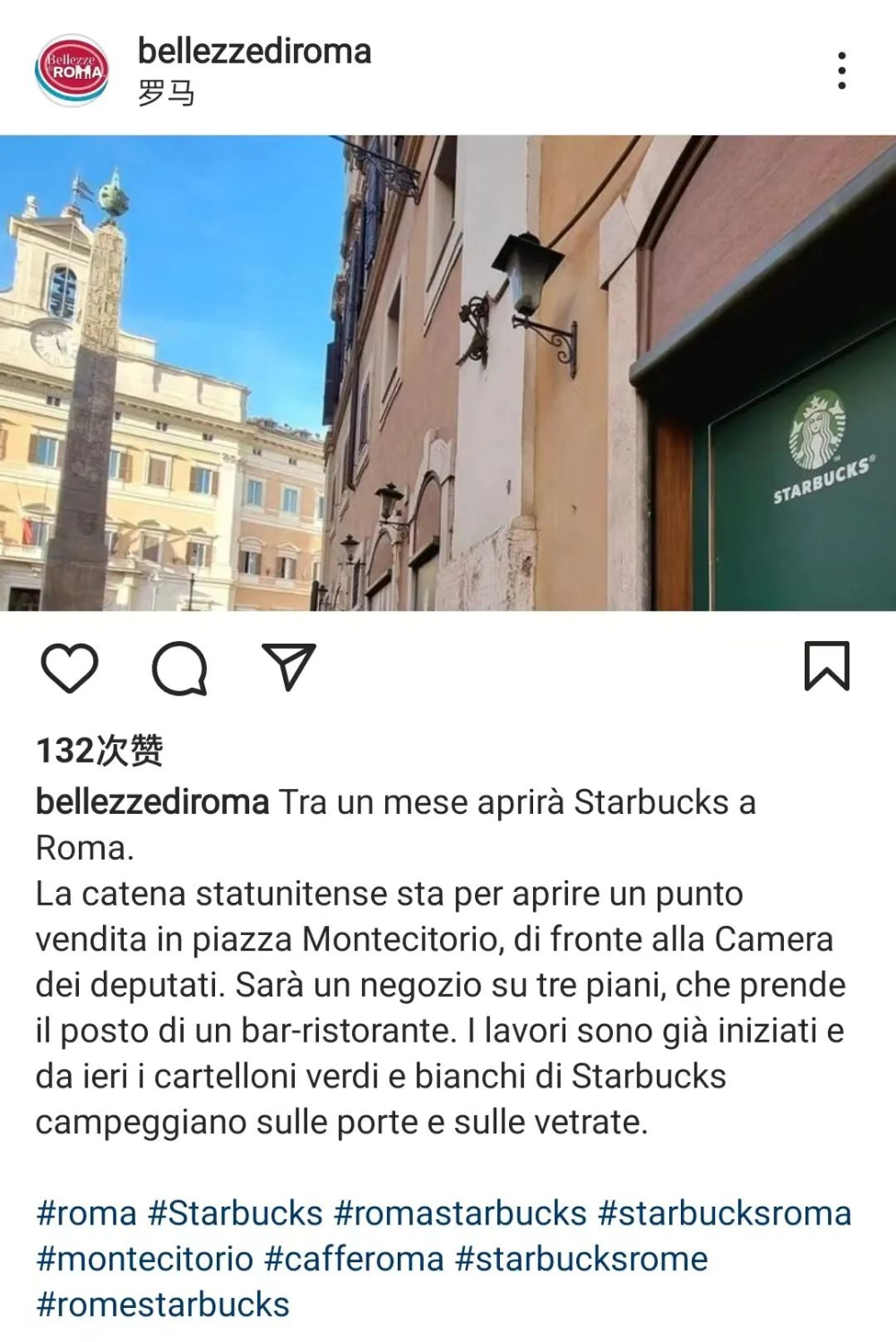
Starbucks is about to open a new outlet in Piazza Montecitorio in central Rome. This three-story building faces the Italian Parliament and its exterior already displays Starbucks signage. It is understood that the store is expected to officially open in April, marking the brand’s second presence in central Rome and a significant step into the city’s core area.
As early as 2018, Starbucks made a high-profile entry into the Italian market with its Milan Reserve Roastery (the only four such locations worldwide, located in Seattle, Shanghai, Milan, and New York). At that time, this flagship store in Piazza Cordusio, Milan, signified Starbucks’ first official appearance in Italy. In the same year, Starbucks added 585 new stores in the Chinese market, showcasing its ambition for global expansion.
However, Rome’s first Starbucks store actually opened much earlier, on April 5, 2022, at the Castel Romano Designer Outlet (an outlet mall). But due to its location being about 30 to 40 minutes by car from central Rome, many considered it merely a trial run in the suburbs. Now, the opening of the second store in Piazza Montecitorio truly marks Starbucks’ entry into downtown Rome.
Italy is a global coffee consumption powerhouse, with per capita annual coffee bean consumption reaching 5.8 kilograms and a coffee market worth as much as $7 billion, home to numerous century-old coffee shops. Yet, Starbucks’ premium pricing stands in stark contrast to local consumption habits. According to data from Italy’s National Consumers Association, the average price of an espresso in Milan is just €1, and even the most expensive rarely exceeds €1.10, whereas Starbucks charges €1.80 — nearly 80% higher than the local average.
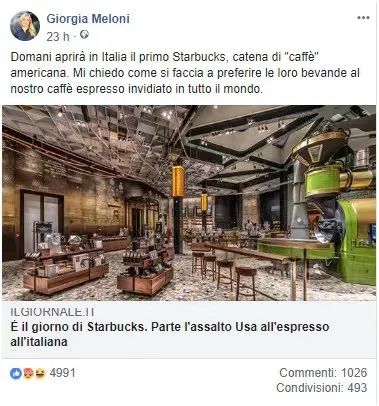
Moreover, the average price of a cappuccino, beloved by Italians, is €1.34 locally, with the highest price not exceeding €1.60. Starbucks, however, sells it for €4.50, showing a significant price gap. Italian MP Georgia Meloni once publicly stated: “I don’t understand. Our Italian coffee is envied by the whole world — why would anyone choose to drink Starbucks beverages?” Such criticism highlights the cultural challenges Starbucks faces in the Italian market.
Despite this, Starbucks continues to expand aggressively. The brand now operates more than 25 stores in Italy and has even launched an ‘Oleato’ olive oil coffee specifically designed for the Italian market, demonstrating its commitment to the local scene. This innovative product combines Italian olive oil with coffee, aiming to appeal to the taste preferences of local consumers.
For readers eager to delve deeper into Italian coffee culture, Italy’s coffee market is not just a stage for commercial competition, but also a reflection of lifestyle. From espresso to cappuccino, every cup embodies the daily habits and cultural heritage of the Italian people. Whether Starbucks can find its own footing in this saturated market is a development worth watching closely.
The above content is compiled by CoffeeHunters, a coffee news website.


