







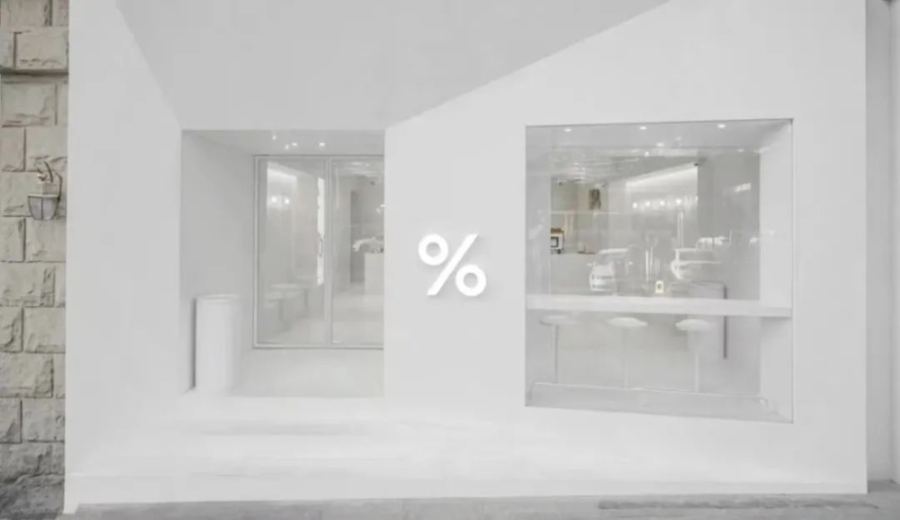
Introduction:The globally renowned coffee brand %Arabica has opened its first store in Lhasa, Tibet, located just one street away from the Potala Palace, making it the highest-altitude %Arabica outlet in the world. This news has sparked discussions about the potential of Lhasa’s coffee market: is coffee consumption in the area still a blue ocean? Are operational costs truly lower? This article delves into the store’s design concept, actual operating expenses, market conditions, competitive environment, and provides details on the local coffee ecosystem’s development — giving you a comprehensive understanding of this new coffee landscape in the plateau city.
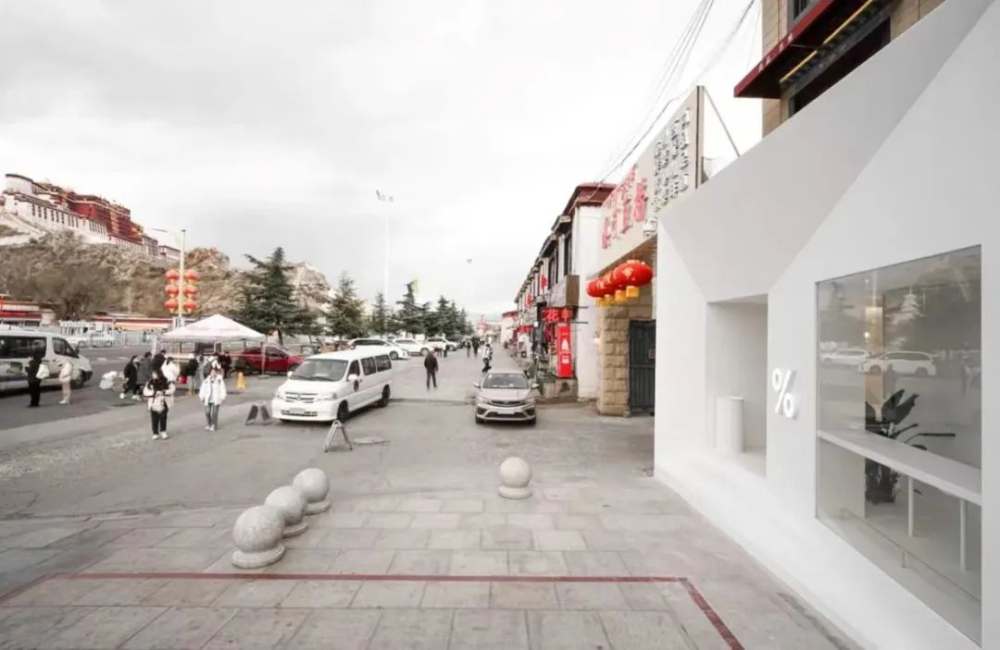
Recently, the international coffee brand %Arabica officially announced the opening of its first store in Tibet, which is also currently the highest-altitude %Arabica outlet in the world. Situated just across the street from the historically rich Potala Palace, the store has attracted significant attention since its launch. The location not only holds high cultural and geographical symbolism but also raises curiosity: what stage of development is Lhasa’s coffee market in as a plateau city?
From official photos released of the store, it can be seen that this %Arabica outlet in central Lhasa continues the brand’s signature minimalist design style. The exterior is dominated by pure white tones and geometric lines, complementing the snow-capped mountain backdrop to create a uniquely striking visual experience. Inside, the ceiling is inspired by snowflakes, featuring an irregular structural layout that creates a layered yet airy atmosphere. Customers can enjoy their coffee while feeling as though they’re in a sacred snow-covered realm.
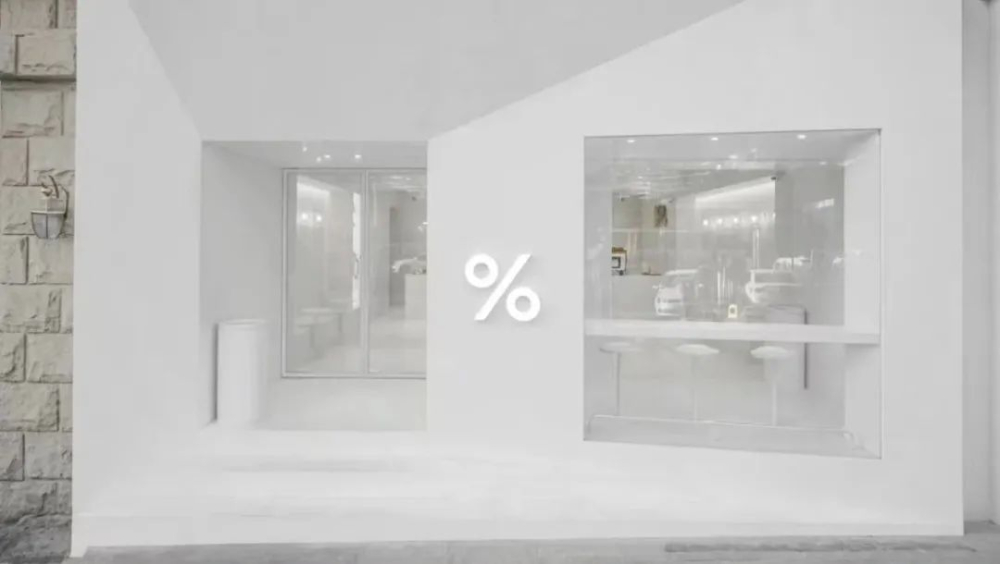
Many netizens were surprised by %Arabica’s choice of location next to the Potala Palace, believing it to be not only a geographical breakthrough for the brand, but also a bold attempt at blending culture and dietary habits. Some observers pointed out that although Lhasa’s tourism industry has developed rapidly in recent years, many still consider the local coffee market to be a blank slate, thus giving the brand’s move a strong element of novelty and hype. Additionally, there are voices suggesting that compared to first-tier cities like Beijing and Shanghai, operational costs in Lhasa may be relatively lower.
However, the reality is not so straightforward. It is understood that due to Lhasa’s unique geographical location, the vast majority of goods including coffee beans and equipment must be transported from elsewhere, resulting in persistently high logistics costs and subsequently pushing up overall operational expenses. Furthermore, analysis by different districts shows that storefront rents in Lhasa’s core commercial areas are no less than those in popular districts of some first-tier cities; if estimated based on similar foot traffic and exposure benefits, opening a store in Lhasa might even cost more than in the core business districts of some bustling domestic metropolises.
So, is Lhasa’s coffee market really still undeveloped, as outsiders assume? According to past market survey data, as early as 2020, the number of coffee shops in Lhasa had already exceeded one hundred, including quite a few independent stores focusing on specialty coffee. Many people believe the Lhasa coffee market is “still in its infancy” mainly because they mistakenly assume that local residents have very low demand for coffee. However, in today’s fast-flowing information age, coffee culture has penetrated far and wide via the internet, and with the younger generation’s pursuit of social spaces and quality lifestyles, opening cafes has become a growing trend.
In the past two or three years, Lhasa has not only seen the emergence of many coffee brands founded by local youth, but also a number of returnees who have studied or lived in larger cities choosing to start their entrepreneurial journeys with cafes. These local businesses are often better able to connect with regional culture, integrating Tibet’s unique local flavors and customs into both space and product designs, attracting many travelers and residents seeking unique experiences. Meanwhile, some locally operated coffee brands with successful track records have gradually built up a reputation and a loyal customer base.
The entry of international chain brands has undoubtedly injected new energy into Lhasa’s coffee market. %Arabica, with its global recognition and minimalist aesthetic, has not only successfully drawn tourists to stop for photos, but also created a unique consumer experience by combining its brand narrative with the geographical environment. This cultural contrast and visual impact have led many travelers to make special trips to try it, indirectly boosting the overall market’s visibility and consumer awareness.
It’s worth noting that the arrival of international brands has not significantly impacted local independent coffee shops. In fact, many consumers still prefer local establishments that showcase Tibetan cultural characteristics. They hope to not only enjoy coffee but also experience the area’s history and humanistic atmosphere. As a result, independent coffee shops continue to maintain a stable clientele due to their more regionally connected services and ambiance.
Overall, %Arabica’s presence in Lhasa is not only an expansion of the brand’s footprint but also symbolizes the international coffee market’s attention toward regions of high altitude and high cultural value. For consumers, this is not only a culinary adventure but also an excellent opportunity to gain deeper insight into Lhasa’s coffee ecosystem and cultural fabric.
The above content is compiled by CoffeeHunters, a coffee news website.


