







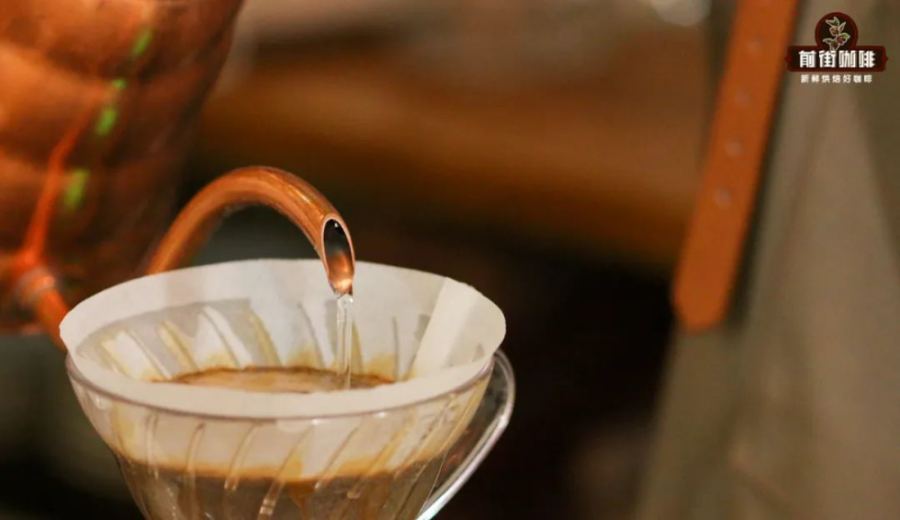
Introduction:Pour over coffee may seem simple, but details like water level often determine the final flavor profile. The same coffee beans can yield noticeably different acidity, sweetness, and body depending on water height. This article analyzes in depth how high and low water levels affect extraction, and based on factors such as dose, filter design, and bean characteristics, provides practical water level recommendations and operational guidance to help you fine-tune your brew and achieve your ideal cup.
Every step of pour over brewing can influence flavor, yet water level—a seemingly minor detail—is often overlooked despite its significant impact. Through multiple tests, we found that even with the same recipe, variations in water height during pouring can markedly change a coffee’s acidity, sweetness, and overall body intensity.
Many beginners following standard pour over procedures often notice differences between their home brews and café versions. Upon closer inspection, the issue frequently lies in water level control during pouring. So, how exactly does water height alter extraction?
Typically, pour over tutorials rarely specify exact "water level markers," nor do they time each pour's start and end down to the second—most guidelines rely on personal habit. As a result, for those just exploring pour over, many variables remain hidden.
Since most pour over filters are inverted cones, they feature flow-guiding ribs or grooves to aid drainage. This design means that while higher water levels increase the total volume in the filter, the flow rate doesn’t necessarily slow down—in fact, it may even speed up slightly. Notably, this implies that coffee may finish dripping sooner at high water levels, resulting in a slightly shorter overall extraction time.
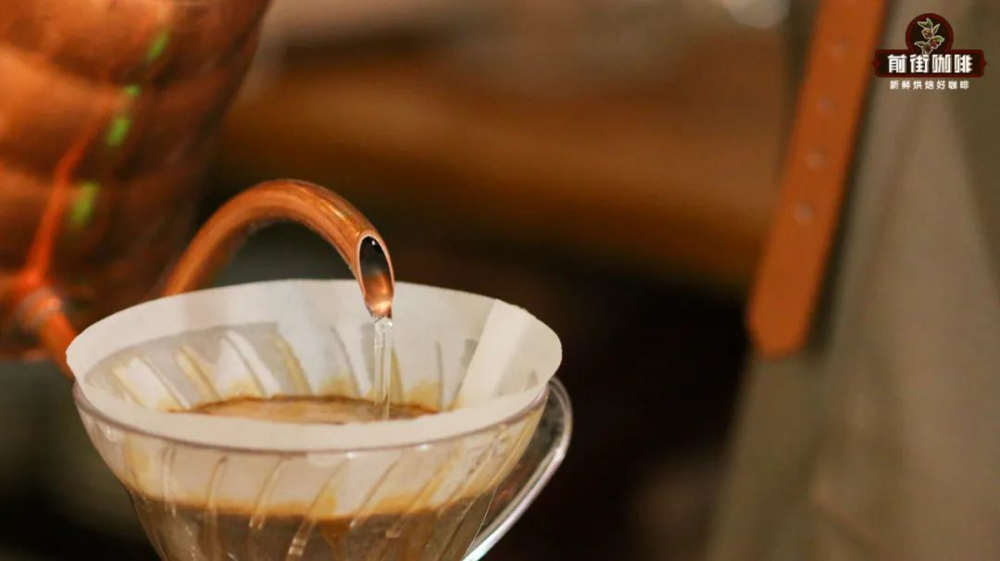
Based on hands-on experience, using the same coffee beans, increasing water height often brings out brighter acidity, more distinct flavor layers, and a lighter mouthfeel. Conversely, keeping the water level lower tends to extract a fuller body and pronounced sweetness.
So, in practice, how should you choose the right water level based on bean type and personal preference?
For coffee beans with floral and fruity acidity profiles—such as many lightly roasted African beans—it’s recommended to moderately raise the water level after the bloom. The exact height can be adjusted based on dose and bean freshness. For example, using a small filter (like a V60) with 15 grams of coffee, raising the water level to one-half to one-third the height of the filter’s inner short ribs helps highlight clear, vibrant flavors without making the cup overly heavy.
However, be cautious: further raising the water level may lead to an overly watery taste. The reason is that 15 grams of lightly roasted coffee often struggles to form a stable coffee bed to support high water levels—especially when the water exceeds half the height of the short ribs, where water tends to flow along the edge too quickly, causing uneven extraction or a watered-down flavor.
If using 20 grams of coffee, you can moderately raise the water level to the rim of the filter. This is also why it’s generally not advised to use more than 20 grams in small filters—the combination of higher dose and water level becomes more critical.
On the other hand, if your coffee beans are processed via anaerobic fermentation, sun-dried, or honey methods—often naturally rich in sweetness and complex layers—a lower water level is preferable. Again, taking 15 grams of coffee and a small V60 as an example, keeping the water level at the base of the filter’s short ribs helps concentrate hot water on the coffee bed, suppressing excessive acidity and highlighting rich sweetness and tropical fruit notes.
In summary, the height of water in pour over brewing isn’t just a visual difference—it directly affects water flow speed, evenness of coffee bed contact, and overall flavor expression. Mastering this variable allows you to more flexibly shape your coffee’s flavor profile to suit your taste.
The above content is compiled by CoffeeHunters, a coffee news website.


