







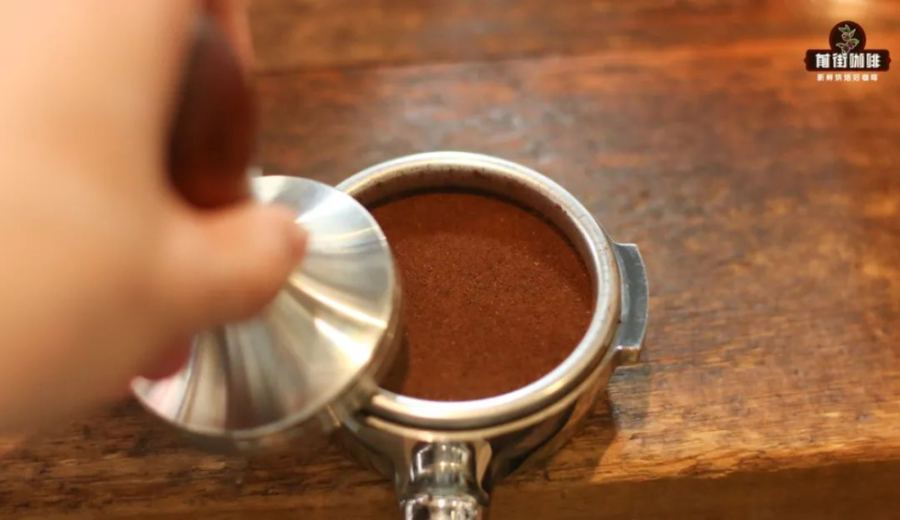
Introduction:Does tamping pressure really affect the extraction performance of espresso? This article conducts practical tests using two different grind sizes, applying both 1.8 kg and 9 kg of tamping pressure, and observes changes in flow rate and extraction time. The data shows that grind fineness directly influences puck density, which in turn affects the actual outcome of tamping pressure. Understanding these principles can help you more accurately control extraction parameters and improve the consistency of espresso flavor.
When making the perfect shot of espresso, tamping is far more than just "pressing down" the coffee grounds. This seemingly simple step actually has a potential impact on the final extraction’s flow rate, concentration, and even overall flavor profile. So, how much pressure should be applied when tamping? And what changes can different levels of pressure bring?
In this test, we conducted a set of practical experiments under two different grind settings, using both 1.8 kg and 9 kg of tamping pressure to tamp and extract the same amount of coffee grounds. The goal was to clarify the actual impact of tamping pressure on extraction and to explore its relationship with grind fineness.
In the first round of testing, the grind setting was adjusted to a finer 1.6, using 18.5 grams of coffee grounds. First, tamping at 1.8 kg resulted in 37 grams of extracted coffee over a total of 27 seconds. Then, under exactly the same conditions, the tamping pressure was increased to 9 kg. The same 37 grams of coffee were extracted, but the extraction time extended to 36 seconds, with the flow rate becoming noticeably slower and the initial drip starting about 2–3 seconds later.
In the second round of testing, we adjusted the grind setting to a coarser 2.2, increasing the coffee grounds to 19.5 grams. When tamping at 1.8 kg, we obtained 39 grams of coffee in 28 seconds; under the same conditions but tamping at 9 kg, the coffee output remained at 39 grams and the extraction time stayed at 28 seconds, showing no significant difference.
From these two sets of comparisons, it can be observed that when the grind is finer, different tamping pressures have a significant impact on the extraction results; however, when the grind is coarser, using either 1.8 kg or 9 kg yields almost identical extraction performance. The key reason lies in the fact that puck density is directly affected by grind fineness.
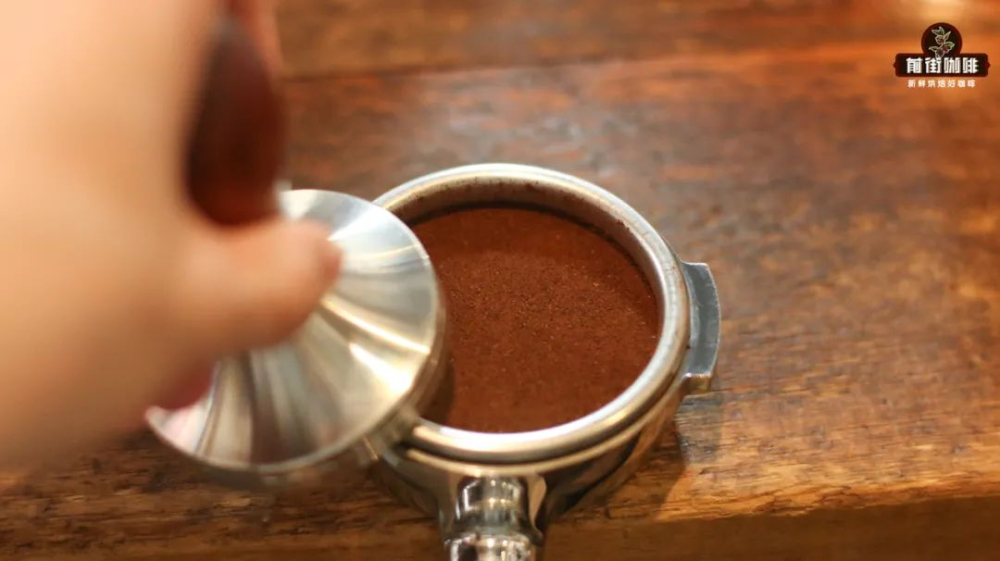
When using a finer grind (such as a 1.6 setting), the gaps between coffee particles are smaller, resulting in a denser puck after tamping. In this case, if a lighter tamping pressure of 1.8 kg is applied, the compactness of the puck is limited, allowing water to pass through more easily, thus resulting in a faster flow rate. Conversely, if a higher pressure of 9 kg is used, the puck is compressed more tightly, leaving even smaller internal gaps, which greatly increases water resistance and leads to a noticeably longer extraction time.
However, when the grind is coarser (such as a 2.2 setting), the coffee particles themselves are larger, and the natural gaps between them are already relatively big. Whether tamping at 1.8 kg or 9 kg, it is not possible to significantly increase the puck's compactness—because the distance between coffee particles limits the maximum achievable density of the puck. Therefore, there is almost no difference in flow rate or extraction time between the two pressure levels.
These test results remind us that the influence of tamping pressure is not absolute, but closely related to the grind size. If your grind setting is finer, then controlling tamping pressure becomes more important, as it directly affects puck density and thereby alters water flow speed and extraction efficiency. On the other hand, if you're using a coarser grind, variations in tamping pressure within a certain range have relatively limited impact on the final extraction.
For daily brewing, it is recommended to adjust tamping pressure based on the grinder’s settings and desired output. If you aim for stable and consistent extraction, in addition to precisely controlling grind size and coffee dose, also pay attention to the uniformity and appropriate level of tamping pressure—avoiding over-tamping or under-tamping, which can negatively affect the texture and flavor expression of the espresso.
The above content is compiled by CoffeeHunters, a coffee news website.


