







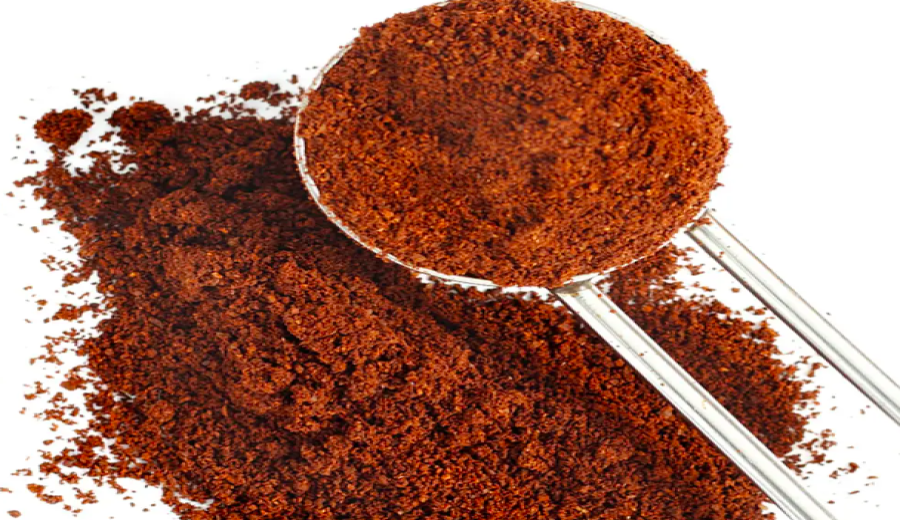
Introduction:Many coffee enthusiasts, for the sake of convenience, often ask shops to grind their espresso beans into powder in advance. However, this practice actually poses several hidden concerns when it comes to brewing espresso. This article will delve into why pre-ground espresso beans are not ideal by examining three key aspects: flavor preservation, the impact of carbon dioxide loss on crema, and the extremely high precision required for grind size. It will also explain the actual optimal shelf life of coffee powder. Understanding these details can help you achieve near-professional quality even when brewing at home.
In the retail coffee market, grinding coffee beans for customers is a common convenience service. However, if your goal is to make a high-quality cup of espresso, it’s advisable to carefully consider whether to use pre-ground coffee. From flavor retention and the release of carbon dioxide to the stringent requirements of grind fineness, there are many easily overlooked yet crucial factors involved.
First and foremost, the rate of flavor loss is a major issue with pre-grinding. Whole coffee beans can effectively block oxygen and moisture, slowing down the evaporation of aromatic compounds. Typically, in their whole form, beans can maintain good flavor for over 50 days. However, once ground into fine particles, the surface area exposed to air increases dramatically, causing aromatic molecules to dissipate rapidly. This leads to a noticeable decline in flavor within just 30 days—especially apparent when brewing espresso, where the richness of aroma can become bland and unremarkable.
Moreover, the naturally occurring carbon dioxide within coffee beans is also a critical element that affects coffee quality. Once the beans are ground, carbon dioxide escapes more quickly, and this gas plays a key role in forming crema (the coffee’s oily layer). Crema is not only visually appealing but also serves as an indicator of extraction quality and freshness. Espresso made with pre-ground coffee may still have a relatively rich crema in the first few days after opening, but thereafter, you can often observe the crema thinning out almost daily until it eventually disappears.
The second factor that cannot be ignored is the extreme precision required for grind size in espresso brewing. Different brands and models of espresso machines may have vastly different grind fineness requirements. Even with the same machine model, slight variations in each unit’s pressure system or grinder burr condition can mean the optimal grind size needs frequent adjustment. Commercial espresso machines usually come equipped with large-capacity boilers that provide a stable high-pressure extraction environment. However, many home machines, despite being labeled as 15 bar, may actually operate with fluctuating pressure, leading to unstable extraction flow rates and affecting the final taste.
Additionally, even if you’re using the same model of grinder as a coffee shop, it doesn’t guarantee consistent results each time. This is because coffee beans continuously undergo a “degassing” process—releasing internal carbon dioxide—which changes the beans’ density and extraction characteristics. As a result, many professional coffee shops recalibrate their grinders almost daily at opening to ensure the day’s coffee grounds are suited to the current state of the beans.
For example, if yesterday it took 26 seconds to extract 40 grams of liquid using 20 grams of coffee grounds, but today the same settings only take 22 seconds, it indicates the flow rate is too fast—likely requiring a finer grind adjustment. Usually, only about a 0.5-notch change is needed, but such a subtle difference is nearly invisible to the eye and can affect the total extraction time by around 7 seconds. Another scenario might be that the time remains unchanged, but the flavor becomes off—such as increased astringency or sourness—which could also stem from a slight grind deviation and would similarly require immediate adjustment.
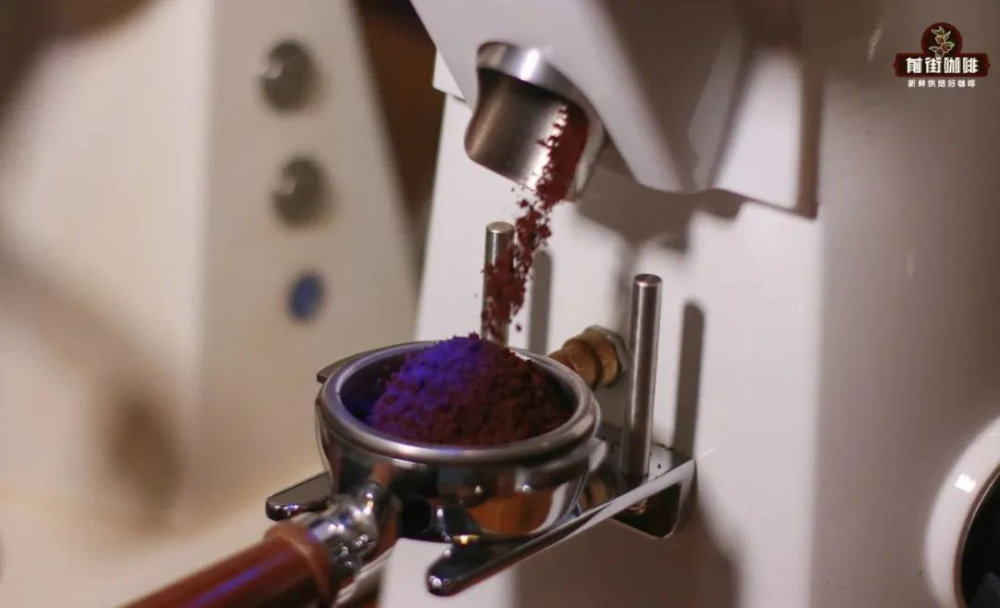
In short, brewing espresso is a craft that demands extreme precision. Every step—from bean storage and grind details to daily parameter adjustments—affects the final cup’s outcome. If you hope to enjoy espresso at home that’s rich in crema, bursting with aroma, and balanced in flavor, it’s best not to casually opt for pre-ground coffee, let alone grind large quantities in advance. Keeping beans fresh and grinding them on demand is the key to achieving high-quality coffee.
The above content is compiled by CoffeeHunters, a coffee news website.


