







Introduction:Many pour over coffee enthusiasts hope to brew coffee with a pronounced sweetness, but sweetness is not something that can be forcibly extracted through a specific brewing technique alone. Instead, it emerges as a result of the balance among acidity, bitterness, and sweetness. This article delves into the release patterns of substances in coffee at different extraction stages, explains how the ideal extraction yield falls between 18% and 22%, and provides adjustment strategies for water temperature, grind size, coffee-to-water ratio, and pouring techniques—targeting two common mistakes, over-extraction and overly conservative brewing—to help you consistently bring out the natural sweetness in your pour over coffee.
The reason why the sweetness in coffee is so captivating is not just because it delivers direct taste pleasure, but also because it stimulates dopamine secretion, creating a sense of happiness. However, sweetness is never presented in isolation—it only becomes prominent when a delicate balance is struck between acidity and bitterness. To draw out this enchanting sweetness through pour over brewing, we must first understand the logic behind the release of substances in coffee at various extraction stages.
Ideal sweetness usually comes from an extraction yield range of 18% to 22%. This range is widely considered to balance acidity, sweetness, and bitterness harmoniously. Too low, and the flavor becomes thin with indistinct sweetness; too high, and harsh bitterness emerges, throwing off the mouthfeel. During pour over brewing, the release rates of acidity, sweetness, and bitterness vary, and understanding these differences is the first step in adjusting toward a sweeter cup.
The sweetness in coffee isn’t conjured out of nowhere, but is perceived relative to acidity and bitterness. For example, light roasted coffee, which contains fewer bitter compounds, often exhibits a bright, acidic-sweet profile, akin to fruity notes. In contrast, dark roasted coffee, with higher bitter content, tends to present sweetness in the form of caramel or nutty bitterness-sweetness. Understanding the characteristics of coffee at different roast levels can also help us extract sweetness more precisely.
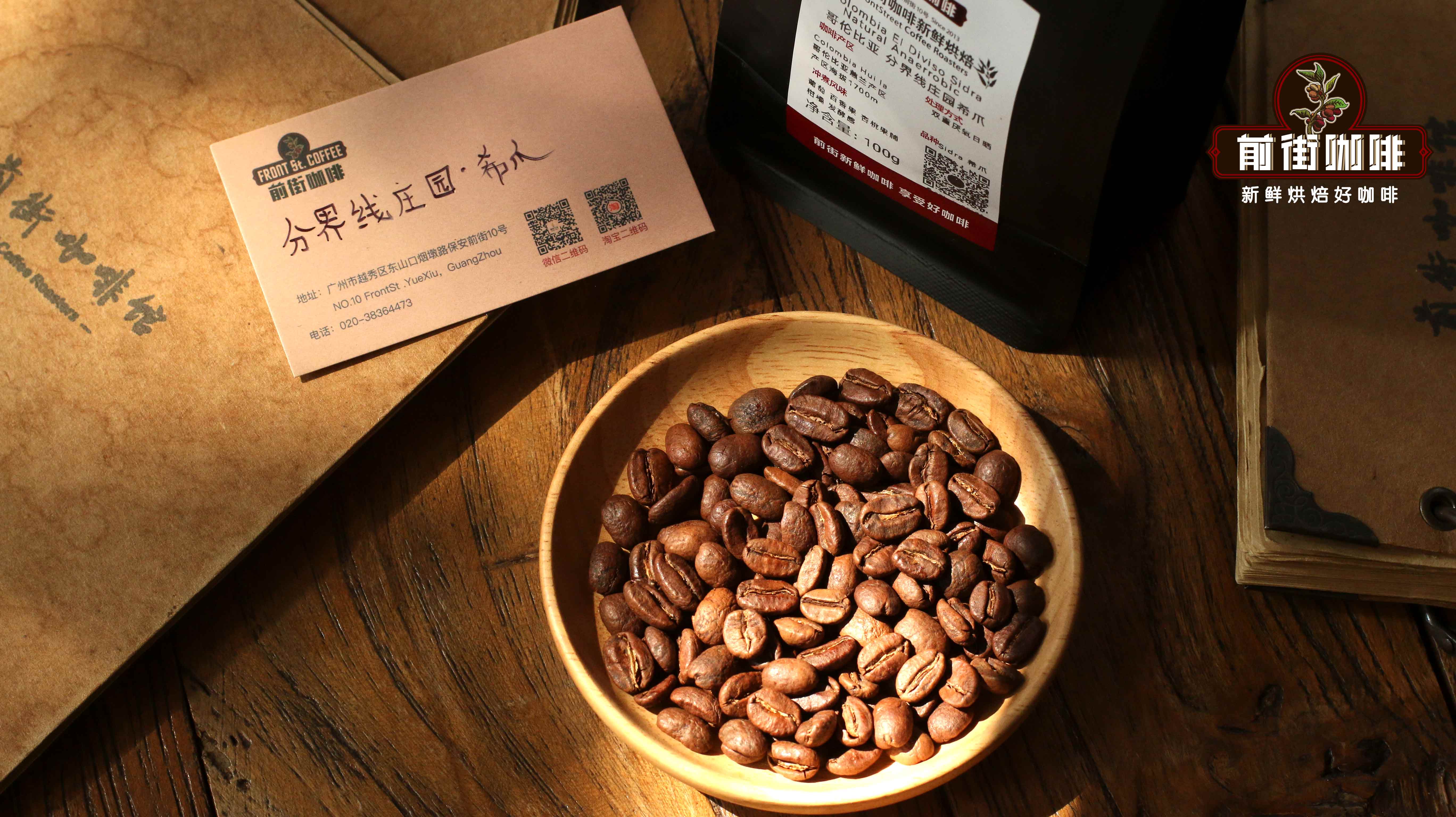
Lightly roasted coffees with noticeable sweetness—such as Sidamo, Blackberry, and Huakui—are ideal for those who enjoy fresh fruity acidity and sweet aromas; medium roasts like 2013 Yunnan Peaberry and Bird of Paradise offer a rounder sweetness and better balance; dark roasts like Queen Estate and Brazilian Cerrado shine with rich caramel-like sweetness and full body. These are all great options to explore for a sweet coffee experience.
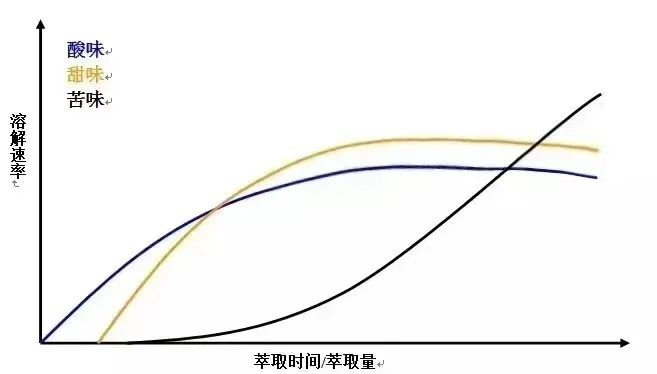
To successfully extract the sweet compounds in coffee, the key lies in mastering the timing of the release of each flavor component throughout the entire extraction process. In the early stage of extraction, acidic compounds are released first, along with some early-released sweetness and bitterness. As extraction time extends into the mid-stage, the release of acidity slows down, while the efficiency of sweetness release gradually increases and surpasses that of acidity. Bitterness, meanwhile, begins to accumulate at a more moderate pace.
In the later stage of extraction, acidity is almost entirely depleted, sweetness also starts to decline, and the release rate of bitter compounds noticeably accelerates. Therefore,the ideal extraction for sweetness is completed when the release of sweet compounds peaks, but before a significant amount of bitterness has been extracted. This typically corresponds to an extraction yield of around 18% to 22%—a range that most coffee lovers agree delivers the most balanced flavor.

In actual pour over brewing, the common scenarios where sweetness fails to emerge can be grouped into two main types: over-extraction and overly conservative extraction.
Over-extraction refers to a situation where, although a large amount of sweet compounds are released, bitter compounds are also excessively extracted. This results in bitterness overpowering sweetness in the overall flavor, while acidity is not properly suppressed—leaving the coffee tasting both sour and bitter, with sweetness becoming indistinct. If your brewed coffee shows such issues, it’s advisable to first check the water temperature setting—for light to medium roasts, aim for 90–93°C, and for medium to dark roasts, use 86–89°C, choosing the lowest temperature within the range if possibleto reduce the risk of over-extraction.
Additionally, pay attention to whether the grind size is too fine. If the extraction time exceeds 2 minutes 30 seconds for 15 grams of coffee or 3 minutes for 20 grams, it likely indicates the grind is too fine, hindering water flow, prolonging extraction time, and increasing the release of unwanted compounds. In such cases, adjusting to a slightly coarser grind can help control extraction time and maintain flavor balance.
Another common issue is overly conservative extraction, usually stemming from an excessive fear of late-stage bitterness. Many beginner coffee brewers opt for a coarser grind and shorter extraction time (e.g., finishing in under 2 minutes), resulting in an overall extraction yield of only around 17–19%. While this approach avoids bitterness, it also suppresses sweetness release, leaving the coffee flavor dominated by bright acidity, with sweetness barely perceptible.
If you find that your coffee is dominated by acidity, lacks sweetness, and you're using a 1:15 or lower coffee-to-water ratio, consider increasing the ratio to1:16 or even 1:17. By increasing the total water volume, you extend the overall extraction time, thereby raising the proportion of sweet compounds released. This makes the sweetness more pronounced and the flavor profile more layered.
However, if your coffee is already light-bodied, extending the coffee-to-water ratio might make the texture overly thin. In that case, try using a segmented pouring technique to lengthen extraction time. For instance, if you’re using a three-pour method with a 1:16 ratio but the acidity still dominates, increase the number of pours to four. This not only extends the total extraction time, but also concentrates the “flush-style extraction” of the mid-to-late stages on the segment where sweet compounds are released most efficiently, effectively enhancing sweetness.
The above content is compiled by CoffeeHunters, a coffee news website.


