







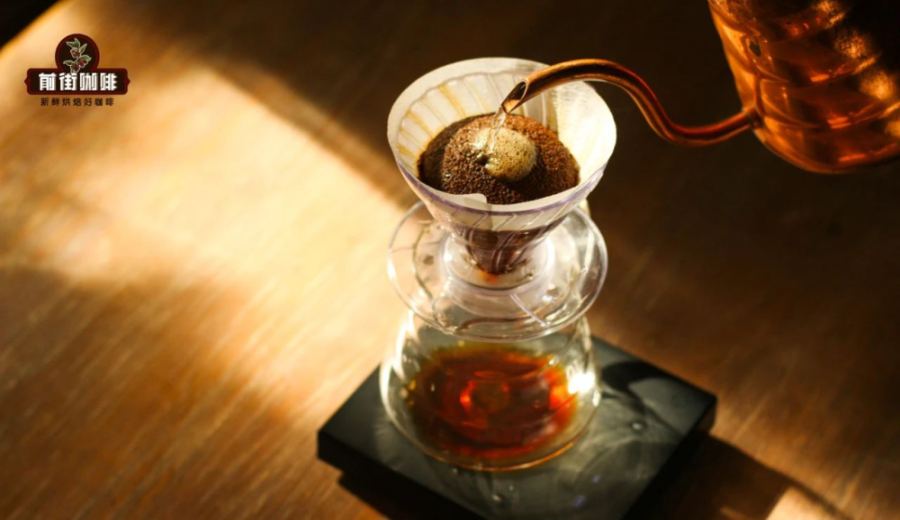
Introduction:High concentration with low extraction is a brewing strategy in pour over coffee that emphasizes balancing concentration and extraction yield. By adjusting the coffee-to-water ratio, it enhances the richness of the coffee while leaving room for subsequent adjustments. This article delves into the practical details of this method, teaching you how to flexibly use the bypass water technique to avoid over-extraction risks and brew a pour over coffee with balanced flavor and distinct character.
In the world of pour over coffee, "high concentration with low extraction" is gradually becoming a favored technique among many coffee enthusiasts and professional brewers. The core of this method lies in precisely controlling the coffee-to-water ratio to achieve a higher concentration of coffee liquid while maintaining the extraction yield at a relatively lower range. Such a design not only highlights the rich layers of coffee flavors but also provides ample flexibility for subsequent adjustments.
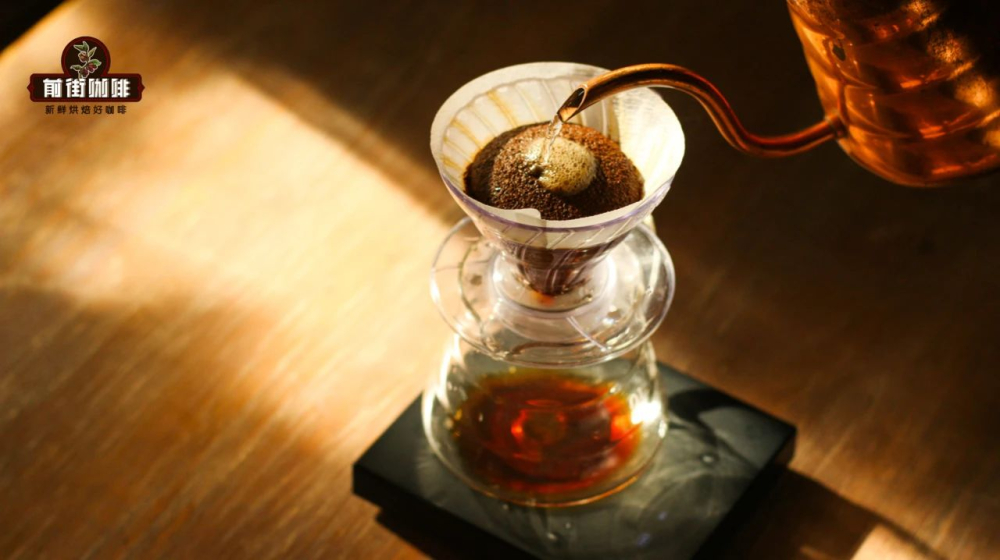
So-called high concentration with low extraction is actually an extraction strategy oriented toward the final quality of the coffee liquid presented. Its focus is that even if the initial extraction results in a relatively high coffee concentration, it does not affect the overall drinking experience, because the so-called bypass—i.e., adding hot water—can adjust the concentration to a personally preferred range. This is quite different from traditional methods that emphasize high extraction yields, yet it offers a much wider margin for error.
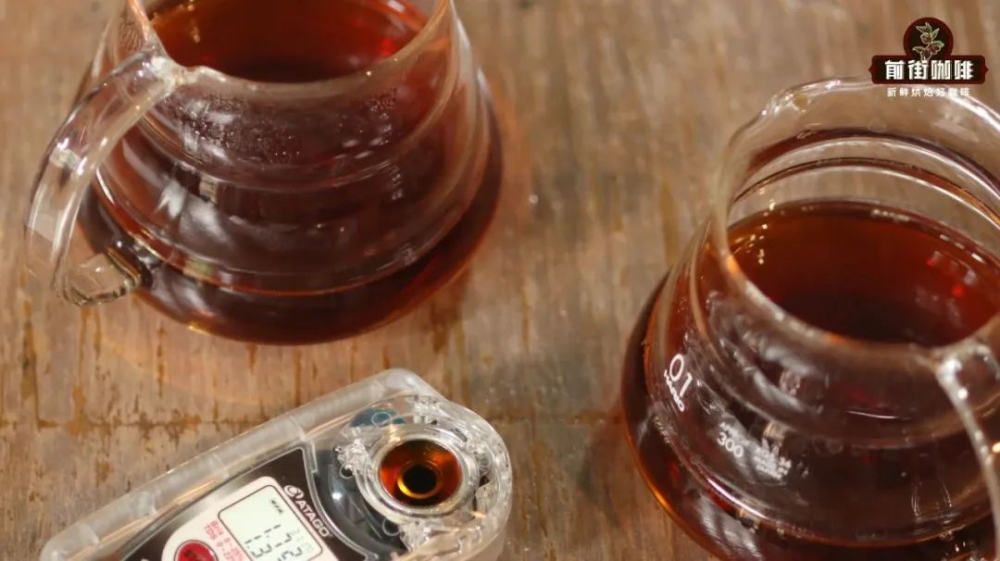
Often, we may have unknowingly practiced similar techniques, even if we’ve never heard of the term "high concentration with low extraction." Especially when experimenting with different coffee-to-water ratios, if the coffee tastes weak, it’s often difficult to salvage the flavor afterward; but if the concentration is slightly high, it can be easily adjusted by diluting with water. Therefore, mastering this extraction logic allows you to be more composed during the pour over process and reduces the risk of mistakes.
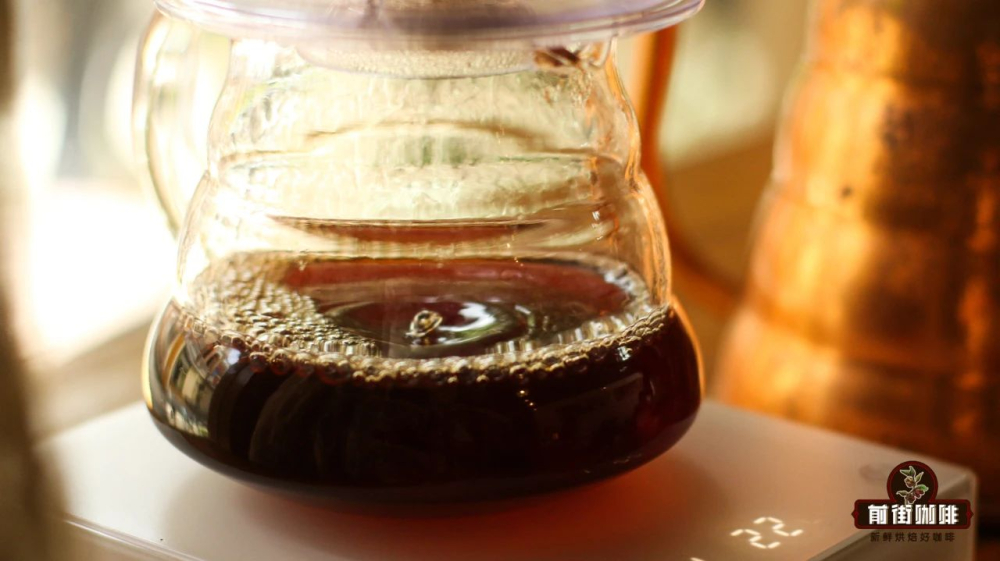
So, how do you practically execute high concentration with low extraction? The key lies in setting the coffee-to-water ratio, which is the most direct factor affecting concentration and extraction yield. Generally, the common coffee-to-water ratio range for high concentration with low extraction falls between 1:12 and 1:15, and some even use a more concentrated 1:10 ratio to enhance flavor expression. However, the specific ratio still needs to be fine-tuned based on the characteristics of the coffee beans, grind size, and personal taste preferences.
In practice, adjusting the coffee-to-water ratio for high concentration with low extraction can be divided into active and passive approaches. Active adjustment means setting a higher coffee-to-water ratio from the beginning, intentionally brewing a more concentrated coffee liquid, and then deciding whether to add water based on the situation; passive adjustment may occur due to variables during the brewing process—such as low water temperature or insufficient extraction time—resulting in a higher-than-intended concentration, which is then fine-tuned using the bypass method.

It’s important to note that although high concentration with low extraction provides the flexibility to adjust with water, overly concentrated coffee liquid may still carry the risk of over-extraction, such as prominent bitterness or a thin mouthfeel. Therefore, it’s recommended to start with a coffee-to-water ratio of 1:13 or 1:14 for your first attempts, observe the color, aroma, and taste of the coffee extraction, and then gradually adjust to the ratio that suits you best.
Additionally, the choice of grind size is also a crucial factor affecting the success of high concentration with low extraction. Generally, a medium-fine grind helps improve extraction efficiency, but it can also lead to over-extraction if the contact time is too long. Therefore, it’s advisable to choose an appropriate grind setting based on the brewing device used—such as V60, Kalita Wave, or French press—and find the optimal balance through small-scale testing.
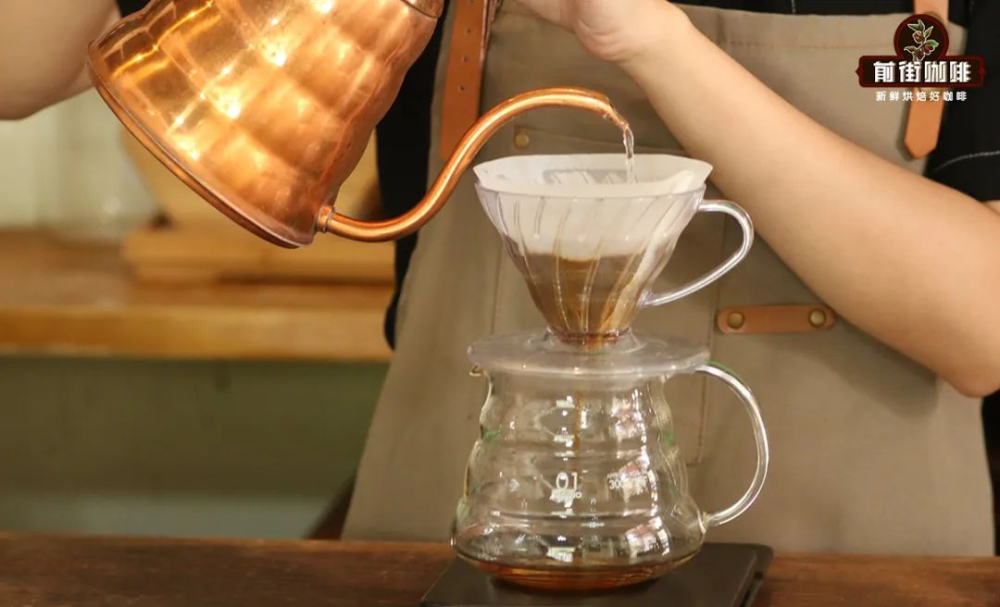
In summary, high concentration with low extraction is a flexible and practical pour over strategy that helps you find the most suitable balance between concentration and extraction yield for yourself. Whether you’re a beginner or a coffee enthusiast pursuing refined flavors, mastering this method can make your pour over coffee more stable and expressive. Remember, there are no absolute standards in coffee brewing—only continuous experimentation and adjustment can help you find your perfect formula.
The above content is compiled by CoffeeHunters, a coffee news website.


