







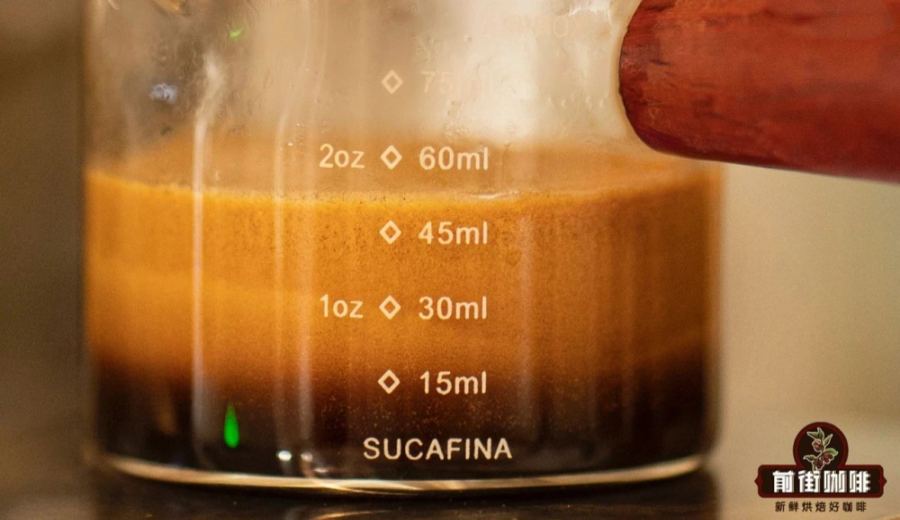
Introduction:The crema on the surface of an espresso is often regarded as a symbol of quality, but is this really the case? This article delves into the formation principles, composition, and what extraction information crema can actually provide. Through real-life examples and a scientific perspective, we’ll explore why you shouldn’t judge a coffee’s flavor solely based on the appearance of its crema, and we’ll also supplement key details about espresso extraction to help you establish a more comprehensive set of evaluation criteria.
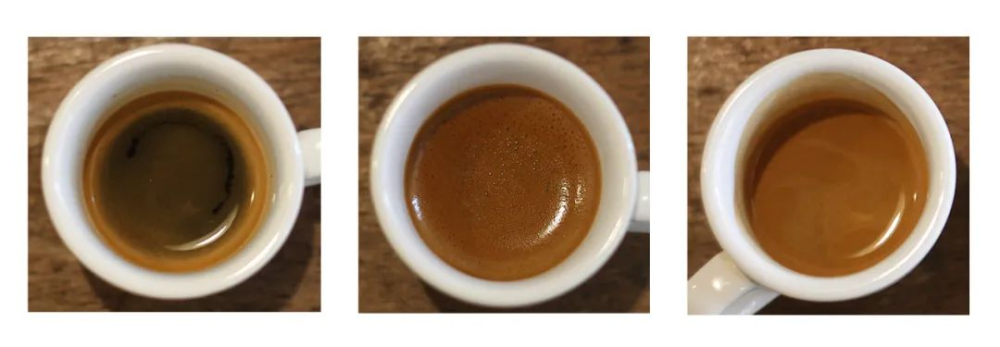
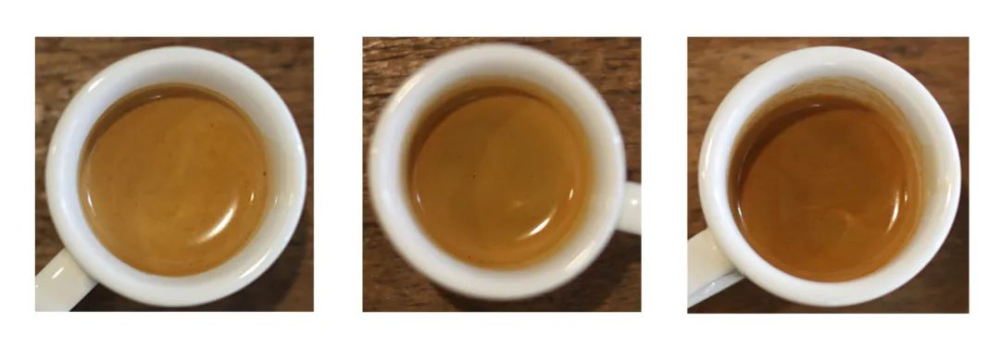
Many coffee enthusiasts are accustomed to judging the flavor performance of an espresso based on the appearance of its crema, believing that a fine, rich, and golden-hued crema is a guarantee of a good cup. But is this view scientifically valid? To clarify the relationship between crema and coffee quality, we designed two multiple-choice questions, inviting readers to pick the better-tasting espresso based on the appearance of the crema. The results showed that relying solely on visual judgment often leads to inaccuracies.
In the first question, most people correctly identified the third shot as the better-tasting espresso; but by the second question, many might have had to rely on luck. In fact, the visual presentation of crema, much like the foam layer on the surface of a pour over coffee bed, can reflect certain aspects of the extraction process, but it cannot be directly equated with flavor quality. Observing crema certainly has its reference value, but it is by no means the only indicator.
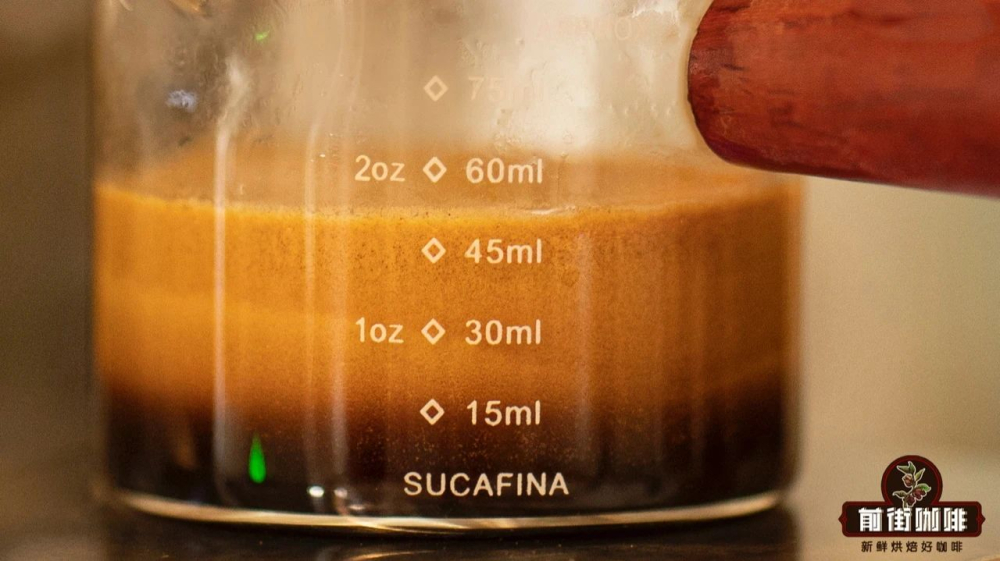
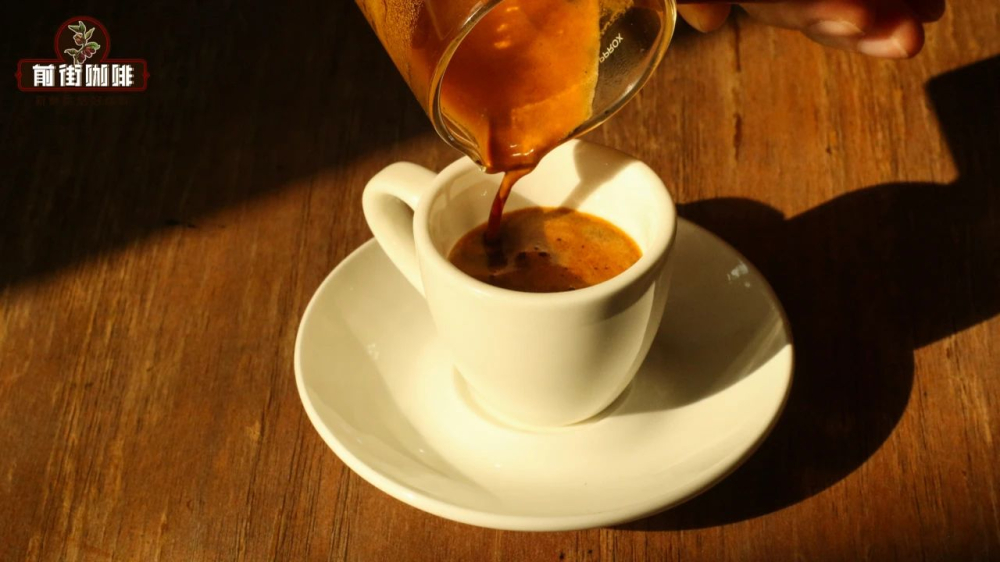
So, what exactly is this fascinating golden layer of crema? Simply put, it is the product of insoluble coffee oils and carbon dioxide mixing under high pressure. When an espresso machine extracts coffee at pressures as high as 9Bar, these substances are forced into the liquid coffee, and then, due to the oils’ insolubility in water, they gradually separate and rise to the surface, forming what we see as the crema layer.
It’s worth mentioning that a similar golden foam can sometimes be seen on the surface of a pour over coffee bed, and its composition also includes small amounts of oil and carbon dioxide. However, since pour over lacks high-pressure conditions, this phenomenon is less pronounced and usually does not form a persistent oil layer.
From a scientific standpoint, the main components of crema include fine particles of coffee oils, carbon dioxide bubbles, and a small number of suspended coffee particles. These elements work together to give crema its unique color and texture. Ideal crema should have a moderate thickness, a fine bubble structure, and a uniform distribution of golden to reddish-brown hues.
However, many factors can influence the final appearance of crema. The roast level of the coffee beans, their freshness, grind size, extraction pressure and time, and even slight variations in water temperature can all alter the visual and textural characteristics of the crema. Therefore, relying solely on the appearance of the oils to judge the overall quality of the coffee often leads to misunderstandings.
For example, overly roasted coffee beans may produce a thicker but darker crema, which doesn’t necessarily indicate superior flavor; conversely, freshly roasted medium-roast beans may form a thinner oil layer but can deliver a more balanced flavor profile. Additionally, if the extraction pressure is unstable or the coffee grounds are unevenly ground, it can lead to large bubbles, uneven layering, or rapid dissipation of the crema.
For readers who want to gain a deeper understanding of espresso extraction, observing changes in crema can indeed provide some useful clues. For instance, the rate at which crema dissipates can reflect the coffee’s freshness—fresher coffee typically maintains its oil layer for longer; and whether the extraction pressure is adequate can also be inferred from the evenness of the crema distribution.
But it’s important to remember that crema is just one reference factor within the entire extraction process. To truly assess the quality of an espresso, you also need to comprehensively consider multiple dimensions such as its flavor profile, acidity-sweetness balance, body, and aftertaste. Beginners are advised, when practicing extraction, to not only observe the state of the crema but also to record various parameter changes and use cupping sessions to build a more complete sensory evaluation ability.
In summary, although the crema layer on the surface of an espresso can provide some extraction information, it absolutely cannot be the sole criterion for judging the quality of coffee. By understanding its formation principles and influencing factors, we can view this golden layer of oils more rationally and shift our attention toward a more holistic tasting experience. Whether you’re an amateur enthusiast or a professional barista, cultivating diverse sensory evaluation skills is the key to improving your espresso extraction standards.
The above content is compiled by CoffeeHunters, a coffee news website.


