








Introduction:Have you noticed that the common 500ml large cup of coffee on the street has quietly shrunk to 250–300ml, yet the price keeps going up? Behind this lies a shift in coffee quality. This article delves into how reduced serving sizes affect the flavor profiles of Americano and latte, explores the critical role of smaller cup designs in extraction ratios, breaks down the cost logic behind premium SOE beans that justify higher prices, and finally shows you how to replicate a professional-level rich taste at home.
Walking through streets and alleys, the once-common 500ml large coffee cups people used to carry have noticeably shrunk over the past year or two. Nowadays, most coffee cups range between 250–300ml in volume, yet prices have not dropped—in fact, they continue to rise. Such changes often leave consumers puzzled, wondering if shops are playing a “small cup, high price” trick. But in reality, this shift reflects a key transformation toward improved coffee quality.
Take the most common Americano as an example. Traditionally, it is made by diluting espresso with water. Based on a double shot of espresso, the traditional 500ml cup size would typically dilute the espresso to a ratio of 1:7 to 1:8, whereas the current 250ml cup size concentrates it to a ratio of 1:4 to 1:5. This means that with less water, the flavor of the small cup becomes naturally more concentrated and robust—assuming the espresso extraction parameters remain consistent.
It’s also worth noting that modern cafés have adjusted the amount of coffee grounds used for a double shot. Previously around 14g, it has now generally increased to 18g, further intensifying the flavor of the small cup. The same principle applies to lattes, where some of the water is replaced with milk. Large lattes, due to their high milk proportion, often mask the true flavor of the coffee, whereas a 300ml small cup with a milk ratio of 1:5 to 1:6 achieves the best balance.
Beyond flavor considerations, the actual drinking experience of large cups is another reason why shops are reducing serving sizes. Many consumers report that large cups are often too big to finish or that the coffee turns cold and loses its appeal over extended drinking times. This has led cafés to gradually standardize smaller cup sizes to ensure every sip delivers the coffee at its best.
As for the price increase, it mainly stems from the use of higher-quality coffee beans. In recent years, the popular SOE (Single Origin Espresso) coffee, though served in smaller cups, often comes with a price tag of twenty to thirty yuan per cup. These higher prices reflect the procurement costs and processing craftsmanship of premium coffee beans.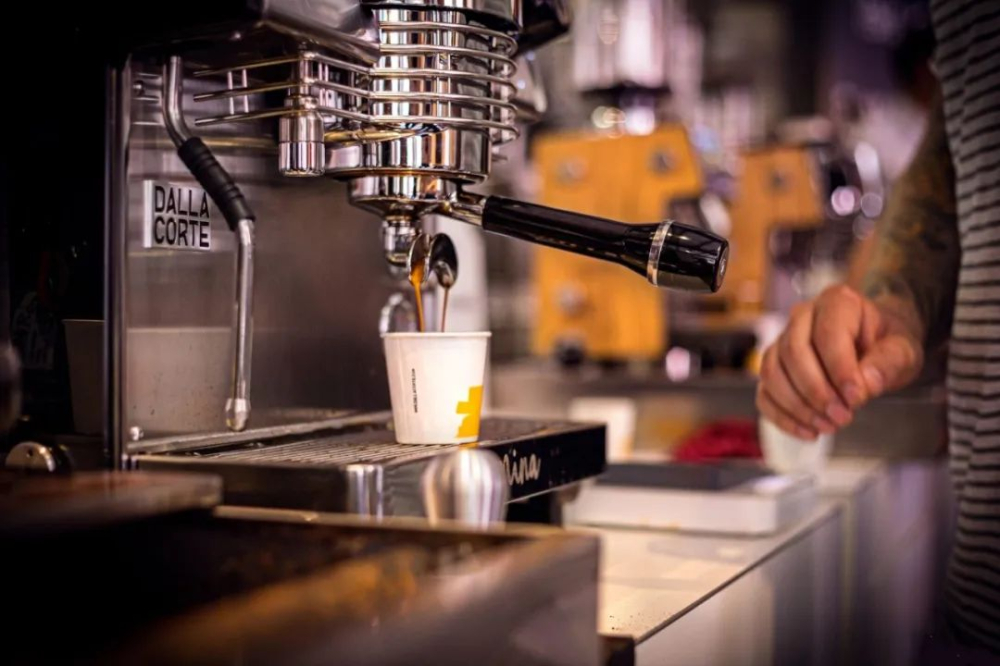 SOE coffee beans, with their distinct regional characteristics, can showcase unique flavor profiles that are hard to match with ordinary blended beans.
If you want to replicate this small-cup, high-quality coffee experience at home, it’s recommended to pay attention to adjusting extraction parameters. For example, with pour over coffee, you can try lowering the coffee-to-water ratio by adjusting the common 1:15 to 1:12 to 1:13, which will yield a richer taste. At the same time, be mindful of subtle changes in grind size—a finer grind can improve extraction efficiency, but be careful to avoid over-extraction, which can lead to bitterness.
The above content is compiled by CoffeeHunters, a coffee news website.


