







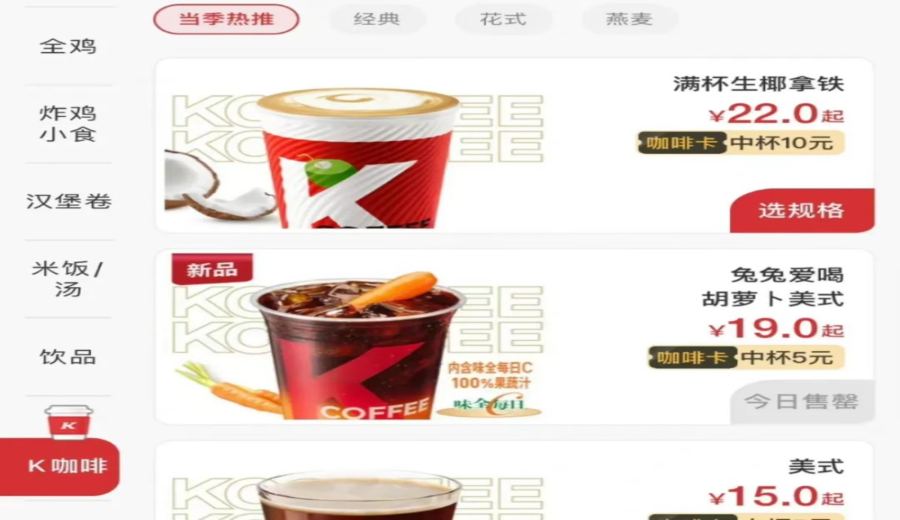
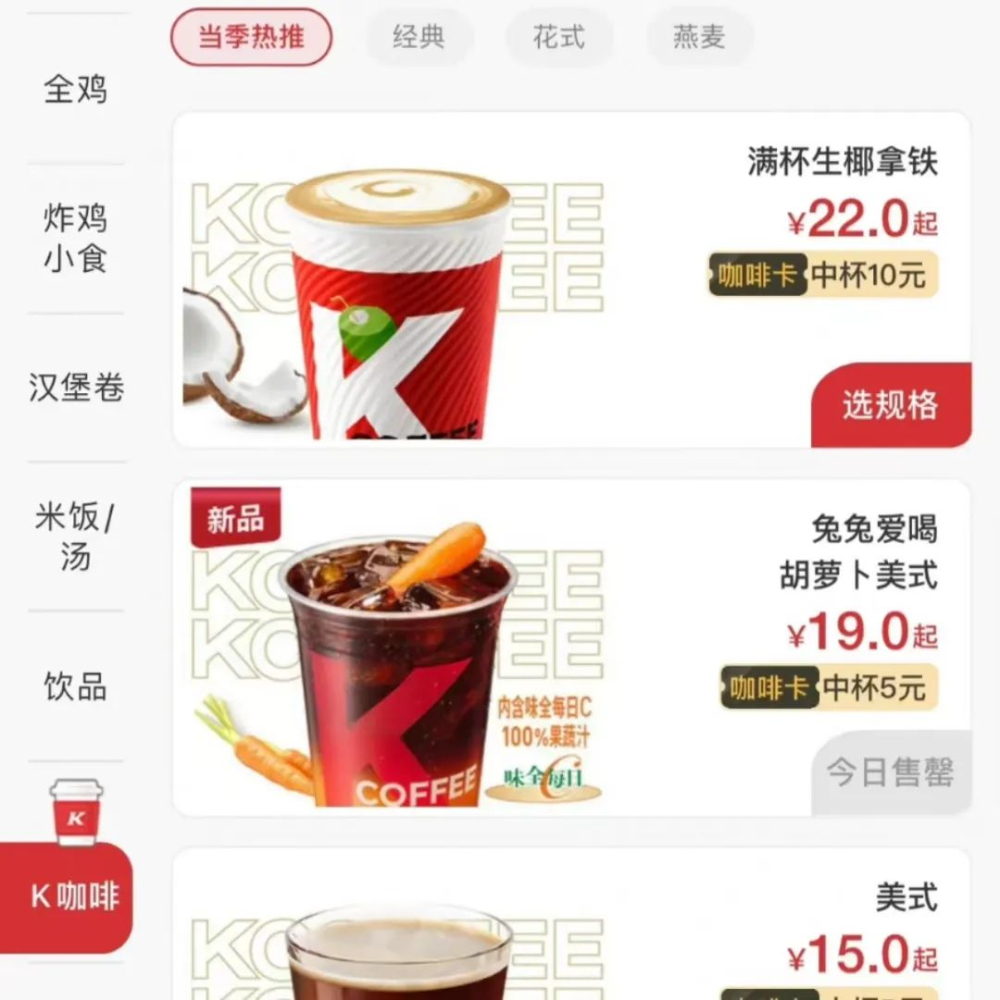
Introduction:During the Year of the Rabbit in the Chinese lunar calendar, KFC’s K Coffee collaborated with Wei Quan to launch a limited-edition drink called “Bunny’s Favorite Carrot Americano,” which innovatively combines Arabica coffee with 100% carrot fruit and vegetable juice. Priced at 19 RMB per cup, it was available only in limited quantities in Beijing, Shanghai, Guangzhou, and Shenzhen. This unconventional vegetable-flavored coffee sparked heated discussions on social media, but public reception was distinctly polarized. Below, we’ll take an in-depth look at its formulation, actual flavor profile, and market feedback to help you understand this love-it-or-hate-it creative beverage.
During the Lunar New Year season, many brands launched rabbit-themed marketing campaigns, but KFC chose to focus on rabbits’ favorite food—carrots—as the creative angle. To celebrate the Year of the Rabbit, KFC’s K Coffee teamed up with Wei Quan to create the first-ever juice-and-coffee fusion drink, “Bunny’s Favorite Carrot Americano,” challenging consumers’ taste buds with this novel combination.
This special coffee drink is priced at 19 RMB per cup and began limited sales in major cities including Beijing, Shanghai, Guangzhou, and Shenzhen starting February 20. Customers who show any item featuring a “carrot” element can also redeem a free small sample-sized version at designated stores, attracting many to come and try it out.
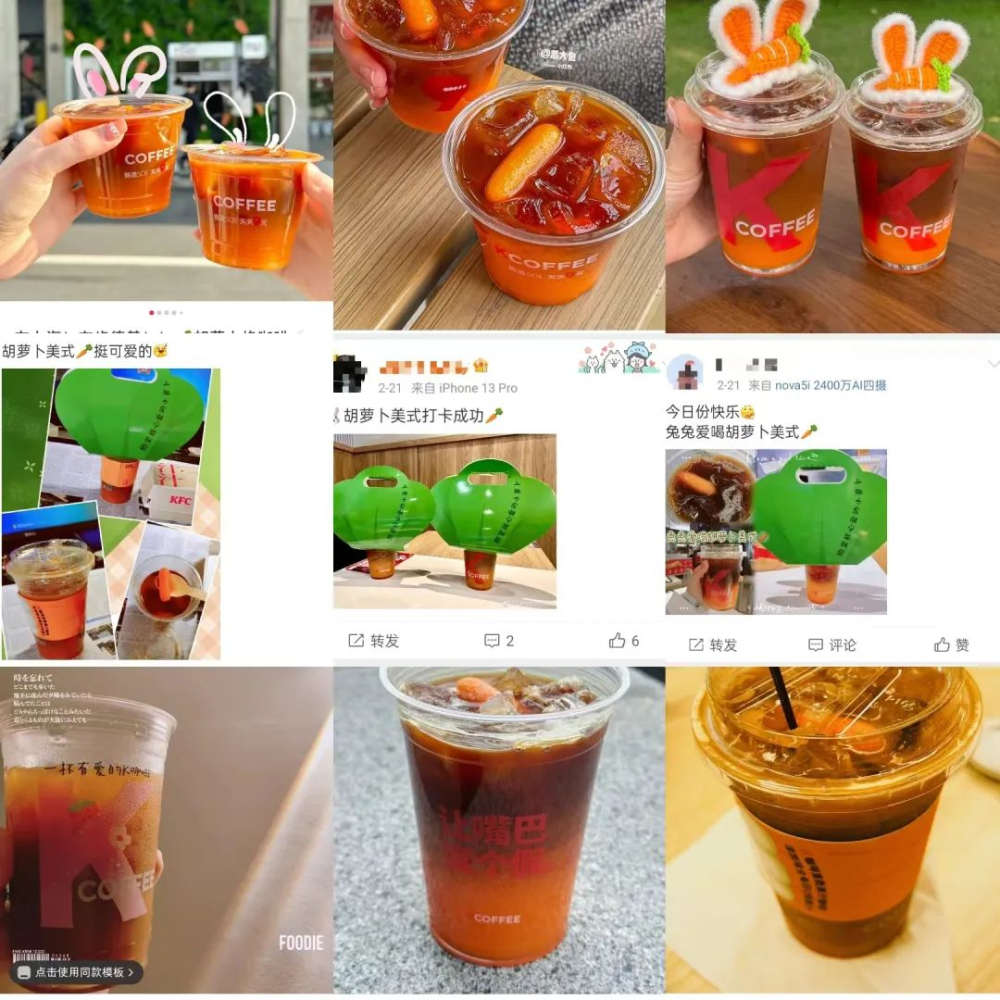
According to official information, the highlight of this carrot Americano lies in its unique two-layer structure: the bottom layer is 100% pure carrot fruit and vegetable juice produced by Wei Quan Daily C, while the top layer is covered with dark-roasted Arabica coffee. It is topped with a mini thumb-sized carrot as decoration, paired with a paper cup sleeve printed with green leaf patterns, creating a fun “3D carrot” look from the outside.
Before even taking a sip, one can clearly see the thick carrot juice settled at the bottom of the cup, and the decorative mini carrot looks like a toy that accidentally fell into the drink, adding quite a bit of conversation value. The moment the lid is opened, a slightly sour and tangy aroma hits the nose, with even a faint hint of fermented pickles, reminiscent of the unique scent of the Chinese soup dish, spicy and numbing soup.
The first sip brings an intense sourness that immediately hits the tip of the tongue, followed by the mild bitterness of the coffee itself, similar to the taste of lightly flavored hot pot water. Then come the natural sweetness and herbal grassiness unique to carrots, along with a slight astringent aftertaste reminiscent of underripe carrots. Eating the included thumb carrot along with the drink makes the overall experience feel like being in a traditional wet market—the flavor is truly unique. Although the caffeine boost is noticeable, most people say they’re unlikely to voluntarily choose to drink it again.
After its launch, the drink quickly sparked extensive discussion on social platforms such as Xiaohongshu and Weibo, with user reviews sharply divided. Users who enjoy carrots or prefer sweet-and-sour flavors generally gave positive feedback and even actively recommended it to friends. However, many more consumers were surprised and disappointed by this innovative combination, calling it a “flavor landmine.”
One netizen likened its taste to “armpits with carrots added,” vividly expressing their reaction to this unusual pairing. Additionally, a commenter on Bilibili humorously dubbed it “Carb-Making Madness” (a play on “胡作非为” [acting recklessly]), capturing the brand’s bold experimental spirit and reflecting the public’s complex feelings about incorporating traditionally unpopular vegetables into coffee.
In recent years, the tea beverage market has seen several creative drinks inspired by vegetables, with bitter melon paired with lemon tea being the most successful. The refreshing sour-sweetness of lemon effectively neutralizes the inherent bitterness of bitter melon, making it a popular choice for beating the heat during summer. However, when this trend of vegetable-infused drinks extended to the coffee category—especially with an ingredient like carrots, which consistently ranks high on the “most disliked vegetables” list—consumer acceptance has generally been low, with many people feeling resistant even before trying it.
As summer approaches, to stand out in fierce competition, many beverage brands are expected to continue launching various creative specials, experimenting with incorporating different flavor ingredients into coffee or tea drinks. It’s uncertain which ingredient will become the next “internet-famous flavor,” but one thing is certain: the market’s acceptance of innovative tastes will remain a key area of both challenge and opportunity for brands.
The above content is compiled by CoffeeHunters, a coffee news website.


