








Introduction:Although delivery platforms can bring additional orders to coffee shops, they may also dilute brand value. This article delves into how coffee shops can systematically address key aspects of delivery operations — from pricing strategies and delivery menu planning to converting platform traffic into private-domain customers. It offers practical methods for independent cafes to avoid price wars and strengthen brand differentiation, along with useful techniques such as stamp cards and scratch cards to boost in-store conversions.
While delivery platforms open up new sales channels for coffee shops, they also carry the hidden risk of brand devaluation. Many shop owners have found that relying solely on price competition not only yields slim profits but can also damage the long-term trust built with customers. This article provides a comprehensive breakdown of every critical aspect of running a coffee delivery business — from pricing strategy development before opening, managing reviews on platforms like Dianping, designing delivery menus, to effectively turning platform traffic into loyal brand customers.
It especially emphasizes that independent cafes should differentiate themselves from chain brands through professional coffee quality and thoughtful service experiences, rather than getting trapped in low-price competition. The article also shares creative methods — such as stamp cards and scratch cards — that can guide delivery customers into physical stores. These approaches maintain brand integrity while leveraging delivery platforms to create added value.
Many cafe owners have reported that platform business managers often push for price promotions excessively, while neglecting the brand’s long-term development. In reality, blindly participating in price wars not only leads to slim margins but can also cause customers to misjudge the brand’s value. When consumers notice a gap between online pricing and the in-store experience, it can easily lead to skepticism about the brand and affect overall operations.
Before deciding to engage in delivery services, shop owners should first clarify their brand positioning and target customer needs. It is recommended to conduct a full assessment before launch — from product pricing planning and establishing a stable supply chain, to designing differentiated delivery and takeaway services. By reflecting on one's own experiences as a consumer and identifying common pain points, potential issues can be preemptively avoided, laying a solid foundation for smooth operations.
Regarding platform review management, experience shows that after accumulating enough positive ratings, delivery platforms will proactively provide increased traffic support. Therefore, during the initial opening phase, it is advised to focus first on managing Dianping reviews, and only launch delivery services after achieving a stable rating. It is worth noting that no business decision should be based on trial and error — especially for independent brands with limited resources. Every customer interaction is a crucial opportunity to build trust.
Low-price competition strategies often lead to operational difficulties. Many novice shop owners, without fully calculating costs, readily accept platform promotion offers, eventually falling into a cycle of losses. In truth, independent coffee shops struggle to compete with chains in price wars and should instead focus on professionally presenting coffee quality and differentiating through service details.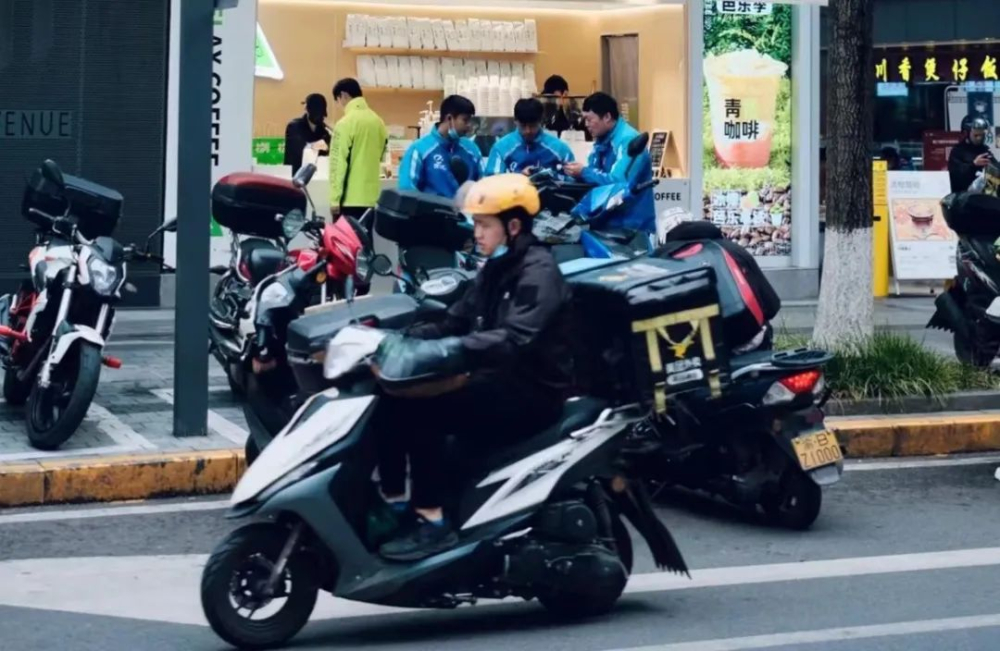
Customers choose independent coffee shops fundamentally seeking an experience that goes beyond standardization. Therefore, regardless of the customer, it is essential to uphold professional standards — from bean variety selection and roast level control to adjusting extraction parameters — each step influences the final flavor profile. Only by consistently delivering stable and distinctive products can customer loyalty be built and repeat purchase rates improved.
For delivery menu design, it is essential to consider how the delivery process affects coffee flavor. It is recommended to prioritize products that are shelf-stable and have stable extraction characteristics — such as espresso-based drinks made with dark roasted blends. At the same time, keep the number of menu items limited to maintain a clear and concise visual presentation. Too many choices can increase decision fatigue and may lead to customer drop-off. The menu’s visual design should prioritize clarity and readability, avoiding excessive decoration that could hinder ordering efficiency.
Converting platform traffic into a private customer base is a key factor for operational success. Although platforms can generate initial exposure, long-term growth still relies on building a brand-owned customer group. In practice, this can be achieved by designing stamp card accumulation mechanisms — when customers collect a certain number, they can redeem a designated drink. Scratch cards can offer random rewards, such as drink vouchers or in-store discounts, serving as incentive programs.
These physical reward cards can be placed inside delivery packages, while also pairing with social media group management to offer exclusive perks and limited-time products outside the platform. Group operations not only enhance customer stickiness but also establish a fast feedback channel to promptly handle service issues. By regularly sharing professional content such as coffee knowledge and brewing tips, customers can gradually develop a professional affinity for the brand, which can then be guided to experience the full service in physical stores.
The above content is compiled by CoffeeHunters, a coffee news website.


