







Introduction:When traditional Buddhist culture meets modern coffee trends, many ancient temples across Asia have quietly transformed into serene spaces filled with the aroma of coffee. From Japan’s Zenkō-ji to China’s Yongfu Temple and Longhua Temple, and even to Korean monks personally roasting green beans and brewing pour over coffee for visitors, this temple coffee trend not only breaks the stereotype that “monks only drink tea” but also showcases a clever fusion of religious spaces with contemporary life. This article delves into the cultural context behind this phenomenon and shares the unique flavors and practical details of temple coffee.
Historically known for their tea ceremonies, sacred mountains and ancient temples have, in recent years, seen monks across Asia develop a strong interest in coffee, with uniquely themed cafés even popping up within temple grounds. Whether it’s Zenkō-ji, a thousand-year-old temple in Nagano Prefecture, Japan, welcoming Starbucks, or Hangzhou’s Yongfu Temple and Shanghai’s Longhua Temple in China offering zen-inspired specialty coffees, or Korean monks personally selecting green beans, operating roasting equipment, and serving hand-brewed coffee to visitors — all these show how coffee is gradually entering traditional religious life, creating a unique cultural blend of old and new.
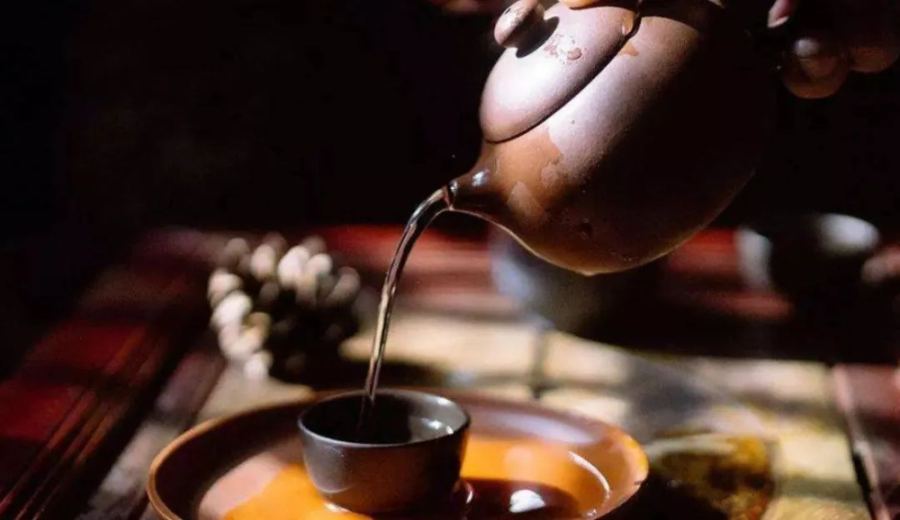
In ancient times, many temples were built atop mountains, not only enjoying tranquil surroundings but also possessing ideal conditions for growing and processing tea. Monks, aside from spiritual practice, often took charge of tea cultivation and refinement. Hence, since ancient times, temples have been important venues for tea tasting and philosophical discussion. The public also grew accustomed to sipping a pot of fine tea during visits, and it became widely believed that monks only associated with tea. But as time progresses, this tradition is quietly changing.
In 2020, Japan’s historic Zenkō-ji in Nagano Prefecture introduced a Starbucks branch within its jurisdiction, drawing inspiration from the temple’s traditional study hall. This cleverly blends modern coffee culture with the historical ambiance of the temple. This two-story lacquered building not only harmonizes with the surrounding temple landscape, but the interior also extensively features hollyhock patterns in decoration, echoing Zenkō-ji’s temple emblem, while retaining original Meiji-era horizontal beams to show respect for history and tradition. Visitors can enjoy coffee while also soaking in rich cultural heritage.
In 2021, China’s 1,600-year-old Yongfu Temple in Hangzhou quietly opened a café at its entrance, tucked away and accessible only after purchasing a ticket to the Lingyin Scenic Area, mainly serving worshippers and tourists. To better align coffee with temple culture, the café’s drink names are deeply zen-inspired — for example, latte is called “Stopping Snow,” Americano is called “Washing Away Troubles,” and coconut latte is named “Zen Beginning,” allowing people to enjoy coffee while also appreciating a touch of Eastern philosophy.
In 2022, Shanghai’s 1,700-year-old Longhua Temple chose to sell “vegetarian coffee” within its vegetarian restaurant rather than setting up a standalone café, presenting it in a more approachable way for the public. Considering that some visitors have concerns about whether milk is considered non-vegetarian, Longhua Temple specifically offers both milk and oat milk options, fully accommodating different dietary needs, including those who are lactose intolerant, showcasing the temple’s thoughtfulness towards modern lifestyle details.
Many might assume that temples selling coffee is just a way to attract younger generations and promote the inheritance of traditional culture. However, in reality, many monks themselves are equally passionate about coffee. Not long ago, on a Korean variety show, guests visiting a monk not only tasted tea brewed by the monk but were also unexpectedly treated to a live pour over coffee session.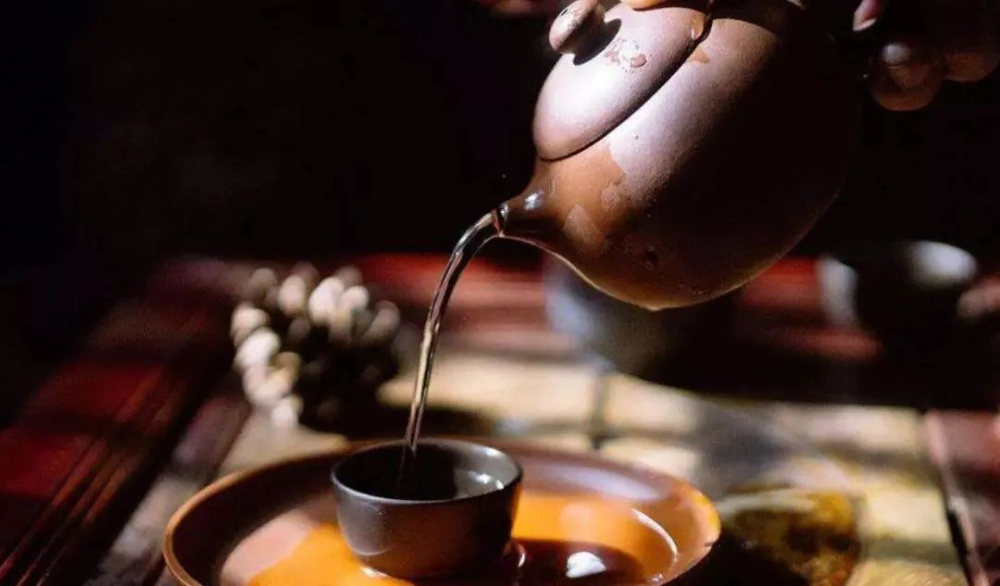
The show host curiously remarked, “I thought monks only drank tea.” The monk laughed and responded, “You seem to be stuck in the past — we monks must also keep up with the times.” He further revealed that the coffee beans used in the temple are all green beans personally procured by the monks, and that the temple has even specially purchased roasting equipment, demonstrating their commitment to coffee quality and an open attitude towards modern lifestyles.
From these examples, it’s clear that whether in temple spaces, monks’ daily lives, or visitors’ experiences, coffee has gradually become an indispensable medium of interaction in modern society. Some may see this as a Western beverage culture encroaching on traditional religious culture, but in reality, this blend reflects the diverse facets of cultural evolution. As one netizen put it: “The past glory of temples was not just due to faith, but also because the monastic community were once leaders of knowledge and culture. Temples today, no matter how long their history, hinge on whether they can continue to be creators and guides of culture.”
Within this temple coffee trend, not only does it showcase a dialogue between tradition and modernity, but it also makes us rethink how religious spaces can continue to exert influence in contemporary society, connecting the dietary cultures and spiritual pursuits of different generations through each cup of coffee filled with zen spirit and artisanal craftsmanship.
The above content is compiled by CoffeeHunters, a coffee news website.


