







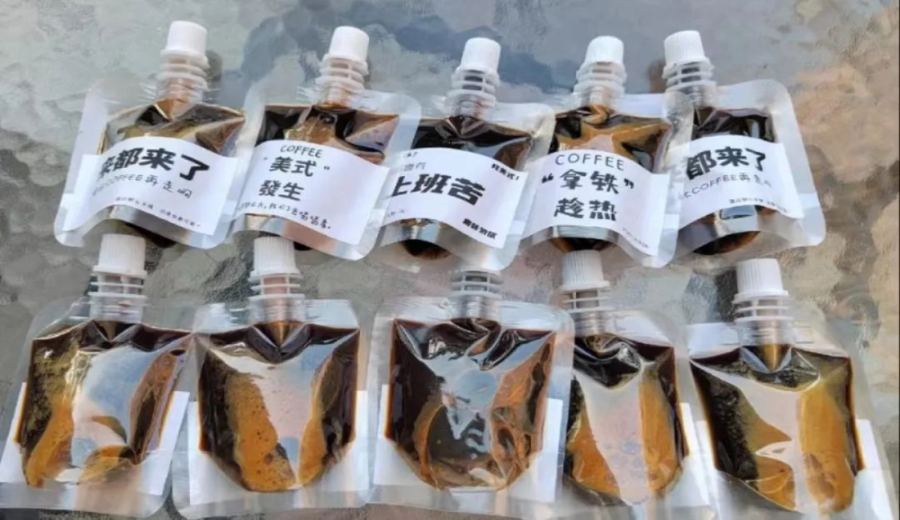
Introduction:In recent years, an increasing number of home-based coffee shops have started offering freshly brewed concentrated coffee extracts with nationwide shipping. These products are packaged in sealed bags with ice packs and delivered via cold-chain logistics, maintaining freshness for 7 to 15 days. Due to their notably richer aroma and layered crema compared to commercial instant coffee products, they have garnered significant attention. However, this has also raised questions about the definition of “freshly brewed,” food safety, and regulatory compliance. This article will delve into the operational model, actual risks, and key considerations for consumers regarding this emerging business trend.
As coffee culture becomes more widespread, more consumers—whether at home or in small cafes—are seeking higher-quality brewing experiences. Among them, some home-based coffee shops and independent stores have introduced an innovative service: nationwide delivery of freshly ground and brewed concentrated coffee extracts. These extracts are typically sealed in pouches along with ice packs and shipped to customers through national cold-chain delivery systems. According to common industry practices, such coffee liquids can be stored in refrigerated conditions for around 7 days, and when frozen, their shelf life can extend to approximately half a month.
Unlike mass-produced instant coffee from large commercial brands, these freshly brewed concentrated coffee extracts emphasize being ground and brewed on the same day or very recently, preserving more of the original flavors and delicate crema. As a result, many consumers report that their aroma and flavor complexity far surpass those of commercially available instant coffee, especially when used in cold beverages or premium pour-over applications.
On social platforms like Xiaohongshu, numerous independent coffee shops now list such “nationally shippable” freshly brewed coffee extract products. In addition to the common pouch format, some vendors offer upgraded canned versions for easier storage and transport. Nevertheless, although this innovative business model has sparked widespread discussion in the market, it has also been met with considerable skepticism.
Many netizens have raised practical concerns while discussing this new service: “Can it still be called freshly brewed after several days of long-distance shipping?” In reality, the term “freshly brewed” generally refers to coffee that is made and consumed immediately. The “freshness” of products that undergo shipping processes deviates from the conventional understanding. Additionally, since most providers of such services are home-based or small-scale workshops, questions have also arisen regarding whether their production environments and quality control processes comply with food safety regulations.
Industry insiders point out that such products may fall into a legal gray area as “three-no products” (no production date, no quality certification, no manufacturer information). If relevant details are not clearly labeled, they may violate applicable laws and regulations. Moreover, because these products are short-shelf-life cold-chain goods that require stringent storage and transport conditions, any delays or temperature control failures during delivery could affect their final flavor and safety.
From the consumer’s perspective, while these coffee extracts might initially bring a sense of novelty upon unboxing, users who do not live in first- or second-tier cities with already abundant coffee options may find their actual experience falls short of expectations. Especially when the product takes several days to arrive—even with intact cold-chain logistics—the time lag could still lead to flavor degradation, compromising the overall drinking experience.
Furthermore, this category of short-shelf-life, cold-chain-delivered coffee products has yet to establish a stable supply chain or consumer habits in the market, making it susceptible to imitation and replication, which can result in inconsistent quality across the board. Some industry players are concerned that without strict quality control, certain businesses might cut costs by using lower-grade coffee beans, ultimately damaging the overall market image and consumer trust.
In terms of marketing and promotion, merchants also face challenges. How to clearly indicate the production date, storage conditions, and quality guarantees on packaging and in descriptions—while staying compliant with regional regulations—is a critical aspect of promoting such products. Additionally, when making purchases, consumers should pay attention to whether the product provides clear storage recommendations, production information, and quality labels to protect their own interests.
In summary, the nationally shippable freshly brewed concentrated coffee extracts offered by home coffee shops do bring a fresh stimulus to the market with their unique flavor profiles and convenience. However, consumers should rationally assess the actual conditions and potential risks involved, and prioritize vendors that maintain transparent information and have established positive reputations, in order to truly enjoy a high-quality coffee experience.
The above content is compiled by CoffeeHunters, a coffee news website.


