







Introduction:In recent years, brands that seem unrelated to coffee — from post offices to Li-Ning, and even Brain White Gold — have entered the coffee market, creating a wave of cross-industry trends. These brands are not focused on coffee as their core business but are instead eyeing its potential to attract younger consumers. This article will analyze the actual motives behind these cross-industry cases, explore their marketing strategies, and discuss the challenges they may face in market competition and differing consumption scenarios.
In recent years, diversifying into coffee has become a popular move for many major brands. From China Post, Li-Ning, and Xtep to Brain White Gold and Huawei, these brands originally had no connection to coffee but have all jumped into this field, sparking a “everything can be coffee” craze. They don’t necessarily aim to deeply develop the coffee industry but rather hope to leverage the youthful and fashionable image that coffee represents to enhance their brand image and bring them closer to consumers.
However, as the initial hype gradually fades, can brands without a foundation in coffee operations really stand firm in such a competitive market? The coffee market is not only highly competitive, but its consumer base also often significantly differs from the existing customer groups of these brands, adding a lot of uncertainty to cross-industry ventures. Through analyzing representative cross-industry cases, this article breaks down the commercial logic behind them and discusses the potential bottlenecks and risks this model may face in the future.
Cross-industry coffee ventures are nothing new. Not only the food and beverage industry, but also since 2022, well-known brands including China Post, Li-Ning, Xtep, Brain White Gold, and Huawei have joined the fray, presenting a bustling scene of “cross-industry equals coffee.”
These cross-industry coffee ventures vary in style, but they share one common trait: using coffee as a vehicle to attract younger demographics. In fact, coffee has always been a favored investment in the capital market, with more and more large enterprises choosing to enter the business themselves. For example, in February 2022, the first post office coffee shop opened in Xiamen and later expanded to multiple first- and second-tier cities, now having around 12 physical stores. The brand’s co-founder and CMO, Dong Kexin, has even proposed a “100-store plan” with the goal of building a new generation of “national coffee brand.”
Another impressive example is Tong Ren Tang’s “Zhimama Health” launched in 2019, which centers on the concept of “punk wellness,” combining herbal elements to create innovative coffee products that successfully attracted many young consumers eager to try something new.
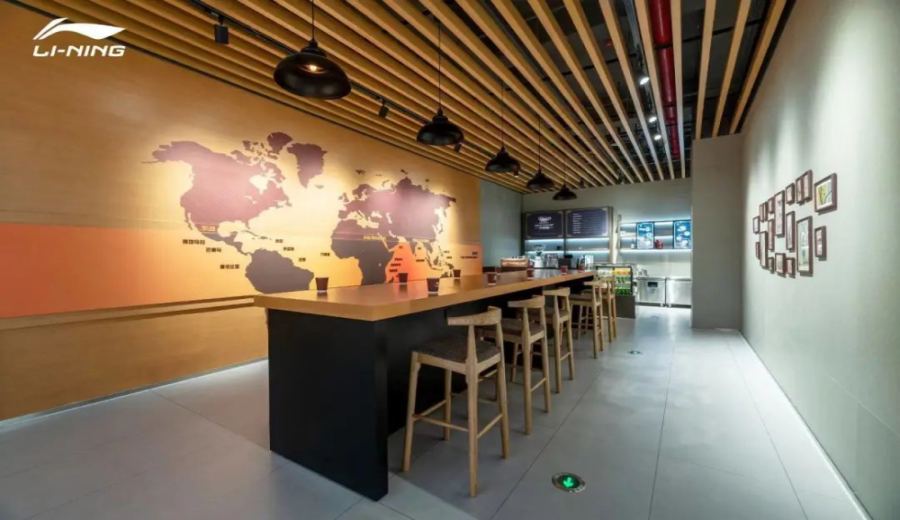
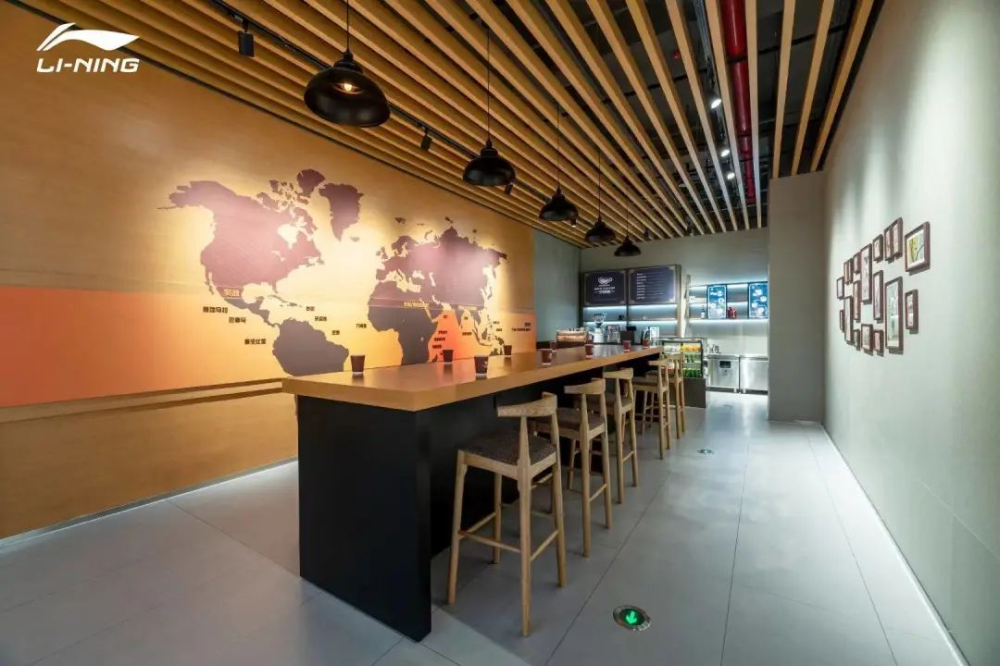
Beyond traditional brands, sportswear companies such as Li-Ning introduced “NING COFFEE,” Xtep established “XTEP COFFEE,” and even food brands like Go Believe Dumplings and Too Too Spicy Fish have launched branded co-branded coffees. Additionally, there are educational tech company Yuanfudao-backed “Grid Coffee,” e-cigarette brand RELX’s “Xingke ON,” and even Brain White Gold targeting the silver-haired market, all trying to attract emerging consumer groups through coffee.
These brands come from entirely different industries, yet they’ve all converged in the coffee arena, prompting the question: Is coffee really that appealing? The answer lies in the marketing value it carries. For these cross-industry brands, “selling coffee” is merely a means, not the ultimate goal.
Through coffee — a product imbued with strong associations of youth and trendiness — brands can quickly gain market exposure and shape a more approachable and fashionable image. For instance, before Li-Ning’s “NING COFFEE” officially went fully operational, social media platforms were already flooded with “check-in guides” shared by consumers: spend 499 yuan in-store and get a free “NING COFFEE.” Although this sparked discussions, it successfully captured the attention of younger audiences and, leveraging the premium-light attribute of coffee, elevated the overall brand tone.
So why are these major brands so fond of coffee? According to the “China Coffee New Wave – 2022 China Coffee Industry Development Report,” China’s coffee consumption trend has gradually shifted from early “novelty chasing” to “daily pick-me-up needs.” Many young people have developed the habit of drinking coffee regularly, making it increasingly a daily necessity.
As coffee products become more common, not only are ready-to-drink beverages popular, but related merchandise such as coffee beans, grinders, and filter cups have also driven overall market growth. Major brands see the continuously expanding coffee market — where competition is relatively concentrated among professional chain brands — and believe that entering through cross-industry collaborations allows lower barriers to entry. Coupled with social media exposure and influencer check-in effects, it helps deepen connections with younger consumers. Creative products like “pickled vegetable lattes” may not necessarily become long-term bestsellers, but they are highly likely to spark discussion and sharing, achieving promotional effects.
However, once the hype dies down, whether these cross-industry brands can maintain long-term appeal remains a big question mark. In the coffee market, chain brands are fiercely competitive, each continuously refining product development, roasting techniques, and brewing methods — from pour over parameters, extraction time, to flavor wheel descriptions — all with strict standards. If cross-industry brands rely solely on short-lived topics without making breakthroughs in product quality and consumer experience, it will be difficult to truly retain customers.
Additionally, the original consumption scenarios of most cross-industry brands differ significantly from the demand context of coffee consumption. For example, consumers go to Li-Ning stores to buy sportswear, while they visit coffee shops to relax or socialize — the purposes are entirely different. If getting a free cup of coffee requires spending 499 yuan, it may not hold much practical appeal for most customers.
In summary, although the coffee market holds huge potential and room for growth, cross-industry ventures driven merely by trend-chasing, lacking long-term business strategies and product distinctiveness, will not only struggle to stand out in the market but may also damage their existing brand image. For brands considering entering the coffee space through cross-industry routes, carefully evaluating market positioning, consumer needs, and their own resources is the key to sustainable success.
The above content is compiled by CoffeeHunters, a coffee news website.


