







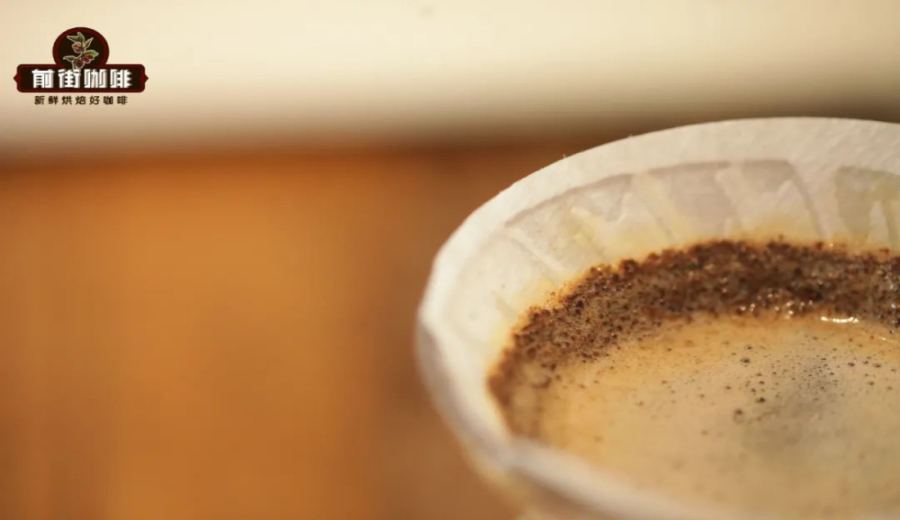
Introduction:Observing the shape of the coffee puck after pouring is a key clue in determining whether extraction has been even. One common phenomenon — the “layer break” or “discontinuity” — where a clear boundary appears between the coffee walls and the bottom bed, often indicates issues with your technique. This article delves into the two most frequent causes behind such layer breaks: overly conservative use of a fine stream and careless circular pouring for top-up water. We’ll explain how these practices affect the contact efficiency of coffee grounds, helping you read the visual cues from the puck to better understand extraction logic and adjust your technique to improve flavor balance.
After each pour-over session, many coffee enthusiasts habitually inspect the state of the coffee puck in the filter. A well-formed puck with intact coffee walls and an even thickness usually signals a relatively stable brewing process. However, when the shape appears abnormal, it often prompts one to reflect: was there an issue during the pouring phase? Among these irregularities, the “layer break” is a fairly common anomaly — a distinct line separating the coffee bed from the shorter surrounding coffee walls.
This layer break phenomenon is usually closely linked to two extreme brewing techniques: the first is the “conservative” approach, where a small stream is used throughout and the pouring area is carefully controlled. These brewers tend to focus the water flow in the center of the filter, avoiding spreading the stream. The second is the more “laid-back” brewer who pours in random circles and only tops up the water volume at the end, exercising looser control over parameters. By analyzing the differences in puck breaks caused by these two methods, we can gain a clearer understanding of the subtle relationship between puck morphology and coffee flavor.
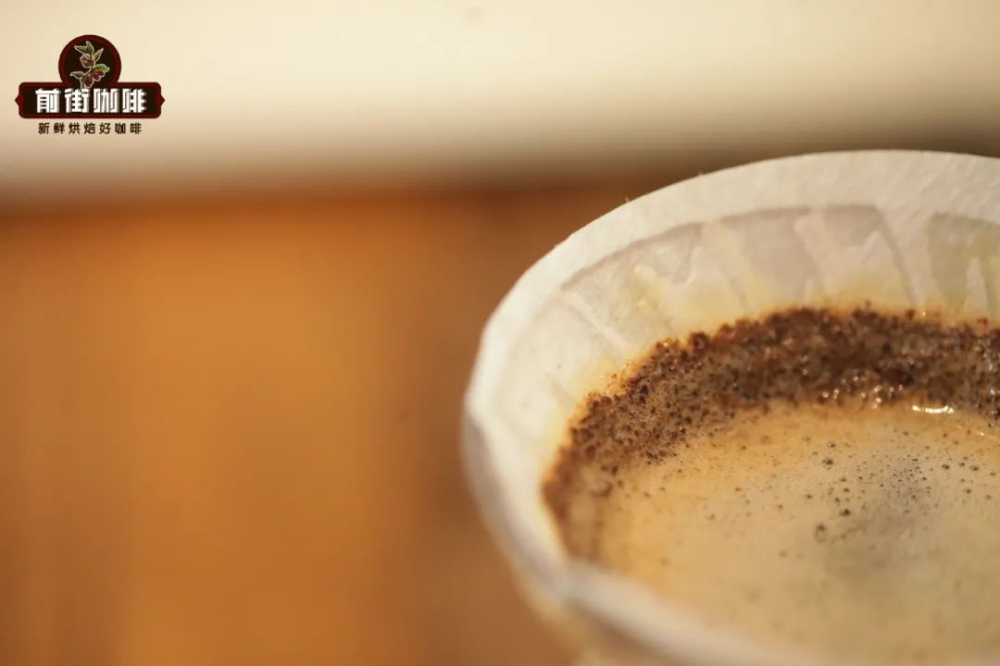
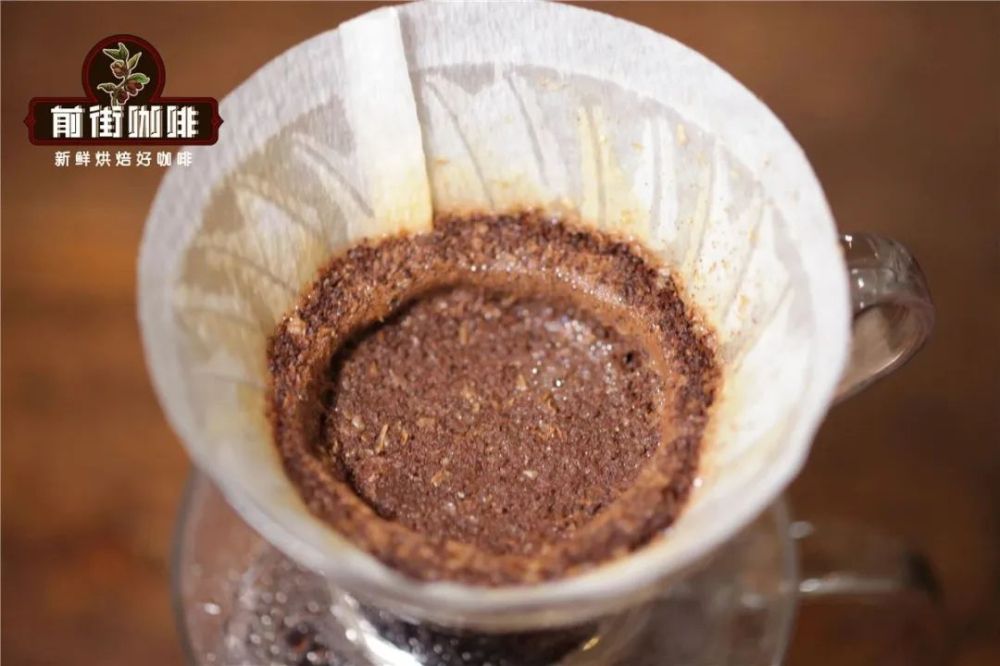
When you finish a pour-over and notice that the coffee walls in the puck do not evenly encircle the bed, but rather most of the coffee grounds are piled at the bottom, with a clear separation between the bottom bed and the surrounding short walls once the liquid has drained — this is a classic case of a layer break. This situation often occurs with brewers who are overly cautious — out of fear of making mistakes, they use an extremely fine stream throughout the entire process and limit the pouring area to a small circle in the center of the filter until the target water volume is reached.
However, what seems like a “safe” method may actually lead to uneven extraction: the coffee grounds in the center of the filter, constantly agitated by the straight stream, tumble more vigorously, increasing both the contact time and surface area with water, resulting in a higher extraction rate in that zone. In contrast, the coffee grounds on the outer edges, having rarely been in direct contact with the water flow, tend to cling to the edge of the filter paper, gradually forming a thick coffee wall, and thus have a lower extraction rate. The result is a cup of coffee with imbalanced flavors — bitterness and over-extraction from the center paired with thinness and under-extraction from the periphery.
Another common scenario leading to layer breaks stems from the completely opposite brewing style. These brewers typically don’t adhere strictly to precise parameter control, pouring in circles purely by intuition and stopping when they feel it’s “about right.” It’s only when they check the scale that they realize the water volume is still below the target, prompting them to quickly add a final concentrated pour in the center of the filter.

This “pour freely then fix” approach also leads to puck layer breaks: although the initial circular pouring gives the surface of the coffee grounds an even appearance of wetness, in reality, the contact time and intensity between the center and the periphery are inconsistent. The later concentrated pour further intensifies the extraction burden on the central zone, causing the center of the coffee bed to sink and creating a noticeable drop-off compared to the surrounding walls. To improve this, it’s recommended to maintain a stable flow rate and coverage from the beginning of pouring, and to avoid making last-minute water additions.
Observing the specific manifestations of a puck layer break can actually provide many practical clues for adjustments. For example, if the boundary of the break is very distinct and the bottom bed is noticeably sunken, it usually means over-extraction in the center. If the coffee walls exist but vary in thickness, it might be due to unstable water distribution during circular pouring. By recording the details of each brew (such as stream size, pouring height, and circle speed), and comparing changes in puck morphology, you can gradually develop your own “visual extraction diagnostic system.”
The above content is compiled by CoffeeHunters, a coffee news website.


