







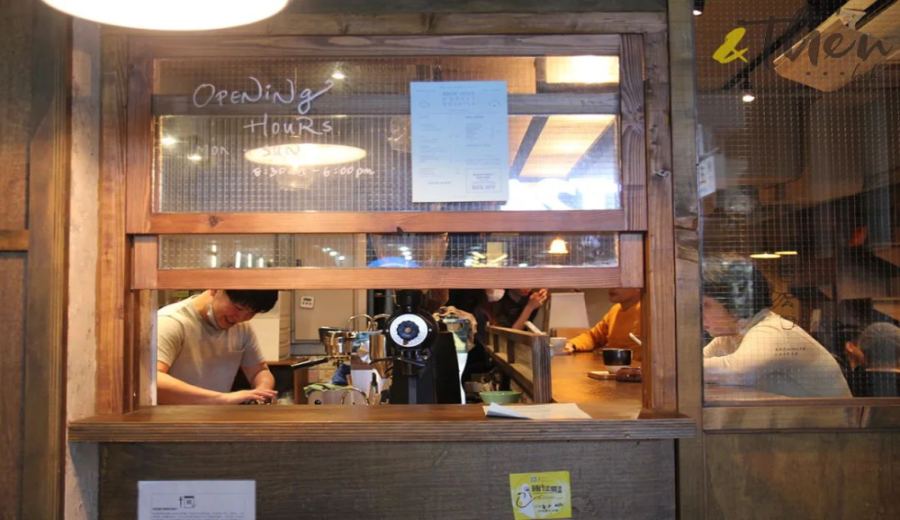
Introduction:Opening a coffee shop is the dream of many coffee enthusiasts, but running it successfully is no easy feat. This article delves into the eight core issues that lead to coffee shop closures, including poor location selection, inadequate financial planning, and misaligned product positioning, helping aspiring entrepreneurs avoid pitfalls and master key operational insights in advance.
As coffee consumption trends continue to rise year by year, many people harbor the ideal of opening a coffee shop. However, cases of truly stable and successful operations in the market are few and far between. When faced with operational difficulties, many tend to attribute the reasons to external factors, such as bad timing or an unsuitable location. But in reality, more problems stem from a lack of understanding of the fundamentals of running a business—rushing in with nothing but enthusiasm and limited capital.
This article will explore in detail the eight common critical failure factors in coffee shop operations, ranging from vague initial positioning, hasty location choices, and poor partner selection, to excessive equipment investment, insufficient funds, product strategies that deviate from public demand, irregular business hours, and weak service awareness. It aims to provide practical references and warnings for aspiring entrepreneurs looking to enter the coffee industry.
"Lack of Clear Positioning Before Opening"
Before stepping into the coffee business, the foremost task is to clarify your positioning: Do you want to create an Instagram-worthy hotspot, a neighborhood community coffee shop, or a specialty coffee boutique focused on high-quality beans and professional brewing techniques? A clear target customer base is the foundation for deciding your product direction and store style.
The specialty coffee route emphasizes bean sourcing, roasting skills, and the barista’s expertise; a community shop needs to ensure consistent drink flavors, reasonable pricing, and approachable service to build closeness with customers; as for an Instagrammable café, its core lies in unique spatial design and highly recognizable façades, along with a convenient location.
If you’re unclear about your original intention and goals for opening the shop, it will be difficult not only to design an appealing menu but also to find a suitable store location.
"Rushing to Open with Casual Location Selection"
Location is one of the key factors that determine the success or failure of a coffee shop, yet it is often overlooked. Some entrepreneurs, due to unsuccessful negotiations or unclear positioning while searching for the right space, experience delays and, in the end, out of impatience, hastily choose a seemingly decent storefront on a busy street without even conducting a basic assessment of foot traffic and local consumer habits—then sign the lease rashly.
Regardless of what type of coffee shop you plan to run, conducting preliminary market research and commercial area analysis is an indispensable step. If current conditions do not allow you to find the ideal location, it is better to postpone the opening plan than to plant the seeds of failure out of eagerness.
"Choosing Unreliable Partners"
Running a business in partnership not only requires aligned philosophies but also a shared understanding and mental preparation for reality. Disparities in capital contribution ratios and uneven responsibility sharing are often the root of disputes. Even if the two parties are close friends or family, it's essential to clearly define "rights, responsibilities, and benefits" before partnering, and to establish a detailed agreement covering leadership authority, task division, equity distribution, and profit-sharing ratios—to reduce potential friction down the line.
"Excessively Large Equipment Investment"
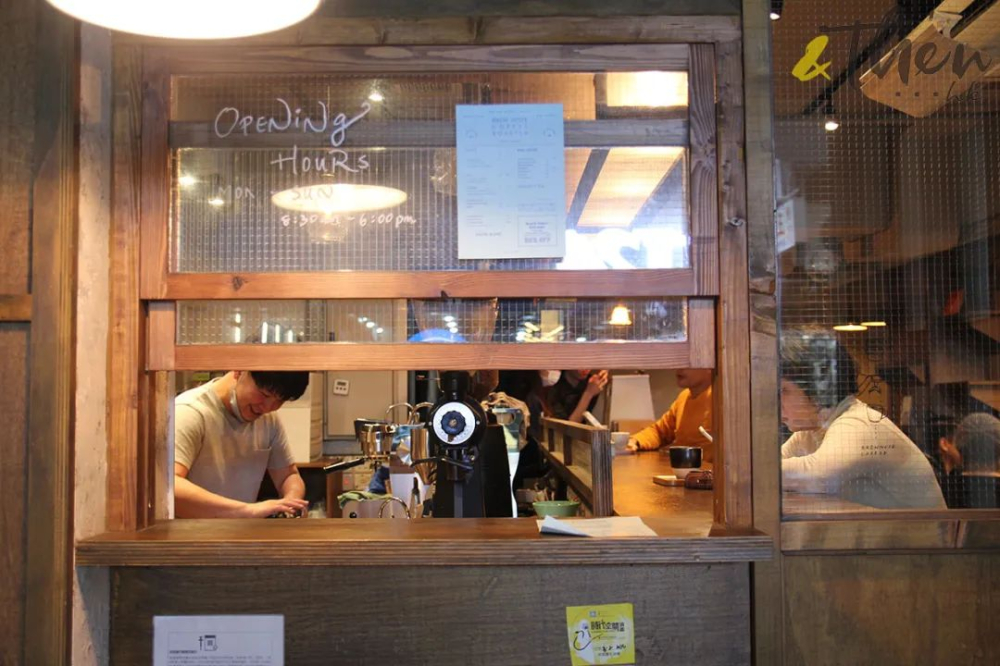
Many beginners mistakenly believe they must equip their shops with high-end machines like EK or La Marzocco to produce quality coffee. In reality, the key to a great cup lies in bean quality and the barista’s skill—the equipment just needs to meet the required specifications. Over-pursuing premium machines not only increases the initial investment burden but may also delay the break-even period. The price of a high-end coffee machine could cover the entire store’s interior decoration. If a cup of coffee sells for only 25 to 30 yuan, you’d need to sell a huge number of cups just to offset the equipment cost, placing a heavy strain on early-stage operations.
"Insufficient Operational Capital"
One of the main reasons many coffee shops fail is improper financial planning. Entrepreneurs often pour all their savings into the initial expenses—rent, renovation, equipment purchases, marketing, and raw material stock—but neglect the ongoing monthly fixed costs required for operations, including rent, staff salaries (or personal time costs), and ingredient replenishment. If post-opening revenue fails to meet expectations promptly, it’s easy to fall into a cycle of spending more than you earn. Therefore, it is advisable to fully assess the breakeven point before opening and set aside sufficient buffer funds. If necessary, business strategies should be flexibly adjusted or losses cut decisively.
"Over-Pursuing Product Uniqueness While Ignoring Public Demand"
Some coffee shops overly emphasize product differentiation, focusing on niche specialty coffees or exclusive signature drinks, yet overlook the majority of customers’ demand for basic beverages. While unique offerings can attract short-term attention, without stable and popular regular options, it is hard to cultivate customer loyalty and repeat purchase rates. Specialty coffee encompasses every step from green bean selection to final brewing—it requires professional knowledge and skills to showcase its unique flavors. Entrepreneurs should balance innovation with the basic needs of the mass market, ensuring product taste stability and reasonable value-for-money, in order to build a long-term, stable customer base.
"No Fixed Business Hours"
Many shop owners adopt an attitude of "I’m the boss, I’ll open when I want," but overlook how the stability of business hours affects customer service. If customers can’t predict when they can enjoy your service, both their willingness to return and your ability to build a good reputation suffer. Stable business hours are a basic promise to maintain customer trust and convenience—and a crucial element of a coffee shop’s professional image.
"Too Personalized, Lacking Service Awareness"
Service doesn’t mean being submissive—it’s about interaction based on respect and understanding. Regardless of personality, providing warm, professional, and customer-valued service is key to maintaining shop operations. Good service not only boosts customer satisfaction but is also a major factor in building brand loyalty. Success in any industry hinges on keen insight into customer needs and thoughtful responsiveness.
The above content is compiled by CoffeeHunters, a coffee news website.


