







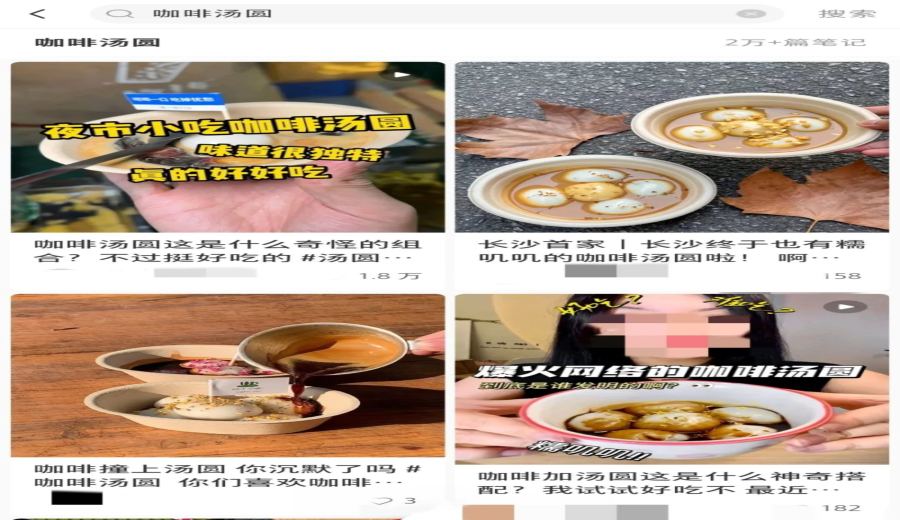
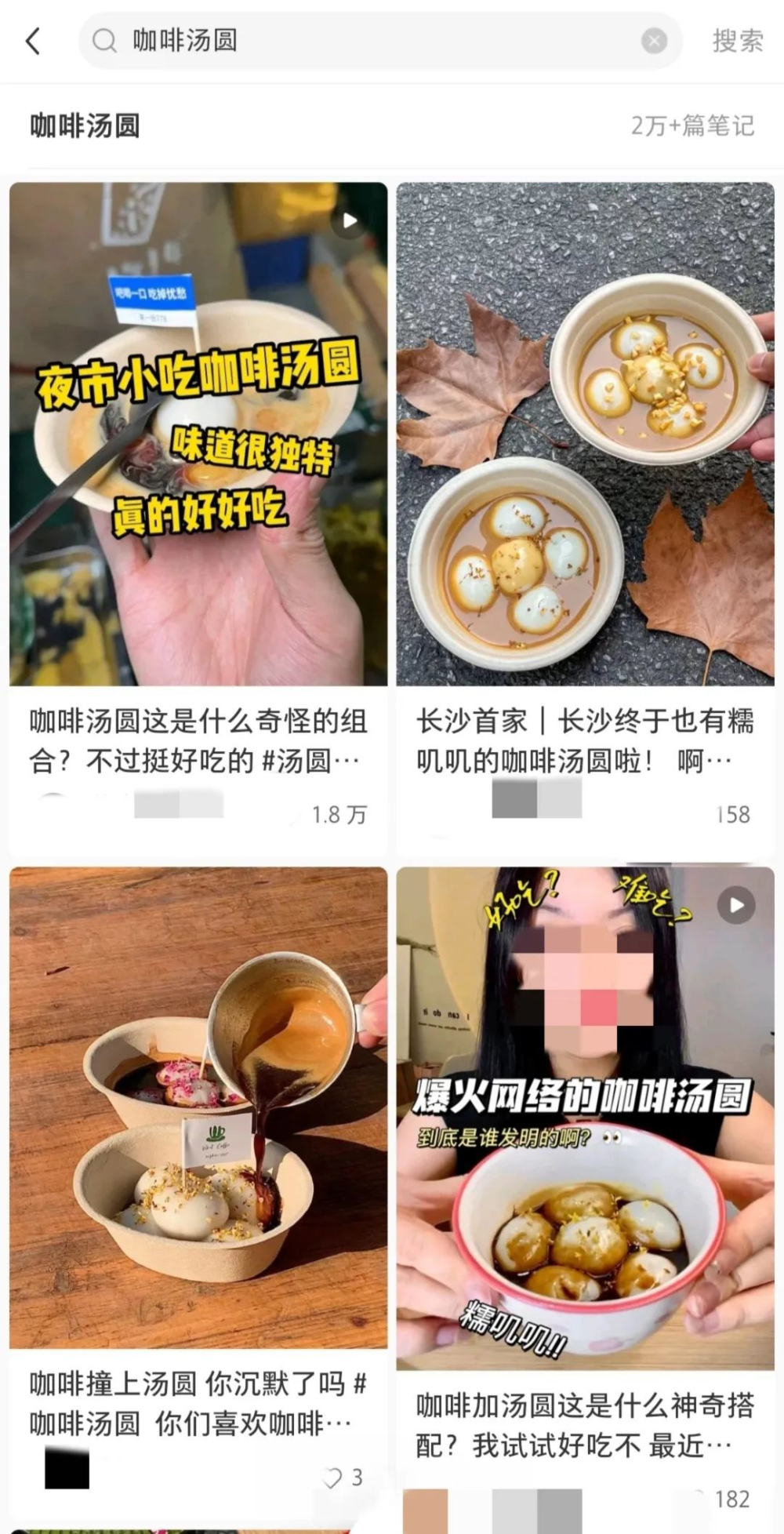
Introduction:When espresso meets traditional tangyuan (glutinous rice balls), this viral "coffee tangyuan" has sparked heated discussions on social media, with over 20,000 check-in posts witnessing its meteoric rise and controversy. This article delves into the creative fusion of coffee and Chinese snacks, exploring everything from practical execution to flavor layers, uncovering the innovative boundaries of specialty drinks, and offering practical pairing suggestions to help cafés and enthusiasts master the secrets of success.
The creativity of coffee enthusiasts knows no bounds, and this time, traditional snacks like tangyuan take center stage as the experiment subjects. When Western espresso meets Chinese tangyuan, a novel combination dubbed "coffee tangyuan" goes viral on social media, with related check-in posts on Xiaohongshu surpassing 20,000. This seemingly odd pairing has been praised by some as the "Chinese affogato," while others find it hard to accept. In fact, cross-border combinations of coffee with Chinese elements like tofu pudding and green bean popsicles have existed for a while, but striking the right balance between innovation and market acceptance remains a key challenge for cafés developing specialty drinks.
The making of this viral coffee tangyuan is surprisingly simple: just cook frozen tangyuan and drizzle freshly brewed espresso over them. Experienced tasters recommend rinsing the tangyuan in ice water to enhance their chewy texture, or even sprinkling osmanthus or rose petals to add aromatic layers. The crema of the espresso blends with the tangyuan filling (such as sesame ganache), creating a unique sweet-and-bitter flavor profile. The sweetness and softness of the tangyuan can balance the bitterness of the coffee, but the success of this pairing largely depends on personal taste preferences.
Online feedback is sharply divided: supporters say the "sweetness of the tangyuan perfectly balances the intensity of the coffee," even hailing it as the "most perfect CP combo," while detractors describe it as a "weird mix of East and West" that’s "hard to swallow." This disparity highlights the core challenge of developing specialty drinks—how to create novelty without violating fundamental flavor logic. Notably, it’s recommended to choose tangyuan with rich fillings like sesame or peanuts, which harmonize better with the bitterness of coffee.
Such cross-border combinations aren’t new—experiments with coffee and Chinese ingredients like tofu pudding, green bean popsicles, and black sesame paste have already emerged. The common thread is directly combining liquid coffee with solid traditional snacks, rather than simple meal pairings. Practical tips: avoid excessively high coffee temperatures (recommended 60–70°C) to prevent affecting the texture of the tangyuan skin; if using iced coffee, pair it with hot tangyuan for a temperature contrast. Professionals suggest beginners start with small portions to observe how the flavors meld.
When developing specialty drinks, cafés should follow three key principles: first, ensure foundational flavor harmony (e.g., balancing bitterness and sweetness); second, consider cultural acceptance (pairing Chinese elements requires extra caution); and third, prioritize visual appeal (e.g., contrasting the color of tangyuan with the coffee). Common pitfalls include overly complex combinations (like mixing three or more disparate ingredients), ignoring textural clashes (e.g., smooth coffee with crispy snacks), and flavor masking (where strong seasonings overpower the coffee’s essence).
For consumers eager to try, start with simple pairings: for example, iced Americano with steamed tangyuan, or latte with sesame tangyuan. Key parameters include coffee strength (medium-to-dark roasts enhance sweetness), tangyuan size (standard sizes are easier to eat), and seasoning control (avoid excessive syrup overpowering the main flavors). Remember, a successful specialty drink should let the two elements complement each other, not clash.
This coffee tangyuan trend reflects modern consumers’ openness to innovative drinks but also reminds businesses: true innovation must be grounded in flavor logic. Reviewing the 20,000+ check-in posts reveals that consistently popular specialty drinks often feature the quality of "surprise within familiarity"—creating new experiences through subtle adjustments within predictable flavor frameworks. Whether cafés are developing new products or coffee lovers experimenting at home, understanding this balance is key.
The above content is compiled by CoffeeHunters, a coffee news website.


